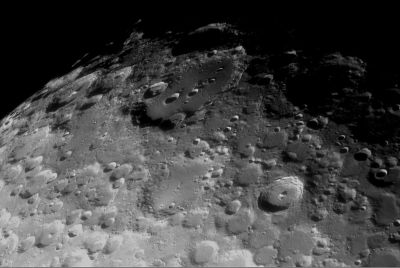
Artemis II Conspiracy Theory Explained: Moon Mission Hit by 'Fake' Hoax Claims Over Viral Video Glitch
As Artemis II orbits the moon, a few shaky seconds of video on Earth reveal how fragile public trust in reality can be.

Artemis II, NASA's first crewed mission around the moon in more than 50 years, has been pulled into a familiar online debate after a viral clip of a televised interview circulated on social media. Conspiracy theorists seized on a supposed 'green screen glitch' in the footage to claim the mission is fake.
The mission follows NASA's uncrewed Artemis I test flight and aims to send four astronauts around the moon before a planned crewed lunar landing later in the decade. The current crew, travelling in the Orion capsule, recently passed behind the far side of the moon, entering a 40‑minute communications blackout during which no signal reaches Earth. When Orion re‑emerged, astronaut Christina Koch's first words to mission control were broadcast worldwide: 'Houston, Integrity, comm check. It is so great to hear from Earth again.'
A separate broadcast, however, has drawn attention from sceptics. A clip on X and other platforms shows the crew being interviewed on television. A small blue‑and‑white ball floats in front of one astronaut as a simple visual aid to demonstrate weightlessness. As the ball spins, blocky white letters appear to 'stick' to some of the blue sections, fuelling claims of a green screen effect.
That minor visual oddity was enough to spark a familiar chorus online. One user dismissed the scene outright, writing 'duh... even my dog knows it's fake...' Another added 'Fake as hell they really thought they can continue fooling people with all this current Technology that debunks everything in realtime...' The suggestion is clear: the interview is allegedly staged on a soundstage using chroma key effects, and the on‑screen text is said to have 'glitched' onto a digital prop.
Since NASA announced Artemis II would return humans to deep space, echoes of Apollo conspiracy theories have never been far behind. Half a century after Apollo 11, a small but vocal group remains convinced human spaceflight beyond low‑Earth orbit is an elaborate hoax. The video of the floating ball fitted neatly into that worldview.

Artemis II Video Under the Microscope
The viral clip shows the toy ball drifting in front of a crewmember while lower‑third graphics and network branding run along the bottom of the screen. At one point, blocky characters appear briefly on the ball's surface, seemingly aligned with the blue segments rather than the white. Sceptical accounts replayed, froze, and zoomed in on those frames, presenting them as evidence of a faulty 'blue screen' effect.
On X, a user named Max DeLargo posted what he said was the original CNN interview, showing no mysterious characters on the ball. 'A viral video of an Artemis 2 interview has been doing the rounds on X showing an apparent "blue screen" chromakey text glitch. However it is NOT present in the original,' he wrote, suggesting the controversial version had been altered after broadcast.
That distinction matters because the more plausible explanation offered by sceptics is not that NASA faked the mission but that social media users filmed a television screen and edited the footage. Several commenters suggested the clip was shot off‑screen, then manipulated to add or exaggerate the supposed overlay before being shared stripped of context and network branding.

Green Screen Claims Around Artemis II
The term 'green screen glitch' refers to a real technique used widely in television and film. Broadcasters often use chroma key to remove a specific shade of green or blue from an image and replace it with a different background. Software from companies including Adobe is designed to make this process straightforward. In a studio, presenters can appear to stand in front of graphics, maps, or virtual sets while actually performing in front of a blank wall.
Conspiracy‑minded accounts claim that during the Artemis II interview, the astronauts were not in space but in a studio, and that the zero‑gravity demonstration ball was a digital effect. In this view, the odd lettering on the toy is said to be a glitch in the compositing software that accidentally mapped on‑screen text to the same colour range as the ball.
There is no such glitch visible in the broadcast version cited by DeLargo. Without that original feed showing the artefact, the hoax narrative appears less credible. At present, nothing has been independently verified about who edited the viral clip or why, so all such claims should be treated with caution.

NASA has not publicly addressed the specific 'fake Artemis II' video, but its operations teams have focused on the part of the mission that truly matters. While the online debate plays out frame by frame, Orion's computers have been carrying out the critical task of returning its human crew safely. During the recent blackout behind the moon, the capsule flew autonomously, its engines firing at the precisely pre‑planned moment to place the spacecraft on a trajectory back to Earth, beyond the reach of human intervention.
Flight controllers could only confirm the success of that crucial burn once telemetry resumed after line of sight was restored. Seconds later, Koch's voice cut through the static, prompting relief in the control room. Families in the viewing gallery, who had spent the 40‑minute silence paging through briefing notes to avoid watching the clock, then knew the mission was still communicating.
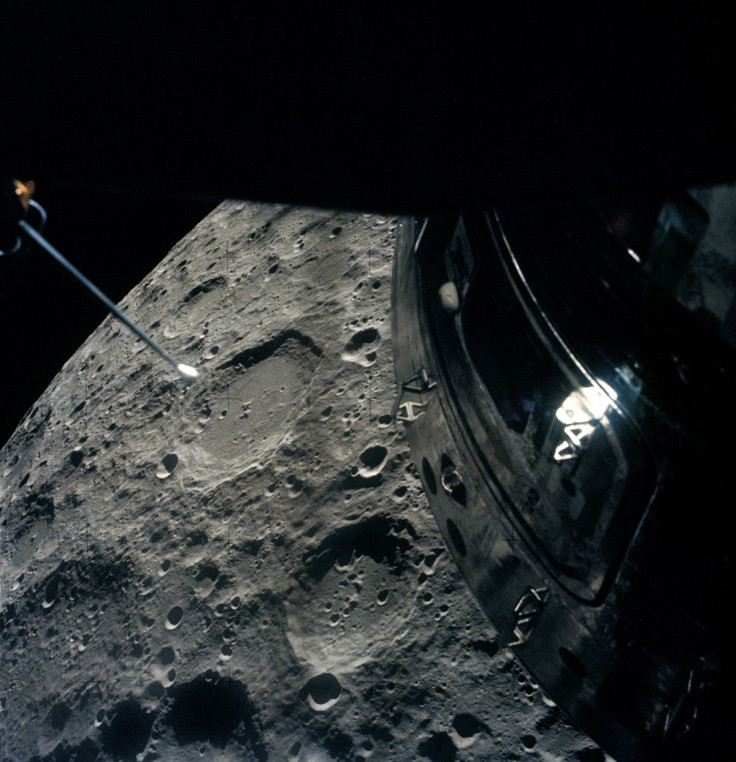
For NASA's engineers, the real drama lies in whether Artemis II can complete its loop around the moon and return its crew safely to Earth. The intrigue of a jagged clip circulating on social media feels far removed from that reality, even if it continues to attract attention on the ground.
© Copyright IBTimes 2026. All rights reserved.
- Recommended For You