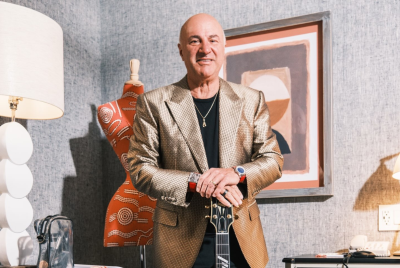
Robert Kiyosaki Says Gold Just 'Made the Turn': Buys More as He Backs $35,000 Forecast
Kiyosaki now backs his $35,000 gold call, but his timing has been off for years—chasing falling prices can be costly

Robert Kiyosaki says gold has finally turned and he is buying more, backing a call for $35,000 an ounce. The catch: the man telling people to buy now has been wrong on the timing for years, and chasing a falling price is how most savers lose money.
He had spent the previous week refusing to touch the metal while it slid, telling his followers he wanted the charts to confirm a bottom first. Now he says they have.
For anyone in Britain watching their savings lose ground to prices, the pull is obvious. The question is what following him actually costs.
What 'Buying The Dip' Costs a UK Saver Right Now
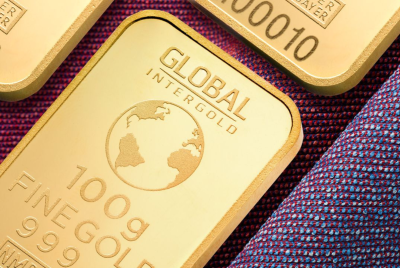
Gold closed at around $4,040 an ounce on 25 June 2026, up roughly 1% on the day after a brutal run lower, according to exchange data tracked by Trading Economics. At a sterling rate of about $1.32 to the pound that same day, per Bank of England reference data, that puts a single ounce close to £3,070.
A one-ounce Royal Mint Gold Britannia, therefore, retails at roughly £3,150 to £3,250, the gap above spot reflecting fabrication and dealer margin. That is still real money. It is a meaningful chunk of the £20,000 annual ISA allowance, spent on an asset that has already fallen more than a quarter from its January record.
GOLD just made the turn.
— Robert Kiyosaki (@theRealKiyosaki) June 25, 2026
I think and I have been wrong, the price of gold and silver are about to rise for a long time.
Jim Rickards predicts $35,000 gold in near future.
As I stated in my previous X the last big bull run began in 2000 and I bought gold at $300.
In 2026 the…
Here is the catch Kiyosaki rarely mentions. Gold hit roughly $5,602 an ounce early this year before the slide, per market data cited around the Iran conflict. Buy near that top, and the loss was about 28% within months.
Why Your Cash Is Not the Safe Option Either
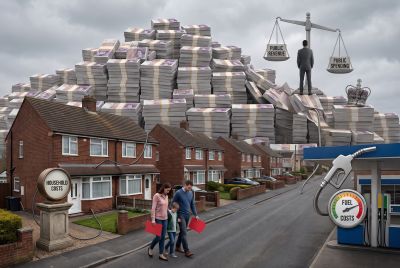
The uncomfortable part is that doing nothing has a cost, too. UK inflation reaccelerated after the Iran conflict pushed energy prices up, and the Bank of England held its base rate at 3.75% rather than delivering the cuts markets had expected in January.
Cash has delivered a real return of about minus 1% a year since 2000, once inflation is stripped out, according to long-run analysis of UK returns referenced by financial planners. Money sitting in the bank is quietly shrinking. That is the genuine insight buried inside Kiyosaki's noise, even if his price target looks like fantasy.
The Tax Quirk That Actually Matters
For a British buyer who does want gold, the structure beats the forecast. Gold Sovereigns and Britannias are UK legal tender, so they are exempt from Capital Gains Tax under current HMRC rules, and from VAT. A gold ETF, such as a physical-gold tracker, can sit inside an ISA or SIPP instead.
So the decision is less about whether gold hits $35,000 and more about how it is held.
A Forecaster With a Mixed Record
Kiyosaki's defenders point out that he has been broadly right on direction. He called silver above $100, and it cleared that in January, hitting an all-time high near $121.67 on 29 January 2026, and his long-held gold bullishness has paid off across decades.
His critics are blunt. One widely shared summary compares him to a stopped clock, noting that he, Peter Schiff, and Jim Rickards have spent over a decade calling ever-higher gold targets and simply repeat 'not yet' whenever prices fall. The $35,000 figure, which Kiyosaki attributes to Rickards, would imply a gold market worth more than all global equities combined, which shows how far outside mainstream forecasts it sits. Major banks put year-end gold somewhere between roughly $4,450 and $6,300.
The real takeaway is not the number. It is whether a saver's nest egg can survive being wrong on either side.
Disclaimer: Our digital media content is for informational purposes only and does not constitute investment advice. Please conduct your own analysis or seek professional advice before investing. Remember, investments are subject to market risks, and past performance does not guarantee future returns.
© Copyright IBTimes 2026. All rights reserved.
- Recommended For You