

Is Gold's Sudden Stability a Reliable Signal? What Investors Need to Check Now
The metal had previously slipped to its lowest level in several weeks, show how quickly sentiment can shift in response to monetary policy signals and bond market movements.
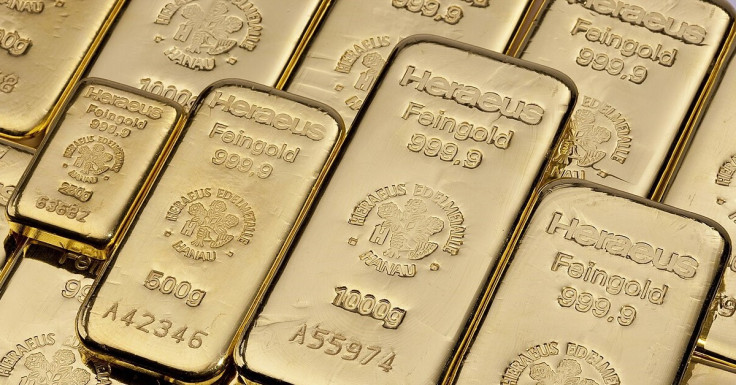
Gold prices have shown signs of stabilisation after a recent period of weakness, but analysts warn that the calm may be temporary as investors weigh rising US Treasury yields against shifting geopolitical and inflation expectations.
Spot gold recently held steady after earlier declines, reflecting a market caught between conflicting drivers: on one hand, macroeconomic pressure from expectations of higher US interest rates; on the other, softer oil prices linked to easing geopolitical tensions.
The metal had previously slipped to its lowest level in several weeks, underscoring how quickly sentiment can shift in response to monetary policy signals and bond market movements.
Why Rising Yields Matter for Gold Investors
One of the key pressures facing gold is the rise in US Treasury yields, which increases the opportunity cost of holding non-yielding assets such as bullion.
When bond yields climb, investors are often drawn toward fixed-income assets that offer returns, reducing demand for gold as a safe-haven store of value. This dynamic has been a recurring theme in recent trading sessions, with analysts noting that expectations of further US rate adjustments continue to weigh on sentiment.
Market pricing currently suggests traders are still factoring in a significant probability of further tightening later in the year, keeping pressure on precious metals despite short-term stabilisation.
Oil Prices Offer Partial Support, But Not Enough
While higher yields have dragged on gold, softer oil prices have provided some offsetting support. Declines in crude have been linked to easing geopolitical tensions in key producing regions, helping to reduce inflationary pressure expectations in the short term.
Lower energy prices typically ease broader inflation concerns, which can reduce the urgency for central banks to maintain aggressive rate hikes. This creates a more balanced environment for gold, which often benefits from inflation uncertainty but struggles when rate expectations dominate.
However, analysts caution that this support remains fragile and heavily dependent on geopolitical stability, which can shift rapidly.
'Stability' or Temporary Pause? What Analysts Say
Reuters reported that market analysts have described gold's recent movement as a stabilisation phase following a two-session slump rather than a clear reversal in trend.
As one Saxo Bank analyst noted in commentary referenced by Reuters, the recent pause comes after a break below key technical levels, but the broader environment remains challenging due to persistent rate expectations.
This suggests that what appears to be stability may instead reflect hesitation in the market rather than renewed bullish momentum.
Key Signals Investors Need to Watch
For investors, the current environment demands close attention to several critical indicators:
First, US inflation data remains central. Upcoming consumer price figures are expected to influence Federal Reserve policy expectations, which in turn will shape bond yields and dollar strength.
Second, Treasury market movements will remain a primary driver of gold sentiment. Any sustained rise in yields could cap upside potential for bullion, while stabilisation or declines could offer relief.
Third, geopolitical developments continue to play a supporting role. Easing tensions have recently contributed to lower oil prices, but any escalation could quickly reverse that dynamic and boost safe-haven demand.
What This Means for Gold Positioning
Gold's current stability should not be interpreted as a clear bullish signal, according to market observers. Instead, it reflects a temporary balance between opposing forces: tightening financial conditions on one side and geopolitical uncertainty on the other.
For investors, this creates a 'wait-and-see' environment where directional conviction remains limited. Short-term traders may continue to exploit volatility, while longer-term investors are likely to remain focused on macroeconomic trends rather than price consolidation alone.
Until clearer signals emerge from inflation data and central bank policy guidance, gold is expected to remain sensitive to sudden shifts in sentiment rather than establishing a sustained trend.
© Copyright IBTimes 2026. All rights reserved.