

For 25 Years the Fed Told Markets What's Coming: That's About to End
Top central bankers from the US, UK, Eurozone, and Canada unite in Portugal to reject forward guidance in favor of real-time data

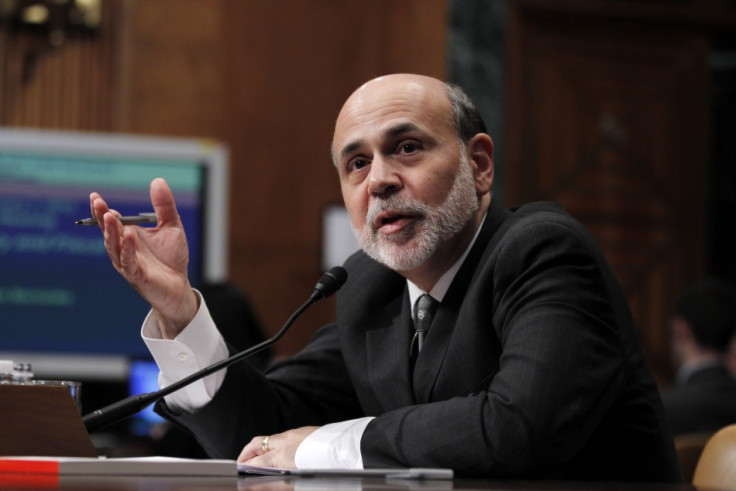
For more than two decades, investors have looked to the Federal Reserve not only for interest rate decisions but also for clues about what would come next. Speeches by Fed officials, policy statements, and economic projections often shaped market expectations long before rates changed. That approach now appears to be changing.
Speaking at the European Central Bank's annual forum in Portugal, Federal Reserve Chair Kevin Warsh made it clear that the Fed will no longer rely on forward guidance, a communication tool that has been central to monetary policy for around 25 years. His remarks suggest the Fed wants greater flexibility as policymakers respond to an economy facing changing inflation, growth, and productivity trends.
Warsh Rejects Forward Guidance
Warsh was repeatedly asked how the Fed might adjust monetary policy in the months ahead. He declined to provide any indication. Instead, he made his position clear by repeatedly saying there would be no forward guidance.
His comments marked a sharp departure from a policy that became widely used after the late 1990s and played a significant role following the global financial crisis, when central banks sought to reassure markets by signalling the likely path of future interest rates.
Other Central Banks Share Similar Concerns
Warsh was not the only central bank leader to question forward guidance. European Central Bank President Christine Lagarde said her biggest regret was feeling bound by previous guidance. Bank of England Governor Andrew Bailey and Bank of Canada Governor Tiff Macklem also expressed reservations about relying on advance policy signals. Their comments indicate that several major central banks are reconsidering how they communicate with financial markets at a time when economic conditions can change rapidly.
Inflation Remains the Fed's Main Priority
Although Warsh avoided discussing future rate decisions, he left little doubt about the Fed's objective. He said the central bank remained committed to delivering price stability in the US. His comments come as policymakers continue to debate the next step for interest rates.
Minutes from the Federal Open Market Committee's June meeting showed differing views among officials. Some favour keeping rates unchanged, others believe another increase may be necessary, while at least one member has argued for lower rates. Those differences help explain why the Fed may be reluctant to indicate its future decisions before new economic data become available.
AI Productivity Draws Attention
Warsh also highlighted productivity gains linked to artificial intelligence. He said improvements seen over the past four quarters gave him reason for optimism, although he stopped short of suggesting that interest rate cuts were imminent. Instead, he indicated that sustained productivity growth could improve the economic outlook if the trend continues. His comments reflect the increasing attention policymakers are paying to AI's potential effect on productivity and inflation.
Investors Await Fresh Signals
Attention now turns to the release of the Federal Open Market Committee minutes from the June meeting. Investors will examine the document for more detail about the debate within the committee and whether officials remain divided over the path of monetary policy.
The second quarter earnings season is also beginning. Major US banks, including JPMorgan, Wells Fargo, and Citigroup, are among the first companies due to report results. Their earnings may provide further insight into lending conditions, consumer borrowing, and the broader health of the US economy.
A Different Approach to Monetary Policy
Warsh's remarks indicate that the Fed intends to rely less on advance signalling and more on incoming economic data when making policy decisions. That represents a significant change from the communication strategy that investors have followed for many years. Rather than looking for guidance from speeches or policy projections, markets are likely to focus more closely on inflation, employment and economic growth as future interest rate decisions unfold.
© Copyright IBTimes 2026. All rights reserved.