Japanese Yen Rockets Against US Dollar Amid Suspected Tokyo Market Intervention
Unannounced intervention suspected as yen recovers from 40-year lows
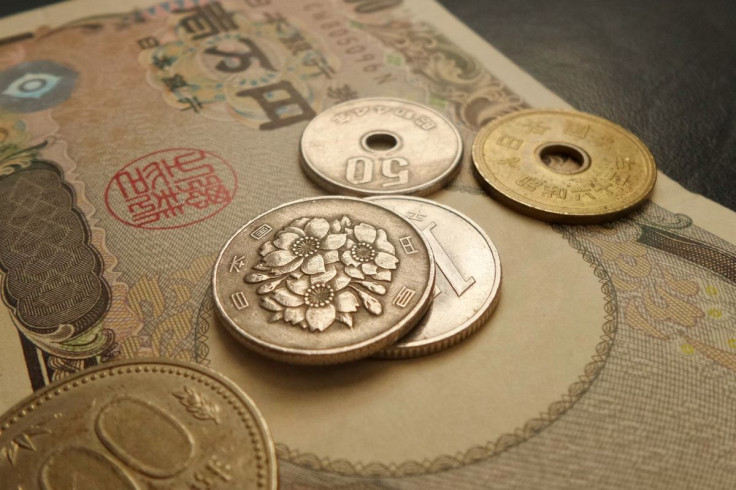
The dollar suffered its sharpest one-day fall against the yen since 2022 on Thursday, dropping 3 per cent to 158.34 yen in heavy trading, as analysts pointed to what they believe was a covert intervention by Japanese authorities.
The sudden rebound pulled the Japanese currency further away from the 40-year lows hit earlier this week. The Ministry of Finance could not be reached immediately for comment, though foreign exchange markets recorded unusually high trading activity during the session.
Tracing the Suspected Tokyo Market Intervention
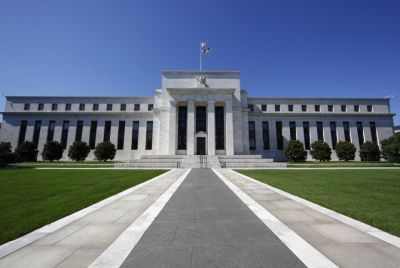
The abrupt upward move occurred just before the Bank of Japan was scheduled to announce its latest interest rate decision on Friday. The timing also coincided with Wednesday's divided Federal Reserve meeting, where US policymakers chose to leave interest rates unchanged.
Traders immediately began questioning whether the Federal Reserve was committed to containing domestic inflation, which broadly weakened the dollar and offered Japanese officials an opportunity to support their currency without broadcasting their intentions.
Market data strongly indicates an orchestrated government response. Analysts at Citi noted that their institutional trading platforms registered approximately £6 billion ($8.1 billion) in rapid dollar selling over a ten-minute window on Thursday afternoon. Such scale rarely materialises without state involvement.
Daisaku Ueno, chief foreign exchange strategist at Mitsubishi UFJ Morgan Stanley Securities, suggested the government intended to catch market participants off guard. 'It is hard to imagine anything other than currency intervention causing a drop of as much as 5 yen in such a short period of time,' Ueno stated. Most traders assumed any state action would only happen after both central banks concluded their respective meetings.
Japanese authorities have warned about speculative trading for months. The weak currency has affected household finances across the country by exacerbating the cost of imported energy and essential goods.
Prime Minister Sanae Takaichi has faced growing political pressure over the domestic cost of living, yet her administration has resisted raising borrowing costs to fund new spending initiatives. The volume of Thursday's trading suggests Tokyo has shifted from verbal warnings to direct market intervention.
JUST IN: 🇯🇵 Japan sells US dollars and buys yen in massive currency intervention after yen falls to 40-year low.
— Watcher.Guru (@WatcherGuru) July 30, 2026
How the Japanese Yen Rockets Against Regional Pressures
The ripple effects of the move extended beyond the US exchange rate. The yen also climbed over 2 per cent against the pound and the euro, alongside a similar rise against the Australian dollar. This broad recovery highlights the size of the capital flows redirected by the sudden dollar sell-off.
In economic terms, Japan's currency has struggled for years under a regime of persistently low domestic interest rates. Previous state interventions to strengthen the currency have yielded mixed results.
Authorities spent more than £51.8 billion ($70 billion) selling dollars during April and May, but the yen surrendered those gains almost immediately as economic gaps between Tokyo and Washington remained unresolved.
Global financial markets are now focused on the anticipated central bank announcement in Tokyo. Policymakers are expected to keep baseline rates steady while issuing warnings about future increases.
If traders interpret the official messaging as too cautious, the currency could fall back quickly. 'Given the circumstances, it is reasonable to think that intervention was likely conducted,' noted Yuji Saito, an executive advisor at SBI FX Trade.
'The key question is whether authorities will keep pushing until the dollar breaks below the 155-yen line,' Saito added, noting that market watchers will use that level to gauge how serious the government is about defending the national economy.
© Copyright IBTimes 2026. All rights reserved.
- Recommended For You