Why Is the Pound Falling? Sterling Nears 2026 Low After Starmer's Resignation
Analysts warn political instability could deepen pressure on Britain's finances and currency

The British pound fell close to its 2026 low on Monday as Prime Minister Keir Starmer announced his resignation, renewing concerns about the UK's economy, public finances, and fiscal outlook.
Sterling briefly slipped to $1.3181 against the US dollar, approaching its 2026 low of $1.3159 recorded in March. Although the currency later pared some losses, analysts said the pound remains vulnerable as investors assess the implications of a potential leadership transition.
The latest sell-off reflects growing concerns about more than just politics. Investors are increasingly questioning Britain's fiscal direction, borrowing trajectory, and ability to maintain economic stability amid mounting uncertainty.
Political Uncertainty Is Weighing on Investor Confidence
Political transitions often unsettle markets, particularly when the future direction of economic policy remains unclear.
Reports that Greater Manchester Mayor Andy Burnham could emerge as a leading contender to replace Starmer have raised questions about how a new administration might approach spending, taxation, and borrowing. While Burnham has yet to provide detailed policy proposals, analysts say markets are already evaluating the potential impact on Britain's finances.
According to strategists at Commonwealth Bank of Australia, investors are closely monitoring whether a future government could relax existing fiscal rules to support additional spending. The bank warned that any move towards looser fiscal policy could be poorly received by bond markets and place further pressure on sterling.
Markets generally tolerate political change. What they dislike is uncertainty. Without clear guidance on future economic policies, investors often become more cautious, leading to pressure on both government bonds and the national currency.
Why Britain's Debt Burden Is Back in Focus
Political uncertainty may have triggered the pound's latest decline, but investors' concerns run deeper than a potential leadership contest.
Britain continues to face sluggish economic growth, elevated public debt, and persistent pressure on government finances. Recent borrowing figures have exceeded expectations, prompting renewed scrutiny of the country's fiscal position.
Analysts note that investors remain particularly sensitive to borrowing risks following the market turmoil of 2022, when concerns over unfunded tax cuts triggered a sharp sell-off in UK government bonds and sent sterling tumbling.
Although today's circumstances differ significantly from that episode, memories of the crisis continue to shape market sentiment.
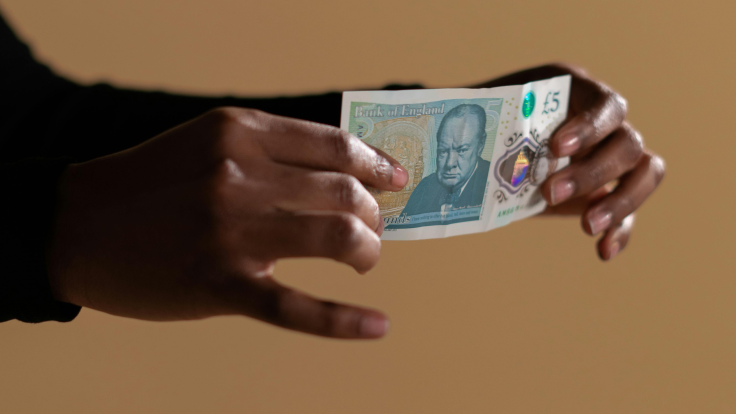
According to market analysts cited by Bloomberg, investors are paying close attention to any signs that fiscal discipline could weaken. Concerns over increased borrowing or higher bond issuance could push borrowing costs higher and further undermine confidence in the pound.
What a Falling Pound Could Mean for UK Households
Currency movements may seem distant from everyday life, but a weaker pound can eventually affect consumers across the country.
A declining pound makes imported goods more expensive, increasing costs for businesses that rely on overseas materials and products. Those higher costs can eventually be passed on to consumers through rising prices.
Foreign travel can also become more expensive as sterling buys less abroad. Families planning holidays overseas may find accommodation, dining, and other expenses costing more when converted from pounds.
Economists also warn that a sustained decline in the pound could contribute to inflationary pressures, particularly if import costs continue to rise. This could complicate efforts by policymakers to ease the financial burden on households already grappling with higher living costs.
Why Investors Are Watching the UK's Next Move
The pound's direction in the coming weeks may depend largely on how political developments unfold and whether policymakers can reassure markets about Britain's fiscal trajectory.
Investors will be looking for greater clarity on the future leadership of the government, as well as firm commitments on spending, borrowing, and fiscal discipline. Any signals that public finances will remain under control could help stabilise market sentiment.
For now, analysts say confidence remains fragile.
Sterling's recent weakness is not simply a reflection of political headlines. It is also a sign that investors are seeking reassurance about the UK's economic future at a time when growth remains subdued and public finances remain under pressure.
Until markets gain greater clarity on Britain's political leadership and fiscal direction, the pound is likely to remain sensitive to further uncertainty.
© Copyright IBTimes 2026. All rights reserved.
- Recommended For You