Will Tyler Robinson Face Death Penalty For Charlie Kirk Shooting? Bullet Fragment Does Not Match Suspect's Rifle
One mismatched bullet, a nation's raw divide, justice hangs on rifling's whisper.
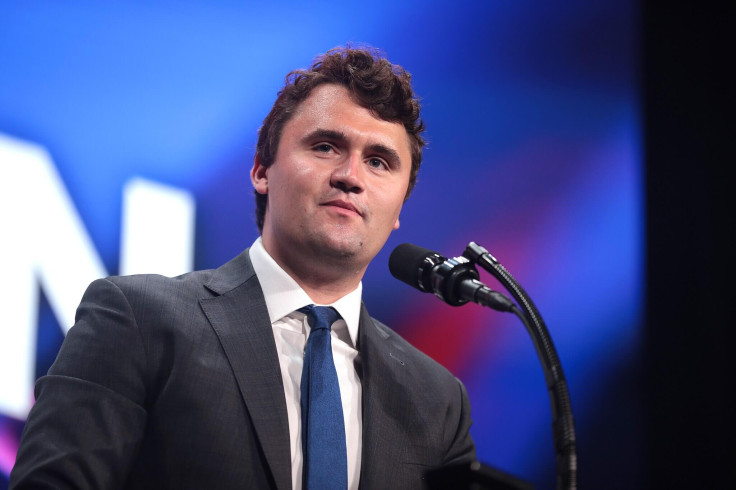
Tyler Robinson, the 22-year-old charged with the aggravated murder of conservative activist Charlie Kirk, may gain new leverage against Utah prosecutors' push for the death penalty after fresh ATF analysis found a bullet fragment from Kirk's autopsy could not be conclusively linked to Robinson's rifle. The finding, disclosed in court filings on 27 March 2026 just ahead of a now-delayed preliminary hearing, is already central to defence efforts to challenge key forensic evidence.
Charlie Kirk, co-founder of Turning Point USA and a prominent voice for young conservatives, was gunned down on 10 September 2025 while speaking at an open event under a white tent on Utah Valley University's Orem campus. Video captured the moment: a single shot to the neck mid-speech, Kirk clutching his throat as chaos erupted, screams piercing the afternoon air. He died shortly after, aged 31, sparking intense reaction across America's political divide.
Bullet Findings Complicate Robinson Prosecution
Robinson surrendered two days later, on 12 September, after confessing to his father, who recognised him on wanted posters and persuaded him to turn himself in at Washington County Sheriff's Office.
Prosecutors quickly set out their case: DNA matching Robinson on the rifle trigger, a spent casing and unfired rounds found nearby, his grandfather's gun, allegedly. Texts to his partner laid out the alleged motive, prosecutors say: he 'had enough of his hatred', planning the attack for over a week, even etching meme phrases on bullets.
The new ATF report now questions a central element. Federal examiners analysed the autopsy fragment, viewed as key to proving the rifle fired the fatal shot, and reported no conclusive match. They found no unique barrel markings, the microscopic toolmarks that ballistics experts rely on, tying it definitively to Robinson's weapon.
Experts note the fragment's condition likely limited the analysis, as such comparisons typically depend on relatively intact material. The defence is not declaring victory, but is citing portions of the sealed report in a motion to delay the May hearing by six months, saying they are working through 20,000 files, 6,100 pages, 31 hours of audio and more than 700 hours of video. The FBI is stepping in for further tests, according to court documents, while Robinson's team considers calling an ATF firearms analyst to testify about the potential impact on their client's case.
Photos of Tyler Robinson, the accused leftist assassin of Charlie Kirk with the trans lover, at his first in-person court hearing in Utah County today.
— Andy Ngo (@MrAndyNgo) December 11, 2025
The judge has allowed cameras into the courtroom today, but images showing Robinson shackled are banned from publication to… pic.twitter.com/VECT16qU7o
Utah County Attorney Jeff Gray has maintained his position. He has backed the death penalty from the outset, calling Kirk's killing 'an American tragedy' that struck at the heart of free speech. Defence filings say DNA from multiple people appears on some items and argue for further analysis before any trial links Robinson definitively to the trigger. Robinson's lawyers also support cameras in court, saying transparency is needed in a case already marked by extensive online commentary.
Political Reaction Intensifies Scrutiny Of Case
Kirk's death prompted a rapid political response. President Donald Trump, his ally, mourned publicly: 'The Great, and even Legendary, Charlie Kirk, is dead. No one understood or had the Heart of the Youth in the United States of America better than Charlie. He was loved and admired by ALL, especially me, and now, he is no longer with us. My Sympathies go out to his beautiful wife Erika, and family. Charlie, we love you!' Prominent conservative commentators framed the shooting as part of a broader 'radical left' assault on the right, while some critics of Kirk reacted online, including hostile posts about the circumstances of his death.

Six months on, the disputed ballistics evidence has renewed debate. Robinson faces aggravated murder and weapons charges; a conviction could lead to a death sentence in Utah. The inconclusive bullet finding, dependent on fragment quality, experts caution, challenges one strand of the prosecution's case. The preliminary hearing has been postponed, with the next court date on 17 April focused on the cameras issue.
Prosecutors continue to emphasise DNA and digital evidence, along with Robinson's statements, while the defence seeks to test each element. In Provo's Fourth District Court, under Judge Tony Graf, who has already rejected a motion to remove the prosecution team, the strength of the forensic record is now under renewed examination.
Legal analysts note that, in capital cases, a single inconclusive forensic result can become a focal point for appeal and pre-trial litigation. The FBI's additional review could either reinforce the state's position or add to defence arguments; for now, the status of the death penalty notice hinges partly on how much weight courts give to the unresolved ballistics question.
© Copyright IBTimes 2026. All rights reserved.
- MOST POPULAR IN Trending