Fake Texts Foil Conspirators—Tyler Robinson Turned Himself In, Ruining 'Perfect' Kirk Assassination Scheme
Chilling text discrepancies revealed suggest a premeditated 'suicide-by-cop' plot was abandoned when the man accused of shooting Charlie Kirk chose to walk into a police station instead
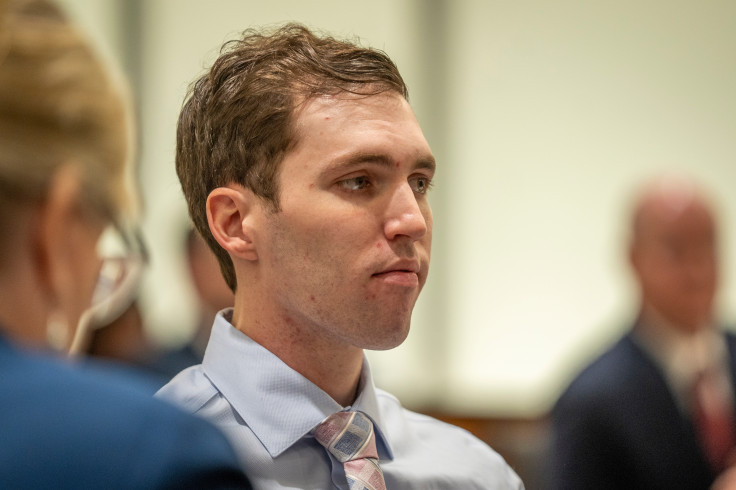
A fractured trail of digital evidence has revealed a chilling discrepancy in the case against Tyler Robinson, the man accused of the shooting of Conservative activist Charlie Kirk.
Newly surfaced disclosures from the Utah County Attorney's Office suggest that the prosecution's narrative is split between two wildly different versions of Robinson's intent. While the formal indictment paints a picture of a man prepared to surrender peacefully, a separate batch of messages handed to the FBI just days earlier suggests a far more violent endgame was originally planned. The revelation has sparked intense speculation that Robinson's decision to walk into custody on 11 September 2025 may have derailed a staged 'shootout' scenario.
The case stems from the 10 September 2025 Utah Valley University shooting, where Kirk was targeted during a high-profile campus event. Robinson, who initially fled the scene, is now the centre of a legal firestorm as investigators attempt to reconcile his actual behaviour with the 'paper trail' left behind in his wake.
The Two Narratives: Shootout Intent vs Peaceful Compliance
According to the newly released material, the most explosive evidence involves two distinct sets of Tyler Robinson text messages. The first set was provided to federal authorities by Lance Twiggs at approximately 1 am on 12 September. In these messages, Robinson allegedly claimed he would summon the police to a specific location to 'go out on my own terms', a phrase often associated with a suicide-by-cop intent. This version of events implies that Robinson never intended to face a courtroom, yet he surrendered voluntarily just hours before these texts were scrutinised by the FBI.
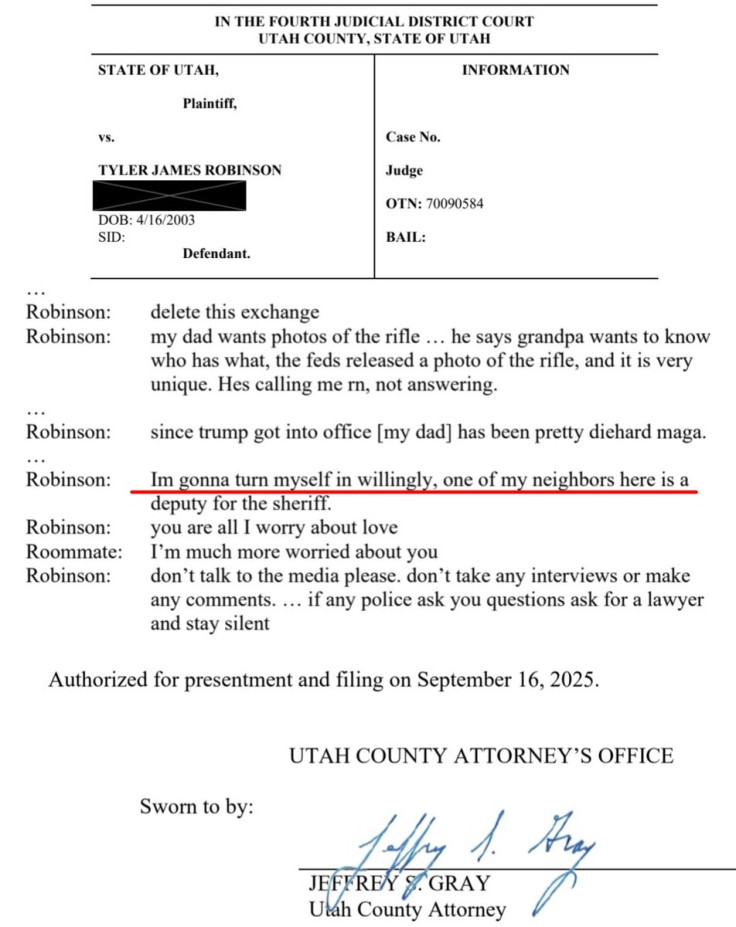
Conversely, the Tyler Robinson indictment filed on 16 September presents a completely different tone. In this later document, Robinson is quoted as stating his intent to 'turn myself in willingly'. This retrospective alignment with his actual surrender has led critics to question the authenticity and sequencing of the data. Legal experts suggest that the existence of two conflicting plans creates a significant 'fault line' in the prosecution's theory of premeditation.
Lance Twiggs FBI Disclosure And The Failed Shootout Theory
The role of Lance Twiggs has become a focal point for those questioning the official story. By delivering the initial 'violent' messages to federal agents in real time, Twiggs effectively locked in a narrative of a political assassination attempt ending in a fatal confrontation. When Robinson chose to surrender without incident, that narrative was shattered.
Sam Parker, a prominent electoral candidate, took to social media to voice his suspicions regarding the discrepancy. In a Sam Parker X post that has since garnered millions of impressions, he suggested that 'the original plan was for Tyler Robinson to be k-lled in a shootout'. Parker's assessment reflects a growing sentiment among observers that the evidence may have been curated to support a specific, more sensational conclusion that Robinson himself disrupted by choosing life over a final stand.
Timing And Evidence: The Question Of Retrospective Alignment
The timeline of the Utah County Attorney's Office disclosures raises serious questions about how digital evidence is processed in high-stakes cases. Robinson surrendered on the evening of 11 September, yet the 'violent' messages were only handed over hours later. The fact that the indictment, issued four days later, pivots to a 'peaceful' narrative suggests an attempt by authorities to smooth over the inconsistencies.
Defence attorneys are expected to lean heavily on the importance of contemporaneous evidence. If the 12 September messages were the first to reach federal hands, they carry a weight that the later, more convenient texts may lack. The core question remains: were the surrender messages a genuine reflection of Robinson's heart, or were they a Robinson surrender narrative constructed after the fact to fit the reality of his arrest?
The Legal Fault Line In High-Stakes Conspiracies
As the proceedings continue, the authenticity of these digital footprints will be under the microscope. Prosecutors have yet to address the discrepancy in detail, but the impact on the jury could be profound. In cases involving an alleged high-stakes conspiracy, the presence of a 'staged' narrative that fails to materialise can often be as damaging to the prosecution as it is to the defence.
For now, the Charlie Kirk shooting remains one of the most contentious cases in recent Utah history. Whether Tyler Robinson was a man who changed his mind at the last second, or a pawn in a larger story that went off-script, is a mystery that only the full disclosure of his digital life will solve.
© Copyright IBTimes 2026. All rights reserved.
- Recommended For You