

Ban on Transgender Troops Heads to Supreme Court as Trump Fights June Ruling That Blocked Discharges
Thousands of serving troops could lose careers and benefits if the justices uphold the ban
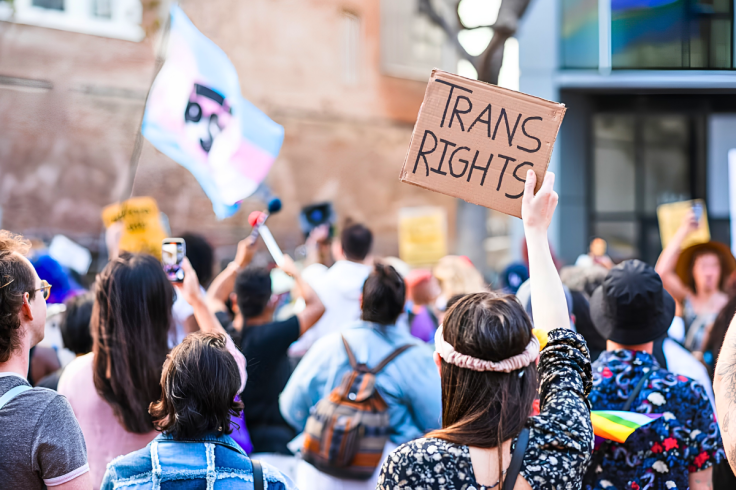
The battle over Donald Trump's transgender military ban has returned to the Supreme Court, after his administration asked the justices on 28 August to let the Pentagon discharge troops that a federal appeals court had ordered it to keep.
Solicitor General D. John Sauer filed the emergency petition, calling the lower court's decision 'gravely erroneous' and arguing it wrongly stripped the military of its power to decide who is fit to serve. The administration says judges owe deference to the Pentagon on readiness and unit cohesion, and it wants the justices to apply the most forgiving legal test when reviewing the ban.
However the court rules, the case could set precedent on whether the government can bar a whole category of citizens from federal service.
A Second Trip to the Supreme Court
It isn't the first time the fight has reached the high court. Trump signed Executive Order 14183 days into his second term, directing Defense Secretary Pete Hegseth to remove people with gender dysphoria from the ranks.
In May 2025, the justices let the ban take effect while lawsuits worked through the lower courts, despite objections from the three liberal justices.
This time the administration wants more than a temporary green light. It's asking the court to rule that the policy is constitutional.
What the June Ruling Found
On 1 June, a divided panel of the US Court of Appeals for the District of Columbia (DC) Circuit upheld an order blocking the Pentagon from removing the service members who had sued.
The 2-1 decision found the ban likely violated their right to equal protection and rested on animus rather than genuine military need.
Writing for the majority, Circuit Judge Robert Wilkins noted the plaintiffs had served honourably, met every standard, and collectively earned more than 80 commendations. The government disputes that reading, saying the policy turns on a medical diagnosis, not identity.
Thousands of Careers in Limbo
The case's reach extends well beyond the people who filed it. The Defense Department counted 4,240 service members with a gender dysphoria diagnosis as of December 2024, and about 1,000 chose voluntary separation before the removals stalled.
On 30 June, a federal court certified the lawsuit, Talbott v United States, as a class action, so any final ruling could cover every affected member rather than the named plaintiffs alone. If the block survives, protections could reach thousands still serving, shielding their pay, pensions, and veterans' healthcare. If it falls, those troops could face discharge before a full trial tests the policy.
What Happens Next
Shannon Minter, legal director at the National Centre for LGBTQ Rights, said the policy 'irrationally excludes highly decorated service members'. Supporters of the ban, including Hegseth, argue gender dysphoria is incompatible with the demands of service. The case reaches a court that has taken up several major transgender disputes in recent years.
The justices are on summer recess and return in early October, when they're expected to weigh the petition at a private conference. At least four must agree before the court hears arguments, and a ruling could arrive by mid-2027.
For now, the block stays in place, and the troops it shields remain in uniform while the nation's highest court decides whether that protection holds.
© Copyright IBTimes 2026. All rights reserved.