

'Biological Sex' Prevails: SCOTUS Shuts Down Challenges to Idaho and West Virginia Transgender Athlete Bans
As the Supreme Court narrows Title IX, the battle over who sport is really for is being fought far from Washington, on school fields and courts where every place on the team counts.
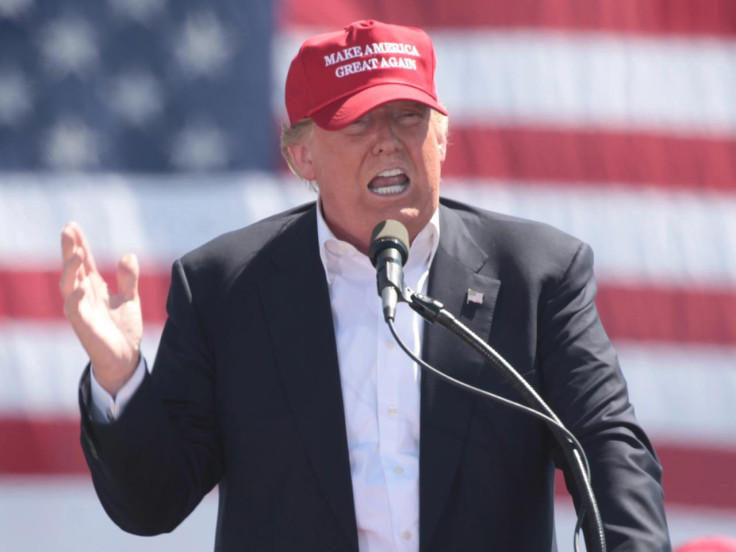
The US Supreme Court on Tuesday upheld laws in Idaho and West Virginia that bar transgender athletes from competing in women's and girls' sports, a ruling that Donald Trump immediately hailed as a 'big win' and one his administration is already treating as a green light for wider crackdowns.
After years of litigation over whether Title IX, the federal law banning sex discrimination in education, guarantees transgender students the right to join sports teams that match their gender identity. In both states, Republican lawmakers framed their bans as necessary protection for girls and women 'biologically' assigned female at birth, while civil rights groups argued the measures singled out some of the most vulnerable students in US schools for exclusion.

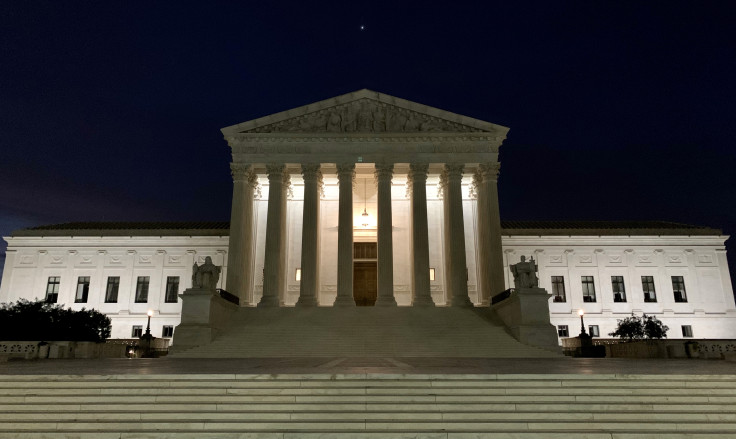
In a 6–3 decision, the court's conservative majority sided with Idaho and Virginia, holding that Title IX permits schools to separate sports by 'biological sex' and that the state bans do not, in themselves, violate the US Constitution. The ruling confirms that, at least for now, transgender girls and women have no federal right to play on female teams.
'The Constitution and Title IX do not require an overhaul of women's and girls' sports throughout America,' Justice Brett Kavanaugh wrote for the majority, dismissing the broader equality arguments raised by the challengers.
Seizes On Supreme Court Ruling
The fight over transgender athletes has become one of the sharpest cultural fault-lines of Trump's return to the White House. Early in his new term, Trump signed an executive order that prompted the NCAA, which oversees college sport, to bar trans athletes from women's competitions. His administration has also threatened to pull federal funding from states and school districts that adopt transgender‑inclusive policies.
On Tuesday, Trump wasted no time in framing the Supreme Court ruling as validation of his approach.
'BIG WIN: The United States Supreme Court just RULED AGAINST MEN PLAYING IN WOMEN'S SPORTS,' he posted on Truth Social, adding: 'Wow! That takes that ridiculous situation off the table!!!'
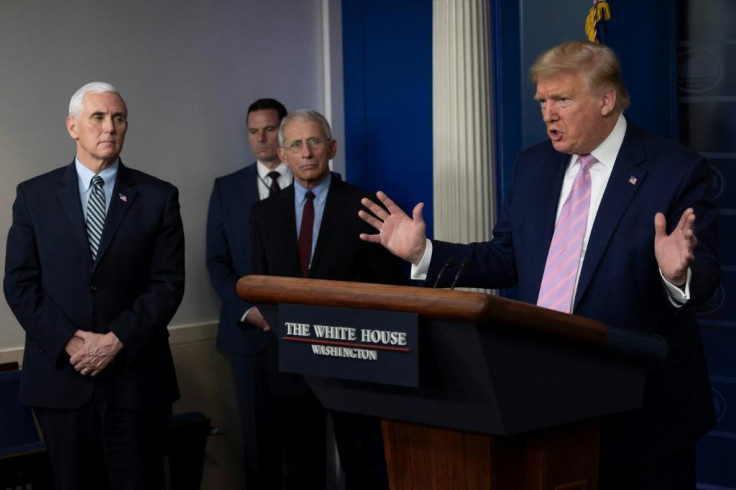
That language, which misgenders transgender women and girls, reflects how Trump and his allies have chosen to fight this issue politically, presenting it less as a question of individual rights and more as a defence of what they call 'fairness' in women's sport.
Education Secretary Linda McMahon, one of Trump's key lieutenants on the issue, called the decision a 'tremendous victory' and said the administration now intends to press its advantage.
'The Trump Administration has fought to restore Title IX's protections for women and girls since Day One,' she said in a statement. 'Today's ruling cements those reforms and builds on decades of work to secure equal educational opportunities for women and girls.'
Officials have already been targeting states such as California, Maine and Minnesota, which have human rights laws allowing trans students to compete in line with their gender identity and to use school facilities, including locker rooms and bathrooms, that match that identity. The Supreme Court judgment, while narrower than some activists on the right might have hoped, is likely to stiffen those efforts.
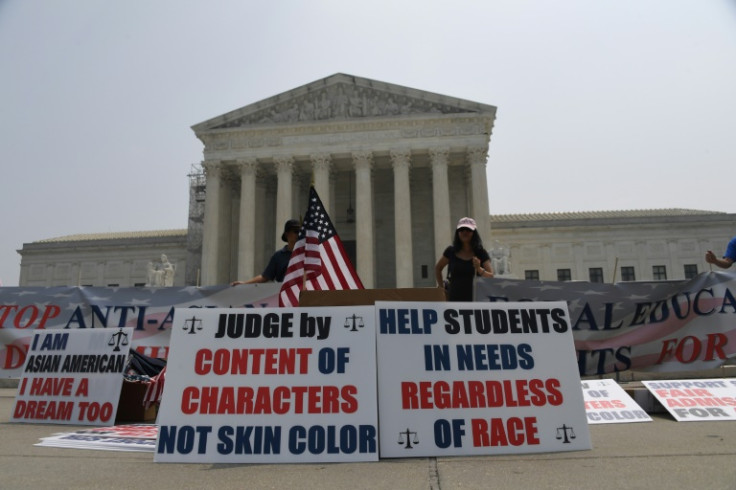
Title IX, 'Biological Sex' And What The Court Actually Said
Despite the triumphalism from Trump and West Virginia's Republican governor Patrick Morrisey, the decision is not a blanket ban on all forms of transgender participation in sport.
More than two dozen states now have laws on the books restricting trans athletes in girls' and women's sport, but the Idaho and West Virginia measures had been frozen while the legal challenges played out. The Supreme Court has now cleared the way for them to take effect, but Kavanaugh included a quiet caveat in a footnote that will matter to lawyers and, ultimately, to students.
He stressed that the ruling does not decide whether federal law allows schools to voluntarily admit transgender girls to girls' teams. 'That question is currently the subject of litigation in some lower courts,' he wrote. 'Nothing in this opinion is intended to decide that question.' He added that the court was not weighing in on 'participation by biological females on male or co-ed sports teams' either.
So the court has said what states may ban. It has not definitively said what schools are forbidden to allow.
Even so, the symbolic weight of the ruling is hard to ignore. The US Olympic & Paralympic Committee and the International Olympic Committee have already barred trans athletes from women's sport, and US schools often take their cues from elite bodies. The justices' blessing for state-level bans will be read in many statehouses and school boards as an invitation to follow suit.
Stark Divide Over The Human Cost
If the majority opinion reads like a technical defence of sex‑segregated sport, Kavanaugh's closing passage is far more personal. Drawing on his time as a youth basketball coach for girls, he argued that allowing trans girls into female teams is not the harmless gesture some imagine.
'Some might ask: What is the harm in allowing an additional athlete to compete in women's or girls' sports? That sentiment, though understandable, misunderstands the nature and reality of sports,' he wrote, describing sport as 'highly competitive and generally zero sum' where roster places, medals and scholarships are finite.
'Women and girls who play sports care deeply about all of those things,' he said.
The court's three liberal justices agreed that Title IX, as drafted, does not itself guarantee transgender access to girls' teams, but they accused the majority of brushing past the real-world stakes. Justice Sonia Sotomayor, writing in dissent, argued the bans were too sweeping and should have been sent back to lower courts for more detailed scrutiny.
She said states should at least be forced to justify their restrictions sport by sport and age by age, and to account for transgender girls who have delayed male puberty with medical treatment. Instead, she wrote, the court relied on 'overbroad generalizations' and adopted a 'slapdash' approach to an issue that demands nuance.
The families at the centre of the cases, the ruling is not abstract at all. Joshua Block, senior counsel at the ACLU's LGBTQ & HIV Rights Project, called it 'heartbreaking' for his clients and for 'transgender girls like them who've asked for nothing more than the same opportunities afforded to their peers.'
He argued that 'the reality is that the equality of transgender women and girls takes nothing away from, and in fact promotes, the equality of all women and girls.'
Both sides claim to speak for girls' futures. For now, it is Trump's definition of fairness that has the force of law behind it, and it will be transgender students in school gyms and changing rooms, rather than judges in Washington, who feel the consequences first.
© Copyright IBTimes 2026. All rights reserved.