

Texas Democrats Launch Bombshell Marijuana Legalisation Bid With Plans for Legal Weed, Home-Grown Cannabis and 20% Tax
The proposals would permit limited possession and create a regulated cannabis market
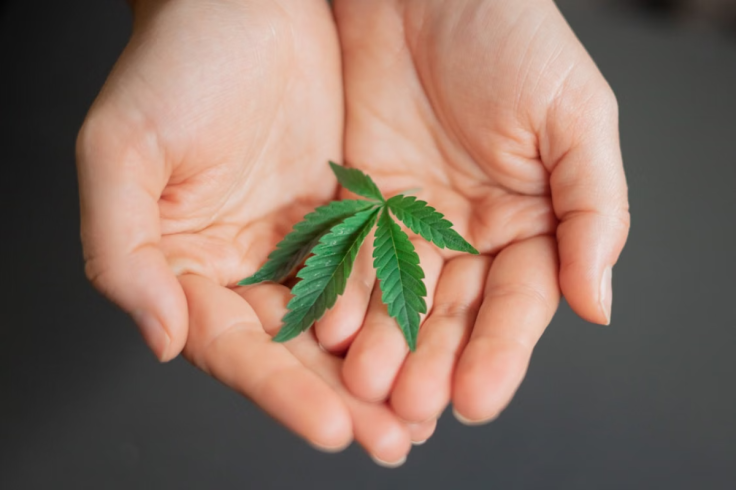
Texas could be heading towards one of its biggest marijuana policy shake-ups, with Democratic lawmakers pushing to legalise recreational cannabis, allow residents to grow up to 12 plants at home and introduce a new tax on legal weed sales.
Several bills have already been prefiled for the 2027 legislative session, signalling renewed momentum for cannabis reform following Democrats' sweeping midterm election victories. If passed, the proposals would also change how marijuana possession is handled and establish a regulated commercial cannabis market across the state.
Texas Marijuana Legalisation Bills
Two Democratic lawmakers have introduced proposals that could fundamentally change Texas marijuana laws. State Representative Joe Moody filed House Bill 369, while Representative John Bucy III introduced House Bill 362. Both pieces of legislation are titled the Texas Regulation of Cannabis Act and contain almost identical provisions.
Under the proposed measures, adults aged 21 and over would be allowed to possess up to two ounces of cannabis, including no more than 15 grams of concentrate. The bills would also permit residents to grow up to 12 marijuana plants at home for personal use. Possession within the proposed legal limits would no longer result in arrests.
Both proposals would establish a framework for commercial cannabis production and retail sales, with the Texas Department of Licensing and Regulation overseeing the programme. The Commission of Licensing and Regulation would be responsible for establishing the rules governing the industry.
Texas Marijuana Tax Plan
The proposed cannabis legalisation framework also includes a new taxation system. Under HB 369 and HB 362, retail marijuana purchases would carry an additional 20% tax on top of regular sales taxes. Transfers of cannabis from producers to dispensaries would face a separate 15% tax.
The legislation outlines how the resulting revenue would be distributed. Schools would receive the largest share, accounting for 50% of the proceeds. A further 25% would go towards a veterans' support fund, while drug treatment programmes would receive 15%. The remaining 10% would be allocated to local governments.
The bills would also prevent local authorities from banning or unreasonably restricting cannabis businesses from operating within their jurisdictions.
Senate Marijuana Bill Proposes Higher Possession Limit
A separate proposal in the Texas Senate offers a slightly different approach to legal weed. Democratic Senator Carol Alvarado introduced Senate Bill 237, which contains a similar framework for recreational marijuana legalisation but would allow adults to possess up to 2.5 ounces of cannabis.
Unlike the House proposals, Alvarado's bill would allow counties to prohibit cannabis businesses from operating. It also does not introduce additional excise taxes on marijuana sales. Instead, the proposal seeks to generate revenue through business licensing and application fees.
The differences highlight competing approaches among Democratic lawmakers regarding how Texas should regulate a potential recreational cannabis market.
Expanding Medical Marijuana Access
Beyond recreational cannabis, Democratic Representative Mihaela Plesa has introduced House Bill 330, which focuses on expanding medical marijuana access. The proposal would allow patients with certain conditions that cause menstrual pain, including dysmenorrhoea and premenstrual dysphoric disorder, to obtain medical cannabis.
The measure represents a separate effort to broaden Texas' existing medical marijuana programme rather than legalise recreational use.
When Will Texas Marijuana Legalisation Be Considered?
The 90th Texas Legislature is scheduled to begin its regular session on 12 January 2027.
The marijuana proposals have been prefiled ahead of the session, but they must still pass through the legislative process before becoming law. Until then, existing Texas marijuana restrictions remain in place.
© Copyright IBTimes 2026. All rights reserved.