

'They Have to Go Back … It's a Shame': Trump Blasts Student Visa Rules as Golden Visa Goes Live
Trump launches Golden Visa as he slams student visa rules, allowing international graduates to stay in the US
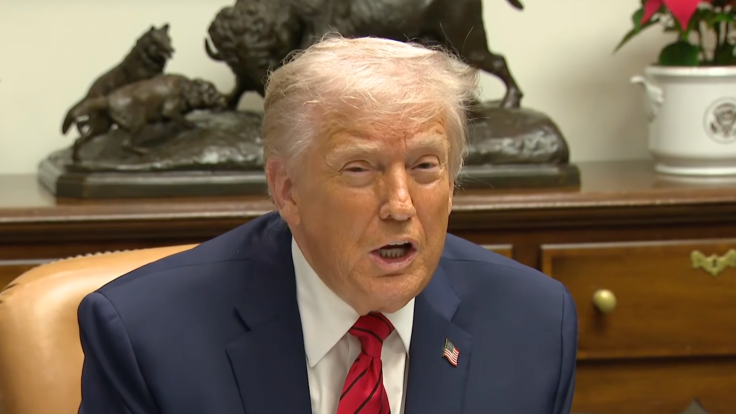
US President Donald Trump has aimed at long-established student visa regulations, calling it a 'shame' that foreign graduates, including those from India and China, have to exit the United States upon graduation.
The remark was made when he formally announced the Trump Gold Card visa, an upscale immigration programme advertised as a quick-track to becoming a US resident and, eventually, a citizen.
During a White House roundtable on Wednesday, Trump noted that foreign students, most of whom attend prestigious American universities, are often unsure whether they can remain and work in America after graduation.
'You graduate from college, and you have to go back to India, they have to go back to China, they have to go back to France. They have to go back to wherever they came from. Very hard to stay. It's a shame,' he said.
The criticism reflects a broader dismay among certain employers and policy-makers about the complexity and constraints of current visa programmes, such as the H-1B and green cards, which have long shaped the capacity of foreign graduates to remain in the US labour force.
Trump's Gold Card: A New Immigration Path
THE TRUMP GOLD CARD.
— The White House (@WhiteHouse) December 10, 2025
Unlock life in America. https://t.co/ui2ZkkdxEH pic.twitter.com/7pxuVvnC6z
The Trump Gold Card visa programme officially commenced this week, and its official application portal was launched to provide potential applicants with an easy path to US residency.
The new regime requires applicants to pay a processing fee of $15,000 (approx. £11,200), after which they must contribute $1 million (approx. £750,000) to the US government if they are successful, as outlined in the laws governing the programme's implementation. Administration officials have defined the visa as a green card, but much better, which will bring economic benefits to the United States and ensure residency for high-achieving foreigners.
The Commerce Secretary, Howard Lutnick, who stood alongside Trump at the launch, pointed out that corporations would also have access to the Gold Card at a fee of $2 million (approx. £1.5 million) as a sponsor to retain top talent worldwide. He stressed that the programme would appeal to the best people by offering greater certainty than traditional pathways.
Effects on Indian and Chinese Graduates
International students from India, China, and France have most echoed the challenges international students face in remaining in the US after graduation. The comment by Trump that these students must go back to their place of origin resonates with current discussions around how the US immigration policy treats foreign talent.
Trump indicated that major US employers have identified the visa system's restrictions as an obstacle to retaining highly qualified graduates. He cited conversations with leaders like Apple CEO Tim Cook, saying: 'They can't hire people from the best colleges because you don't know whether or not you can keep the person.'
The Gold Card is specifically targeted at this problem, as it is said to offer employers and individuals a more certain path to residency. According to officials, the new programme will enable companies to access top schools such as Wharton, Harvard, MIT, and the Stern School of Business at New York University.
Legal Experts Weigh In
Some legal experts have identified potential legal and systemic hurdles, despite the Gold Card visa promising high financial investment and streamlined processing. Critics claim that the programme may be subject to judicial review because it uses executive action that may override the legislative channel, which controls immigration and citizenship policies.
The issues of concern include how the Gold Card will interact with existing visa categories and whether it will result in unequal treatment of rich applicants versus those who currently use other, more traditional immigration options based on employment or family relationships. Law experts caution that there may be legal disputes over the new arrangement, which could put the applicants' investments or future status at risk.
Broader Immigration Debate

Trump's remarks on student returns and the introduction of the Gold Card take on added significance in the broader US debate about the efficiency and fairness of the US immigration system. International students and employers have long been discussing reforms to visa categories such as H-1B, green cards, and Optional Practical Training (OPT), which now permit graduates to work for a limited time after completing their studies.
Other figures, including Senator Jim Banks, have advocated stricter measures on foreign labourers, such as efforts to abolish OPT, further fueling the discussion of the use of skills migration in the modern economy.
Supporters of the Gold Card believe that a market-driven model would attract high-value people and help the US economy get back on its feet, while opposers view it as a preference for wealth over talent and innovation.
The online presence of the Gold Card, which is currently active and accepting applications, marks a new phase in US immigration policy aimed at transforming the country's international talent retention and recognition practices.
© Copyright IBTimes 2026. All rights reserved.