

Diamonds
In mineralogy, diamond is an allotrope of carbon, where the carbon atoms are arranged in a variation of the face-centered cubic crystal structure called a diamond lattice. Diamond is less stable than graphite, but the conversion rate from diamond to graphite is negligible at ambient conditions.
A large trade in gem-grade diamonds exists. Unlike other commodities, such as most precious metals, there is a substantial mark-up in the retail sale of gem diamonds.
One hallmark of the trade in gem-quality diamonds is its remarkable concentration: wholesale trade and diamond cutting is limited to just a few locations; In 2003, 92% of the world's diamonds were cut and polished in Surat, India.[56] Other important centers of diamond cutting and trading are Antwerp, where the International Gemological Institute is based, London, New York City, Tel Aviv, and Amsterdam.
A single company—De Beers—controls a significant proportion of the trade in diamonds. They are based in Johannesburg, South Africa and London, England. One contributory factor is the geological nature of diamond deposits: several large primary kimberlite-pipe mines each account for significant portions of market share (such as the Jwaneng mine in Botswana, which is a single large pit operated by De Beers that can produce between 12.5 to 15 million carats of diamonds per year,) whereas secondary alluvial diamond deposits tend to be fragmented amongst many different operators because they can be dispersed over many hundreds of square kilometers.

One of the largest diamonds in history has been discovered in Lesotho

Blood diamonds: How to buy gemstones with a clear conscience

Christie's unveils 'extremely rare' huge diamond ahead of auction – and it'll cost you millions

Diamond bought for £10 at car boot sale fetches £650,000

Petra Diamonds sees production surge by almost a quarter in six months

Billionaire businessman Beny Steinmetz arrested in Israel over Guinea bribery claims

Diamond geezers: The rise and fall and rise of Hatton Garden's jewellery quarter

Oppenheimer Blue diamond sells for world record £40m at Christie's auction

Former bank robber charged with trying to blackmail Bayern Munich for millions in cash and diamonds
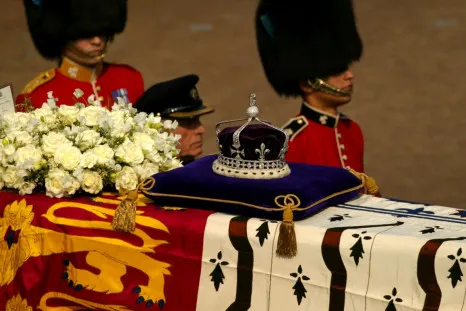
Koh-i-Noor diamond case demanding Queen return crown jewel to be heard in Pakistan courts

World's most expensive Christmas tree star for sale at £615,000

World's second largest diamond found in Botswana 'too big' for onsite valuation

Largest diamond in a century unearthed in Botswana

Blue Moon diamond: Rare 12-carat gem expected to become world's most expensive at Sotheby's auction

Earth forming far more diamonds deep inside than thought

China slowdown takes the sheen off India's global diamond hub

Tiffany & Co sees share price soar after sales beat expectations

Hatton Garden robbery pictures: Amazing new images released by police of £200m jewel heist

Ultra Strength: Scientists Develop Method to Produce Material Twice as Hard as Diamond

De Beers Claims Diamonds are Forever Despite Production Decline

Why Blood Diamonds No Longer Stifle Prices and Investment
De Beers Eyes Angola Diamond Exploration as Prices Jump

London Investors get Rough Deal from 'Smooth-Talking' Diamond Fraudsters

Israel: $200,000 Diamonds Found by Orthodox Jew Returned to Dealer

Rihanna Advises Fan: I Refuse to Let a Man Play me

Rihanna Blasts Fan in Instagram Row over Free Designer Versace Bag

Hundreds Dead in Central African Republic as Christians and Muslims Clash

Kim and Kanye to Have One of the Most Lavish Celebrity Weddings in History?

World's Most Expensive Christmas Wreath On Sale for Nearly £3m

12 Scams of Christmas: Consumers Put on Festive Alert
Pages
- 1
- 2
- 3
- 4
- 5
- 6
- 7
- 8
- NEXT