

Trump Says US Has Drugs That Bring Back the Dead — What's the Real Science Behind It?
President Trump sparks debate with claims of drugs reviving patients, highlighting the Right to Try Act
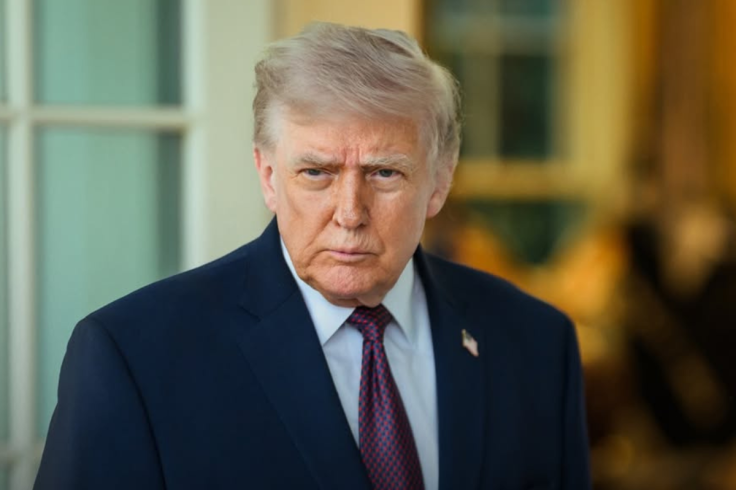
President Donald Trump has claimed the United States has drugs that can bring patients back from the dead, a statement that has sparked intense debate about the limits of medical science. The president made the remarks during a White House press event on 11 May 2026, referencing experimental treatments under the Right to Try Act.
He described cases where patients who had received last rites recovered after being administered an unnamed drug. The assertion, made as part of a broader push for innovative medical access, has been widely shared on social media and drawn both excitement and scepticism from the public and scientific community alike. The comments have left many wondering what the real science is behind such assertions.
Trump Describes Dramatic Patient Recovery
The president was promoting the Right to Try Act, which he signed into law in 2018 to give terminally ill patients access to unapproved experimental drugs.
'We've taken people that were dead,' he said. 'We had a person given the last rites — gone, the kids are crying and everything — and started them on this drug. And the person became better. It works.'
No specific drug was named, and no patient details or clinical data were provided to support the claim as per reported by Futurism. The law allows bypassing some Food and Drug Administration oversight for those with life-threatening conditions who have exhausted other options, with some therapies involving development costs of $7.3 million (£5.4 million).
Experts Highlight Absence of Evidence
Medical professionals have been quick to respond, pointing out that while the claim has gone viral, it lacks verifiable evidence. A popular Instagram reel on the topic summarised the reaction by noting that experts consider it 'an unverified anecdotal claim rather than a medically established event'.
The post highlighted the absence of the drug's name, patient records or independent studies. Another Instagram clip on the subject echoed the view that there is no verified scientific evidence that any drug can bring dead people back to life.
Similar content on social media has fuelled online discussions, with some users expressing hope for breakthroughs and others demanding proof. Experts emphasise that recoveries in such cases are typically from clinical death, a temporary state where heart and breathing stop but revival is possible with prompt intervention, not from true biological death where brain function ceases irreversibly.
Understanding Resuscitation and Experimental Limits
Current resuscitation science offers no drug that can literally bring the dead back to life. In cardiac arrest, teams use CPR, defibrillators and drugs such as adrenaline to restore circulation. The Lazarus phenomenon, a rare event where patients show signs of life after being declared dead, is sometimes attributed to delayed medication effects or changes in chest pressure during CPR.
Research into near-death experiences has shown brain activity can persist or even surge up to an hour after the heart stops in some cases. Experimental approaches, including hypothermia, are being studied to extend the window for successful revival. However, once biological death is confirmed, no treatment currently available can reverse it.
As of 2 June 2026, the White House has offered no additional details or evidence to back the president's assertion on drugs that bring back the dead. The discussion has nevertheless highlighted the potential of the Right to Try programme while underscoring the importance of scientific rigour in public health claims.
© Copyright IBTimes 2026. All rights reserved.