

Trump Discusses Pre-Emptive Pardons for Inner Circle as Power Shift Fears Grow
Trump is reportedly discussing pre-emptive pardons for close allies as fears of future investigations grow.
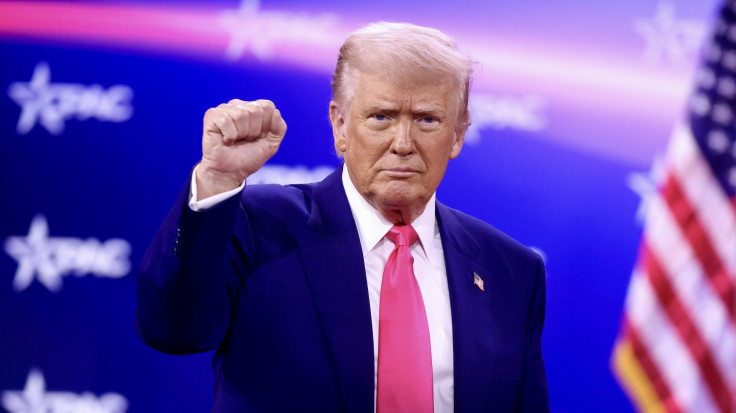
President Donald Trump and senior White House officials have reportedly engaged in preliminary discussions regarding the use of pre-emptive pardons for key allies, a move designed to shield them from potential criminal investigations under a future Democratic administration.
These talks, while described as preliminary and sporadic, suggest the White House is at least exploring far-reaching legal protections for figures within Trump's political orbit. The implications are significant: if enacted, such pardons could shield individuals from legal jeopardy before any formal charges are brought, a departure from how presidential clemency has traditionally been used.
Early Talks, Broad Ambitions
Conversations within the Trump administration have not centred on a definitive list but rather on the concept of pre-emptive clemency for those seen as politically vulnerable. According to sources, Trump's discussions include figures close to him whose actions in government might be scrutinised if a future Democratic administration assumes power.
Among the officials reportedly under consideration—although no formal list has been shared publicly—is Stephen Miller, a key White House policy architect whose tenure was marked by aggressive immigration and domestic policy initiatives. Legal experts note that Miller's role in crafting policies such as family separations and the 'travel ban' could expose him to civil and potentially criminal litigation from human rights organisations.
Critics argue that protecting such figures before any allegations or charges would erode accountability. The idea has been discussed informally among senior aides and Republican allies, with the understanding that any sweeping measure would likely occur just before a Democratic President is inaugurated.
Context: A Divided Precedent
Trump's overtures come in the wake of pre-emptive pardons issued by former President Joe Biden, who—in the closing hours of his administration—granted clemency to a range of officials, including Dr Anthony Fauci and retired General Mark Milley, to protect them from what he described as potentially 'baseless and politically motivated investigations.'
Biden's statement emphasised that the pardons 'should not be mistaken as an acknowledgement that any individual engaged in any wrongdoing.'
Those actions were met with mixed reactions. Supporters said the pardons recognised public service; critics warned of setting a troubling precedent for pardon use as a shield against political retribution.
Trump's current discussions echo those concerns, only in reverse. Instead of targeting his opponents, the talks are about shielding his allies before legal scrutiny arises.
Legal Power and Political Fallout
Under the US Constitution, the President's power to pardon is extensive, encompassing federal offences and, theoretically, even uncharged conduct. But scholars caution that the use of pardons before any indictment raises normative questions about equality before the law.
Critics argue that such pre-emptive moves could further polarise an already divided political system and fuel perceptions of double standards in justice.
Some legal analysts point to past debates over presidential immunity and pardon powers, underscoring how unprecedented this approach could be. The Supreme Court has affirmed broad presidential immunity for official acts, but aides and appointees do not enjoy the same protection, prompting debate about whether pre-emptive clemency could become a tool to circumvent accountability.
Implications for Democratic Norms
For many Americans, the idea that political allegiance could determine protection from legal scrutiny strikes at the heart of democratic norms. If Trump were to issue a slate of pre-emptive pardons for close allies and policymakers, those who feel targeted by such actions might see it as shielding political friends rather than safeguarding justice.
Opponents argue this could deepen mistrust in institutions and set a precedent for future administrations to deploy pardons not as an instrument of mercy or correction, but as a pre-emptive political shield.
With both sides of the political aisle having already used pardons in controversial ways, the upcoming discussions in Washington will be closely watched—and hotly debated—by supporters and critics alike.
© Copyright IBTimes 2026. All rights reserved.