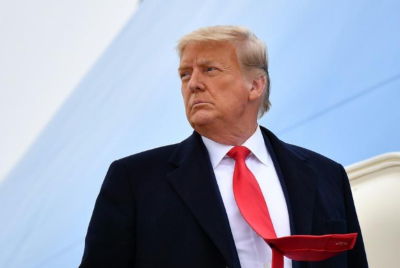
Trump Sparks Outrage by Calling Hantavirus Concerns 'False Pandemics' and Rejecting Future Lockdowns
Democratic lawmakers have demanded congressional hearings, arguing minimising the outbreak could have dangerous consequences
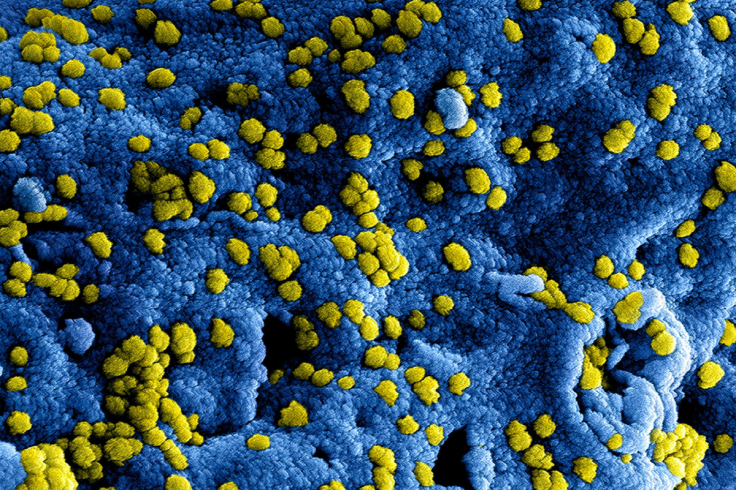
President Donald Trump has sparked outrage by calling hantavirus concerns 'false pandemics' and rejecting any prospect of future lockdowns.The president's comments surfaced on Sunday as global attention focused on an outbreak aboard the MV Hondius, a Dutch-flagged cruise ship where three passengers have died from the virus. Health authorities have confirmed the cases but emphasised that the risk of widespread transmission remains low.
Yet Trump's intervention has intensified divisions over how best to manage emerging health threats in the United States. The episode comes only days after initial reports of the cruise ship incident began circulating, reviving memories of earlier debates during the Covid-19 pandemic.
'False Hantavirus Pandemics'
Trump is reported to have told close aides that he would not entertain lockdowns or panic over what he termed 'false hantavirus pandemics.' A widely shared Instagram post detailed the president claiming that the far left aims to exploit fear in order to take away freedom from people around the world. The post has become a focal point for both supporters and detractors.
Public health experts have responded with alarm. The New York Times detailed how staffing cuts at the Centers for Disease Control and Prevention have significantly reduced the nation's capacity to handle outbreaks. With fewer epidemiologists and field teams available, officials say rapid response efforts are hampered.
The Guardian similarly highlighted that hantavirus, while not a pandemic-level threat according to the World Health Organization, exposes vulnerabilities stemming from the administration's reductions in infectious disease funding. Experts warn that these cuts leave the US less prepared than it was a decade ago.
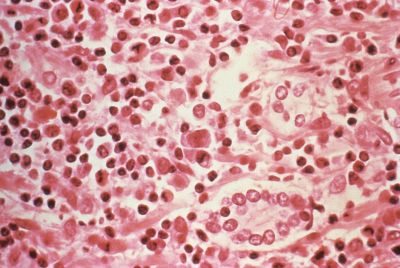
Hantavirus is a serious illness contracted through exposure to rodent urine or droppings, leading to flu-like symptoms that can progress to severe respiratory failure. In the current cluster, passengers on the MV Hondius are believed to have been exposed during excursions in rodent-prone areas of South America. Authorities stress there is no evidence of sustained human-to-human spread.
Firm Rejection Provoked Outrage
Trump's firm rejection of lockdowns has drawn praise from conservative commentators who see it as a stand against overreach. However, it has also provoked outrage among those who believe a more cautious approach is necessary to protect vulnerable populations.
Online discussions have been particularly heated. Dr Jay Bhattacharya in a CNN report sought to clarify the strategy, noting that hantavirus is not COVID and should be handled with targeted protocols. This has done little to quell the controversy.
The political fallout is evident. Democratic lawmakers have demanded congressional hearings, arguing minimising the outbreak could have dangerous consequences. Republican allies defend the president's comments as pragmatic.
Priotising Economic Stability
The hantavirus episode has brought renewed focus on the balance between individual liberties and collective health security. With midterm elections looming, both parties are positioning themselves on the issue.
Analysts note that Trump's approach aligns with his consistent messaging, prioritising economic stability and personal freedoms. The reaction has polarised opinion. Latest updates from federal health agencies indicate contact tracing is ongoing, with no lockdown plans. Trump as reported in People Magazine has reiterated the outbreak is 'very much, we hope, under control,' urging Americans not to worry unduly.
© Copyright IBTimes 2026. All rights reserved.
- Recommended For You