

North Korea Vows Immediate Nuclear Strike On Assassination Of Kim Jong Un In New Constitution
The new clauses, ensures the system can respond without Kim Jong Un's direct involvement if he is killed or unable to command
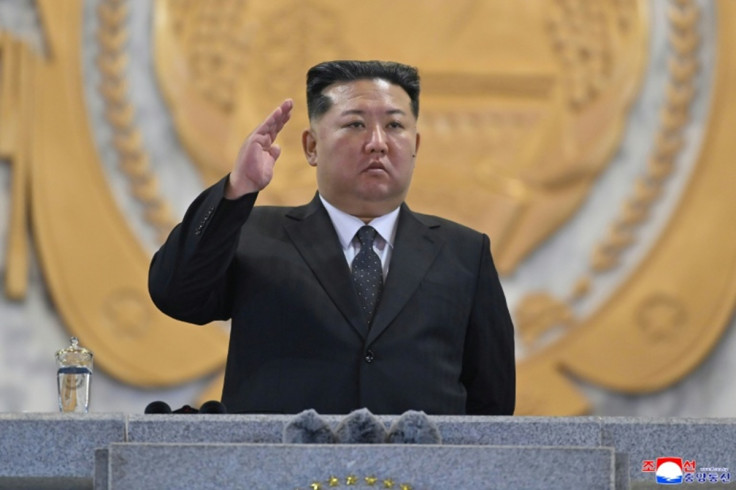
North Korea has updated its constitution to require an automatic nuclear strike if leader Kim Jong Un is assassinated or incapacitated by hostile forces. The revision was adopted during the first session of the 15th Supreme People's Assembly in Pyongyang on 22 March and confirmed by South Korean intelligence officials this week. It formalises procedures for an immediate retaliatory launch to protect the regime from decapitation attempts by ensuring the nuclear forces can respond even if the leadership is taken out in a surprise attack.
The timing is linked to the assassination of Iran's Supreme Leader Ayatollah Ali Khamenei and his advisers, an event that reportedly prompted Pyongyang to strengthen its safeguards against similar threats to its own command structure.
Constitutional 'Dead Hand' Mechanism
The updated Article 3 of the nuclear policy law as reported by Wion leaves little room for ambiguity. 'If the command-and-control system over the state's nuclear forces is placed in danger by hostile forces' attacks, a nuclear strike shall be launched automatically and immediately,' the text states.
Kim Jong Un retains authority over the nuclear arsenal as chairman of the State Affairs Commission. The new clauses, however, ensure the system can respond without his direct involvement if he is killed or unable to command, creating a built-in safeguard for continuity of operations.
This creates a constitutional 'dead hand' mechanism designed to guarantee retaliation and deter any potential aggressor from attempting a leadership strike against the North Korean state.The New York Post's verified Instagram account publicised the development, noting the connection to heightened global tensions following the Iranian incidents and drawing widespread attention online to the constitutional change.
Context Behind the Constitutional Revision
Analysts consider the change hardly a surprise given recent international events. The rapid elimination of Iranian leadership demonstrated the effectiveness of targeted strikes, raising fears in Pyongyang of similar tactics being used against Kim Jong Un and his inner circle.
The amendment follows previous constitutional updates that removed references to reunification with South Korea and redefined the border as separating two distinct states, reflecting a shift in how Pyongyang views its southern neighbour. It reinforces Kim Jong Un's push to cement the country's nuclear status, a policy repeatedly highlighted in official communications and state media over recent years as part of its defence doctrine.
Professor Andrei Lankov, a specialist at Kookmin University in Seoul, observed that the policy may have existed informally but gains new weight through constitutional enshrinement, adding a layer of legal and symbolic importance to the nuclear deterrent.
Regional and International Reaction
The policy shift has caused concern in Washington, Seoul and Tokyo, where it is seen as a significant escalation that could affect stability on the Korean peninsula and complicate efforts to manage the nuclear threat posed by the isolated state.
No official statement has been issued by Pyongyang confirming the reports, though intelligence sources describe the provision as now part of the country's fundamental law and a key element of its defence strategy against perceived external dangers.
As of 11 May 2026, the international community is closely watching for any further indications of how North Korea intends to implement the automatic strike protocol in practice, with diplomats and analysts assessing the potential impact on regional security dynamics.
© Copyright IBTimes 2026. All rights reserved.