UK Couples Miss Out On Up To £1,260 Marriage Allowance Tax Relief: Here's How To Claim Your Share
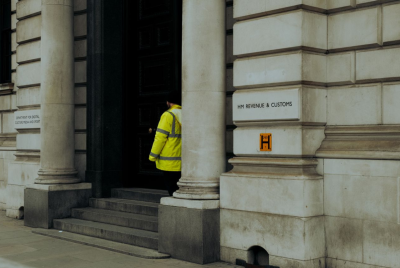
Over two million UK couples are not claiming HMRC's marriage allowance, missing up to £1,260.
More than two million married couples and civil partners in the UK are missing out on a tax break that could put up to £1,260 ($1,670) back in their pockets, and most of them likely have no idea it exists.
The marriage allowance, available since April 2015, allows one partner to transfer £1,260 of their unused personal allowance to the other. For the 2025/26 tax year, that transfer cuts the recipient's income tax bill by up to £252 ($334). Couples who have never claimed can backdate by up to four years, bringing the total to roughly £1,260, MoneySavingExpert explained.
HMRC estimates 4.2 million couples qualify and about 2.1 million currently receive it. The rest are effectively overpaying their tax.
The catch is that HMRC will not apply it on your behalf. You have to ask.
Who Can Claim The HMRC Marriage Allowance
Eligibility is narrow. One partner must earn less than the £12,570 ($16,650) personal allowance, which means they pay no income tax at all. The other needs to be a basic-rate taxpayer earning between £12,571 and £50,270 ($66,560) in England, Wales, or Northern Ireland. Scottish taxpayers qualify if they pay the starter, basic, or intermediate rate, which covers incomes up to £43,662 ($57,810).
Higher-rate and additional-rate taxpayers cannot use it. Unmarried couples living together are also excluded, regardless of how long they have been together.
It is the lower earner who must submit the application. HMRC's online tool on GOV.UK handles claims for the current tax year. You will need both partners' National Insurance numbers and two forms of ID.
Once it goes through, the allowance renews automatically every year until someone cancels it or the couple's circumstances change.
Backdating A Marriage Allowance Claim Is Worth Up to £1,260
This is where the bigger payout sits. Couples who were eligible in previous years but never applied can claim for up to four prior tax years on top of the current one. From 6 April 2026, the furthest back you can go is 2022/23.
At £252 a year, four backdated years plus the current year come to around £1,260 in total. The precise amount depends on meeting the criteria in each of those years.
There is a wrinkle, though. Backdated claims cannot be done online. You will need to fill out the MATCF form and post it to HMRC. A confirmation letter follows if the claim is accepted.
Angela MacDonald, HMRC's deputy chief executive, has said the allowance is particularly relevant for couples whose circumstances have shifted. 'Couples whose circumstances have changed - perhaps one of them has stopped working or taken a lower-paid job - may not realise they are entitled to claim,' she said, per MoneyWeek.
Frozen Personal Allowance Makes Tax Break Easier To Qualify
The personal allowance has sat at £12,570 since 2021, and the government has confirmed it will stay there until at least 2028. Wages have risen with inflation over the same period. The result is that more workers are being pulled into higher tax bands, a phenomenon known as fiscal drag.
For households where one partner has recently retired, gone part-time, or taken time off to care for children, the freeze makes it more likely they now fall below the threshold. They may have become eligible without knowing it.
HMRC data shows roughly two-thirds of people in their 60s are married or in civil partnerships, a demographic that stands to benefit the most as one partner winds down their working life.
The allowance does not show up on a credit file and has no bearing on other benefit claims. If a partner dies, the surviving spouse can still apply for the year of death and backdate up to four years.
HMRC's online calculator on GOV.UK can confirm eligibility in about 30 seconds.
© Copyright IBTimes 2026. All rights reserved.
- Recommended For You