UK Court Jails Man for Racist Tweets Seen Only 33 Times, Sparking Free Speech Debate
Court says low reach did not reduce risk of inciting violence
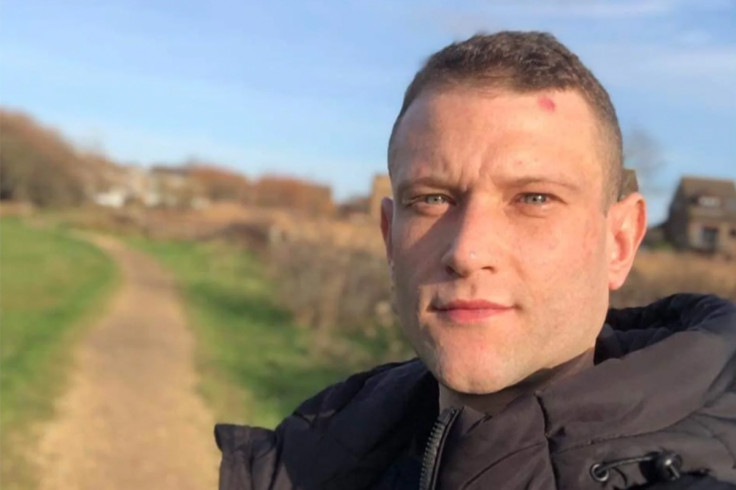
A UK court decision to jail a Dorset man for racist tweets seen only 33 times has reignited debate over the limits of free speech and how the law treats online incitement.
Luke Yarwood, 36, received an 18-month prison sentence after pleading guilty to two counts of publishing material intended to stir up racial hatred. The posts were written in the aftermath of the December 2024 Christmas market car attack in Magdeburg, Germany, an event that fuelled widespread misinformation online.
Despite the limited reach of the tweets, the court ruled that their content crossed a legal threshold due to explicit calls for violence.
What the Tweets Said and Why They Led to Jail
According to reporting by the Daily Mail on the Luke Yarwood racist tweets case, Yarwood responded to social media posts about immigration by urging people to burn down hotels housing asylum seekers.
In a second post, written weeks later, he called for violence in the streets and demanded attacks on migrant accommodation, MPs' homes, and Parliament. Prosecutors described the two tweets as bookends to a broader pattern of hostile posts made over a month.
Although the two offending tweets were viewed only 33 times, the court heard that other posts from the same period attracted more than 800 views. Prosecutors also noted that Yarwood replied directly to larger accounts, including GB News, whose posts reached far wider audiences.
Judge Says Reach Does Not Remove Responsibility
Judge Jonathan Fuller KC rejected the argument that the low view count reduced the seriousness of the offence. He told the court that freedom of speech in the UK is a qualified right and does not extend to encouraging violence or stirring racial hatred.
He described the tweets as 'odious in the extreme' and said they were clearly designed to incite harm. In his ruling, he added that such conduct undermines the safety and stability of communities, regardless of how many people initially see the posts.
Details of the sentencing were also confirmed by GB News coverage of the Bournemouth court ruling, which reported that Yarwood showed a fixation on immigrants and Islam during the offending period.
Defence Argues Tweets Had No Real Impact
Yarwood's defence barrister told the court that the posts amounted to angry outbursts from a socially isolated man with fragile mental health. He argued there was no evidence of real-world consequences and stressed that the tweets reached a tiny audience.
The defence also highlighted that the posts were reported to the police by Yarwood's brother-in-law following a family dispute. He said his client no longer held the views expressed and accepted that they were ignorant and offensive.
However, the judge ruled that immediate custody was the only appropriate response due to the explicit nature of the calls for violence.
Comparisons Drawn With Earlier Cases
Prosecutors compared the case to that of Lucy Connolly, who was jailed in 2024 after calling for asylum hotels to be set on fire following the Southport killings. While officials accepted the immediate risk of disorder was lower in Yarwood's case, they argued tensions around asylum accommodation remain high across the UK.
Courts were told that protests outside migrant hotels continue to require policing and that online rhetoric can contribute to real-world harm, even when initial engagement appears limited.
Why the Case Has Sparked a Wider Debate
The sentence has prompted questions about proportionality and free expression in the digital age. Critics argue that jailing someone over posts with minimal reach risks criminalising speech rather than addressing intent. Supporters of the ruling counter that calls for violence cannot be dismissed based on audience size alone.
Legal experts note that the case reinforces an existing principle in UK law. The focus is on content and intent, not popularity. A post designed to incite violence remains unlawful even if few people see it.
What the Ruling Signals Going Forward
The case sends a clear message about how UK courts view online incitement. Social media posts are treated as public acts, and limited engagement does not shield authors from criminal responsibility.
As online platforms continue to shape public debate, the ruling is likely to be cited in future cases involving extremist or violent rhetoric. For now, it has placed the balance between free speech and public safety firmly back into the national conversation.
© Copyright IBTimes 2026. All rights reserved.
- MOST POPULAR IN Trending