Europe's 'Once-in-a-Generation' Wildfires Could Now Strike Every Six Years, Scientists Warn
New research highlights rising wildfire risks across Europe amidst climate change
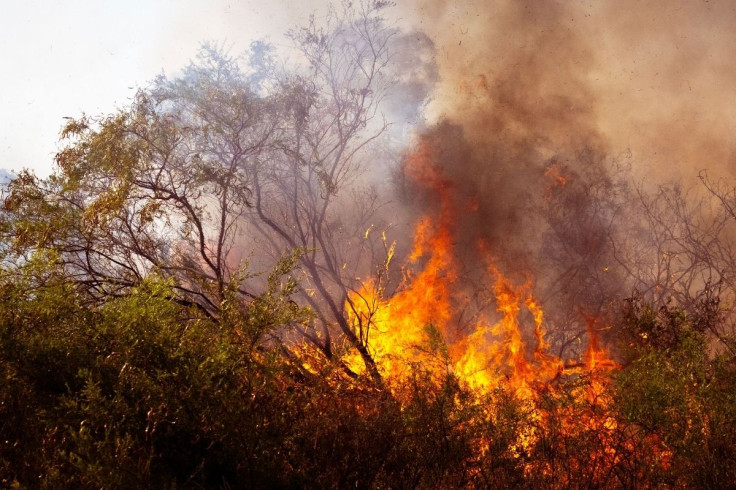
Scientists are warning that the devastating wildfires sweeping across parts of Europe may no longer be rare events, with new research suggesting that what was once considered a 'once-in-a-generation' fire season could now occur every six years because of climate change.
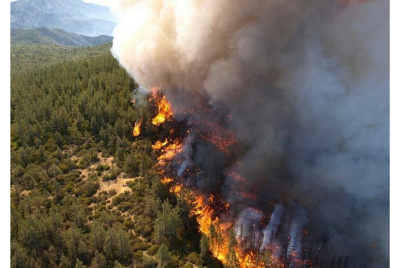
The warning follows a summer marked by major wildfires across France, Spain, Italy and Greece, where extreme heat, drought and strong winds have fuelled some of the continent's most destructive blazes. Researchers say the conditions driving the fires are becoming significantly more common, raising concerns that Europe is entering a new era of heightened wildfire risk.
The findings come after hundreds of thousands of people were evacuated from wildfire zones this month, while vast areas of forest, farmland and residential communities were damaged or destroyed.
Scientists Alarmed by Changing Fire Patterns
Researchers from the World Weather Attribution (WWA) initiative found that climate change has dramatically increased the likelihood of the hot, dry and windy conditions that fuel major wildfires.
According to the analysis, weather conditions linked to recent fires in central Spain are now around 20 times more likely because of human-caused climate change, while similar conditions in southwestern France are roughly twice as likely as they would have been without global warming.
Scientists described the trend as deeply concerning because regions that previously experienced major fire seasons only occasionally are now seeing dangerous conditions far more frequently.
Extreme Fire Weather Becoming More Common
Separate research published this week found that the number of days with extreme wildfire conditions in parts of southern Europe has more than doubled since the 1980s.
The study reported that fire-prone summer days increased from around 10 days per year to approximately 25 days annually, while the intensity of those conditions has risen by about 50% in some areas. Researchers said the combination of prolonged heatwaves and drought has created ideal conditions for fast-moving and difficult-to-control fires.
Experts noted that a wet winter followed by a hot, dry summer can worsen the problem by producing large amounts of vegetation that later becomes highly flammable fuel.
Europe's Firefighters Face Growing Challenges
Emergency officials across Europe have warned that increasingly severe wildfire seasons could place firefighting resources under unprecedented strain.
The European Union's Emergency Response Coordination Centre has already expressed concerns about the possibility of a continent-wide 'overload' scenario if multiple major fires occur simultaneously. Several countries have required international assistance during recent wildfire emergencies, including aircraft and specialist firefighting teams.
Scientists say improved forest management and emergency planning remain important, but they caution that adaptation measures alone may not be enough if temperatures continue to rise.
A Warning About Europe's Future Climate
Climate experts increasingly view this summer's fires as a glimpse of what Europe could face more regularly in the coming decades.
Research published in recent years has suggested that some parts of southern Europe could experience a dramatic increase in the probability of catastrophic wildfires under future warming scenarios.
For scientists studying the continent's changing climate, the message is becoming clearer: extreme wildfire seasons are no longer isolated events. As temperatures continue to rise, the conditions that once produced rare disasters may become a recurring feature of European summers.
© Copyright IBTimes 2026. All rights reserved.
- Recommended For You