England Droughts Declared After Rainfall Falls to Just 7% of Normal in July
Environment Agency warns record-dry July and heatwaves have worsened water shortages
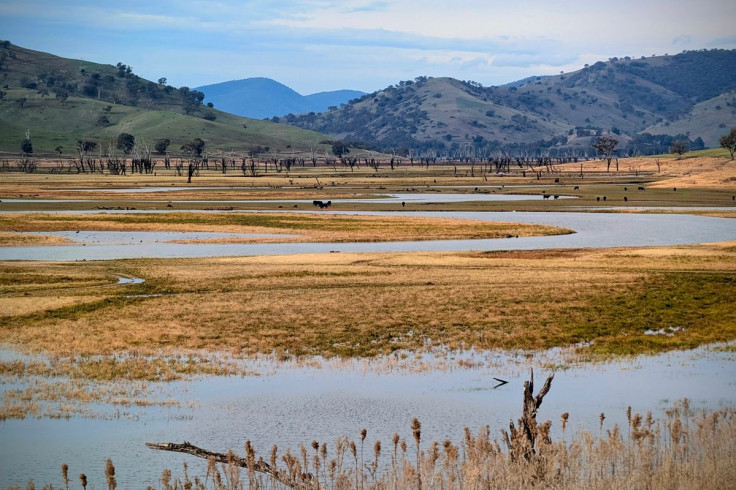
More than half of England has officially been placed in drought after the driest July on record left some parts of the country with as little as 1 per cent of their expected monthly rainfall.
The Environment Agency declared drought across seven regions covering 51.4 per cent of England after weeks of exceptionally dry weather combined with the UK's fourth widespread heatwave of the summer.
Nationally, July rainfall reached just 7 per cent of the long-term average following what the agency described as the driest July on record.
The declaration also marks England's second consecutive summer drought and the third drought affecting parts of the country in the past five years.
The agency described the conditions as a 'flash drought', which develops rapidly when prolonged low rainfall combines with unusually high temperatures to reduce soil moisture and water supplies.
Around 40 per cent of England's population is now covered by hosepipe bans across seven water company areas, while representatives from the National Drought Group, including ministers, regulators, water companies and farming organisations, have met to co-ordinate the national response.
How Severe Is the Drought?
Helen Wakeham, the Environment Agency's director of water and chair of the National Drought Group, said the hot, dry weather meant England was using water faster than nature could replenish it.
She described a second consecutive summer drought as 'an exceptionally serious situation' that would have long-lasting impacts on the environment, wildlife and the economy.
The lack of rainfall has significantly reduced water supplies across England. Reservoir storage has fallen to 7.4 per cent below the seasonal average, with almost half of reservoirs now classed as below normal. Around 78 per cent of rivers are also running below normal for the time of year, while 17 per cent are classified as exceptionally low.
What Does It Mean for Water Supplies?
An official drought declaration does not automatically introduce new restrictions for households, but it allows authorities and water companies to increase drought response measures and introduce or expand hosepipe bans where necessary.
Several suppliers have already introduced restrictions affecting millions of customers, while the Environment Agency has instructed water companies to prioritise repairing leaks and reducing water losses.
The dry conditions have also increased wildfire risk, with more than 110 wildfires recorded at protected conservation sites across England this year.
Research by Greenpeace UK found water suppliers lose around five times more water through leaking pipes than would be saved by a nationwide hosepipe ban.
Impact on Farming and Food Supplies
Farmers warned the prolonged dry spell is reducing crop yields and increasing production costs, raising concerns that consumers could face higher prices for some fresh produce if dry conditions persist.
Arable growers in East Anglia reported smaller onions, carrots and baking potatoes following months of limited rainfall, while livestock farmers have begun using winter fodder reserves earlier than usual because grass growth has slowed.
Paul Tompkins, deputy president of the National Farmers' Union, said increasingly frequent extreme weather was making food production 'harder, riskier and more costly' across the country.
The Met Office also confirmed this week that England and the UK set a new June daily temperature record of 38C at Lingwood in Norfolk after verifying official observations. Forecasters said high pressure is expected to remain the dominant weather pattern through late summer, with little sign of the widespread, sustained rainfall needed to significantly improve drought conditions across much of England.
© Copyright IBTimes 2026. All rights reserved.
- Recommended For You