UK Economy Faces Budget Cycle Strain as Iran Conflict Volatility Hits Markets
Rising oil prices and downgraded growth forecasts test the UK's fiscal plans.
Britain's fragile economic recovery is under pressure again as global tensions ripple through Westminster and the City. With the next Budget cycle approaching, rising oil prices and downgraded growth forecasts are testing the government's fiscal plans.
Treasury Chancellor Rachel Reeves had hoped her recent Spring Statement would steady nerves and show discipline. Instead, markets have reacted cautiously as investors weigh the economic fallout from the Iran conflict and the risk of inflation picking up again.
Pension funds, households and businesses are preparing for a period of strain that could shape the tone of the next Budget and influence decisions at the Bank of England.
Growth Downgraded as Inflation Risks Return
The economic picture shifted after new forecasts signalled weaker momentum. According to Associated Press, official projections show Britain's growth outlook has been cut while inflation is expected to remain higher for longer time. That complicates Reeves' efforts to balance the books.
The Office for Budget Responsibility lowered its growth forecast, pointing to persistent price pressures and global uncertainty. That leaves the Treasury with less room to manoeuvre at a time when debt interest costs are still high.
Reeves has promised to stick to her fiscal rules, including reducing debt as a share of the economy over time. Slower growth, however, means weaker tax receipts just as spending pressures refuse to ease.
For many families, talk of inflation returning is not abstract. Higher oil and gas prices linked to instability around Iran and the Middle East could filter through to fuel and energy bills. If that happens, consumer spending may slow, and that has been one of the main engines of growth in the United Kingdom.
Market Mood Turns Defensive
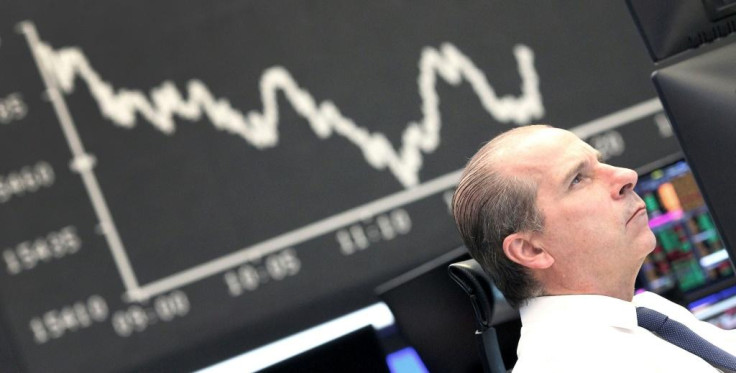
Financial markets reacted quickly. As reported by Yahoo Finance UK, UK shares fell, with London's FTSE 100 falling as investors pulled back amid global tension and economic uncertainty.
Energy price spikes have sharpened concerns. Traders worry that any escalation in the Iran conflict could disrupt supply and drive crude prices higher. That would push up transport costs, squeeze manufacturers and stretch household budgets further.
Investors are reassessing risk. Defensive stocks are drawing interest, while companies reliant on consumer demand are under pressure. The mood in the City is cautious rather than panicked, yet the shift is noticeable.
Pension funds face renewed uncertainty as well. Many schemes remain sensitive to bond yields after recent years of turmoil. If inflation expectations climb again, gilt markets could swing, affecting long term liabilities and funding positions.
Bank of England in a Tight Spot
The Bank of England now finds itself in a difficult position. Higher energy costs could slow the recent progress made in bringing inflation down. At the same time, weaker growth argues against keeping interest rates elevated for too long.
Reports indicate inflation is likely to stay above the Bank's 2 percent target in the near term. That complicates decisions for policymakers who had begun signalling that the worst of the price surge had passed.
Any sign that inflation might accelerate again could delay interest rate cuts. That would keep mortgage costs high and add further pressure on business investment.
For Reeves, this presents a political challenge. She must demonstrate fiscal discipline to reassure markets while protecting public services and supporting households facing higher living costs.
Political Stakes Rise Ahead of the Budget Cycle
The Spring Statement was meant to reinforce credibility. Reeves spoke firmly about sticking to fiscal rules and managing public finances carefully. Yet downgraded growth forecasts and global shocks have narrowed her margin for error.
Opposition parties question whether the government can meet its debt targets without further spending restraint or tax increases. Inside the Treasury, officials are modelling different oil price scenarios as they prepare for the next Budget cycle.
The risk is not just economic but psychological. Market confidence can shift quickly. If investors believe fiscal plans are slipping, borrowing costs could climb again.
For now, the UK economy sits in a tense holding pattern. Inflation is easing but not gone. Growth continues but remains fragile. Events far beyond Britain's shores are shaping decisions that will define the next Budget.
As oil markets flicker and trading screens flash red showing losses, the strain of the coming Budget cycle feels real. It appears in share prices, in pension statements and in the quiet calculations of households wondering what the months ahead will bring.
© Copyright IBTimes 2026. All rights reserved.
- MOST POPULAR IN Finance & Banking