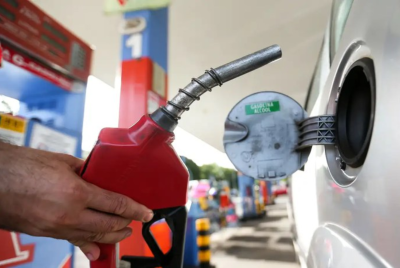
UK Driving Lessons to Get More Expensive as Iran War Sends Fuel Prices Soaring
As fuel prices climb in the wake of the Iran conflict, instructors are forced to raise driving lesson costs

Learner drivers across the UK are coming under growing financial pressure as fuel prices climb in the wake of the Iran conflict. What once felt like a straightforward step towards independence is now less certain and far more expensive.
Driving instructors are beginning to raise their prices to keep up with rising petrol and diesel costs. For many learners, each lesson now comes with a sharper cost, stretching already tight budgets and forcing some difficult decisions.
The effects are being felt quickly. Beyond the rising fees, delays, and disruptions, the whole experience of learning to drive is starting to be shaped. For thousands still waiting to pass their test, the road ahead is becoming harder to manage.
Fuel Costs Push Lesson Prices Higher
Driving lessons have always been seen as a necessary investment. Now, they are becoming harder to predict as instructors respond to rising costs.
According to The Telegraph, the rise in fuel prices linked to tensions with Iran has prompted many instructors to rethink their rates. The UK's largest body representing the profession, the Driving Instructors Association (DIA), said the rising cost of lessons is now a key concern for trainers.
Some instructors have already increased their prices, while others say further rises are likely if fuel costs continue to climb. Fuel remains one of the biggest expenses for instructors, and every hour spent on the road adds to that pressure. For smaller, independent instructors, absorbing the extra cost simply is not realistic.
Many say they have little choice but to pass some of that cost on. While they are reluctant to charge more, the steady rise in fuel prices has left them with few alternatives. Teaching learner drivers is their livelihood, and any increase in running costs directly affects their income.
Learners are feeling the impact almost immediately. Some are cutting back on weekly lessons. Others are spacing them out to keep costs manageable. A number have paused altogether, waiting to see if prices settle.
A Wider Squeeze on Everyday Driving
The rise in fuel prices is not happening in isolation. It sits within a broader increase in living costs affecting households across the UK.
Global instability has pushed oil markets higher, feeding through to pump prices. The effect spreads across transport, commuting and everyday services.
For learner drivers, it feels more immediate. Driving is often linked to job opportunities and personal freedom. Rising costs risk delaying those plans, particularly for young people already juggling rent, studies or lower-paid work.
There are also growing concerns about access. Learning to drive may become less affordable for those who need it most, widening existing gaps.
Fuel Rationing Becomes a Challenge
Alongside rising prices, industry bodies have flagged another concern, fuel rationing. The Driving Instructors Association and the Approved Driving Instructors National Joint Council (ADINJC) say this could create further complications.
As reported by the BBC, some countries have introduced measures to reduce fuel consumption and discourage panic buying. Fuel rationing limits how much drivers and consumers can buy, often in response to increased demand or price differences between countries.
So far, only a few European Union countries have taken this step. In the UK, the petrol industry has stressed there is no shortage of supply and has urged drivers to buy fuel only when needed. The British government and Fuel Industry UK have both said that petrol stations remain well-stocked with petrol and diesel.
If rationing were introduced in the UK, the Driving Instructors Association and the Approved Driving Instructors National Joint Council have urged the government to give 'priority access to fuel' to trainers and instructors.
Delays and Cancellations Add to Frustration
Rising costs are only part of the problem. The fuel situation is also beginning to disrupt schedules, creating uncertainty for both learners and instructors.
Learners have been warned they may face longer waiting times for driving tests, along with possible lesson cancellations if the situation continues, The Sun noted. Some instructors are limiting bookings to manage fuel use, while others are cutting back on how far they travel.
The Driver and Vehicle Standards Agency is already dealing with a backlog of more than one million tests following the Covid pandemic. Any further disruption risks pushing waiting times even higher.
For learners who have spent months preparing, cancellations can feel like a real setback. Progress stalls, confidence dips, and costs can rise further with each delay.
A Generation Forced to Wait
The current crisis is shaping a different experience for learner drivers. What used to be a fairly clear path from lessons to test passing now feels uncertain.
Instructors are doing what they can to adapt, but the strain is clear. Many are trying to balance rising costs with the need to keep lessons within reach. It is not an easy balance to strike.
For learners, plans are shifting. Budgets are under pressure. The goal of passing a driving test now carries more weight than it once did.
If fuel prices stay high, the effects may last well beyond the current situation. A generation of new drivers could find themselves waiting longer, paying more and wondering whether the journey is still within reach.
© Copyright IBTimes 2026. All rights reserved.
- Recommended For You