Iran-US Ceasefire Holds as UK PM Travels to Middle East for Urgent Talks
PM's visit focuses on extending the ceasefire, ensuring maritime security and stabilizing energy markets

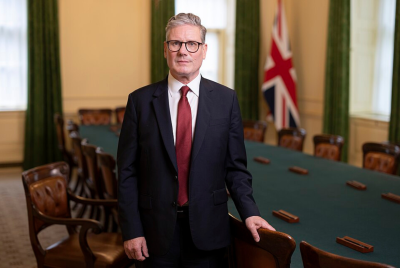
Prime Minister Keir Starmer has arrived in the Middle East for a series of diplomatic meetings as a 48-hour ceasefire between the United States and Iran approaches its expiry.
Landing in Muscat, Oman, on Wednesday, the Prime Minister is seeking to support efforts to extend the agreement and move towards a longer-term resolution. Downing Street said the visit is focused on sustaining the ceasefire, restoring stability to energy markets, and securing the continued reopening of key shipping routes.
The truce, which began late on Tuesday, has halted direct exchanges and allowed limited movement through the Strait of Hormuz. Officials say talks will centre on maintaining freedom of navigation, building on recent progress, and preventing further escalation as the deadline approaches.
Diplomatic Push To Sustain Ceasefire
According to the Prime Minister's Office, Starmer will meet Gulf leaders to reinforce support for the ceasefire and encourage a diplomatic settlement. In a statement, Starmer said, 'I welcome the ceasefire agreement reached overnight, which will bring a moment of relief to the region and the world.'
He added that the UK would work with partners to 'support and sustain this ceasefire, turn it into a lasting agreement and re-open the Strait of Hormuz.'
I welcome the ceasefire agreement reached overnight, which will bring a moment of relief to the region and the world.
— Keir Starmer (@Keir_Starmer) April 8, 2026
Together with our partners we must do all we can to support and sustain this ceasefire, turn it into a lasting agreement and re-open the Strait of Hormuz.
The visit follows UK-convened talks involving more than 40 countries, alongside a military planning meeting earlier this week, aimed at establishing a coordinated approach to protecting shipping and maintaining access through the Gulf.
Ceasefire Impact And Regional Response
The current agreement was reached after several days of indirect negotiations involving regional and international partners. It has enabled humanitarian movements and the gradual return of commercial shipping in the Gulf.
Early indications suggest the ceasefire has been observed, with vessels beginning to pass through the Strait of Hormuz after disruptions earlier in the week, including several UK-linked tankers resuming transit under improved security conditions.
However, officials caution that the situation remains uncertain. The agreement is due to expire at 23:59 BST, and no formal extension has yet been confirmed.
UK Role And Military Context
The UK has played a central role in diplomatic and security efforts linked to the crisis. The Ministry of Defence said British forces have intercepted more than 110 drones and carried out over 1,600 hours of defensive air operations in the region.
Update on UK operations in the Middle East, 7 April 2026. pic.twitter.com/3cGIIaSeSh
— Ministry of Defence 🇬🇧 (@DefenceHQ) April 7, 2026
Starmer is also expected to meet UK personnel during the visit and thank them for their role in supporting regional security and protecting British nationals and interests.
Downing Street said the UK would continue working with allies to secure a longer-term framework for maritime security, including proposals to coordinate protection for vessels transiting the Strait of Hormuz.
Economic And Global Implications
The Strait of Hormuz remains a critical route for global energy supplies, with around a fifth of the world's oil passing through it.
Recent market movements have reflected cautious optimism following the ceasefire, with oil prices easing after earlier volatility. Analysts say the continuation of the agreement will be an important factor in determining short-term price stability and broader economic confidence.
Ongoing Talks In The Gulf
Discussions in Muscat and Riyadh are expected to continue ahead of the ceasefire deadline, with diplomatic efforts focused on preventing a return to hostilities.
Officials say the priority remains extending the current agreement and establishing conditions for a more durable settlement, while maintaining the flow of commercial shipping through the Gulf.
© Copyright IBTimes 2026. All rights reserved.
- Recommended For You