

UK Bottled Water Sales Rose 67% After 'Be Ready' Campaign Launch, Research Says
Sales of hand sanitiser and tinned and jarred goods also rose as households responded to advice to prepare for three days of disruption
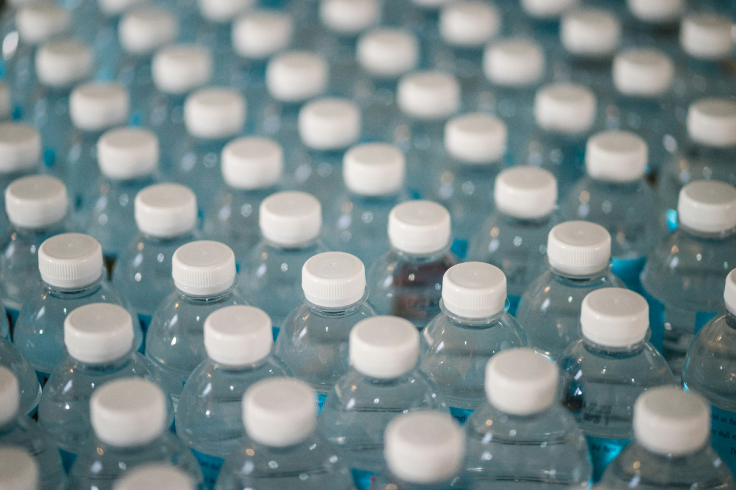
Bottled water sales rose 67% in the ten days after the Government launched its 'Be Ready' emergency campaign, according to research published by Worldpanel by Numerator on 10 November 2026.
Measured against the corresponding period last year, the rise came alongside an 83% increase in hand sanitiser sales and a 37% increase in sales of tinned and jarred goods. The campaign, launched on 22 October, encourages households to prepare for up to three days of disruption to essential services.
More Shoppers Prepared, Without Panic Buying
Worldpanel said the figures reflected more households adding recommended supplies to their regular shopping, rather than customers buying unusually large quantities.
The number of people buying tinned meat each day increased by 43% after the launch, equivalent to an additional 400,000 shoppers daily. The typical pack size, however, remained around 500g.
'Shoppers clearly took notice of the "Be Ready" campaign, but this wasn't panic buying,' Worldpanel said.
Fewer than a third of households bought bottled water during October, the research firm noted. It said the increase reflected more people adding emergency essentials to their regular shopping, in line with the Government's intention that households build supplies gradually.
The figures cover sales in the ten days following the campaign launch and compare them with the equivalent period a year earlier. They describe changes in purchases, rather than the proportion of households that have assembled a complete emergency kit.
What Three Days of Supplies Means
As IBTimes UK reported, the campaign asks households to prepare for emergencies that could interrupt access to electricity, water, telephone services or the internet. The Cabinet Office described the launch as the first stage of a three-year campaign.
The checklist recommends three litres of drinking water per person each day, equivalent to nine litres over three days. It also advises households to keep additional water for cooking and washing.
For food, the guidance recommends items that need neither cooking nor refrigeration, including tinned meat, fish and vegetables, dried fruit and nuts. Households are advised to choose familiar foods and account for individual needs, including medication, medical supplies, babies and pets.
For babies who use formula, the advice recommends ready-to-feed products, as households may be unable to boil water safely during an outage. Nappies, wipes and bottled drinking water for pets are also included on the checklist.
Grocery Inflation Edges Up Before Christmas
The increase in emergency-supply sales came as overall take-home grocery sales rose 2.2% in the four weeks to 1 November, compared with the same period a year earlier.
Like-for-like grocery price inflation reached 2.6%, up from 2.5% in the preceding four weeks, Worldpanel reported.
Retailers are entering the 'golden quarter', which includes Black Friday, Cyber Monday and Christmas. Worldpanel expects households to plan festive spending more carefully. It said Black Friday could give shoppers an opportunity to stretch their budgets on expensive purchases, while offering retailers a chance to strengthen seasonal sales.
Foodrise Warns Household Supplies Are Not Enough
Separately, nonprofit organisation Foodrise argued in October that emergency planning must address vulnerabilities across the wider food system, as well as household preparedness.
More than 180 experts, academics, farmers and community food leaders backed a letter warning the Prime Minister and First Secretary of State that no one was responsible for feeding people if food supplies failed.
The signatories highlighted threats including climate-related harvest losses, conflict affecting supply routes for agricultural chemicals and animal feed, and cyberattacks capable of disrupting distribution software.
Foodrise also cited a 2024 assessment by the Department for Environment, Food and Rural Affairs (Defra), reported by The Times, which identified a realistic possibility of catastrophic failure affecting food, water and natural ecosystems by 2030.
The nonprofit criticised corporate concentration in the food sector and Government plans to expand industrial poultry production, arguing that these developments would raise emissions and deepen dependence on imports.
© Copyright IBTimes 2026. All rights reserved.