

Ukraine Claims Russia Just Had Its Deadliest Month of the Entire War With 54,400 Casualties in October
Kyiv's estimate includes troops reported killed, wounded or missing, but has not been independently verified as fighting and attacks continue across Ukraine and Russia
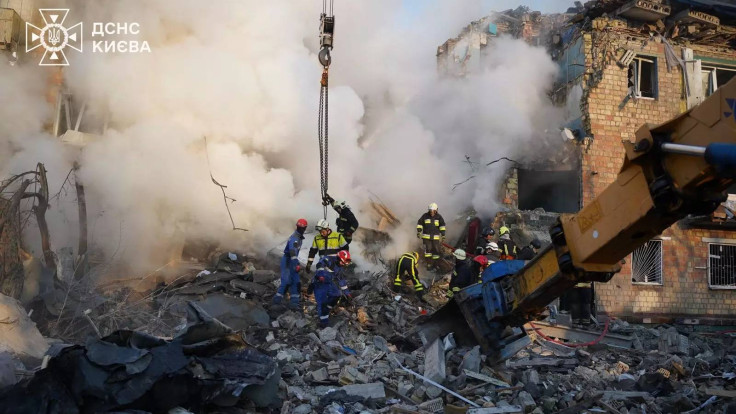
Ukraine reported on Sunday, 1 November 2026, that Russia suffered 54,400 military casualties during October, its highest monthly figure since the invasion began.
The announcement came as Ukrainian forces struck military and industrial targets inside Russia while Moscow launched fresh attacks against Ukraine's energy infrastructure.
The figures, released by Ukraine's General Staff, include personnel reported killed, wounded or missing. They do not represent confirmed deaths, and independent verification remains unavailable.
The news followed months of intense fighting across eastern Ukraine, where Russian forces have continued offensive operations despite substantial reported losses. Kyiv says the growing human cost is increasingly difficult for Moscow to replace through military recruitment.
Ukraine Says Russia's October Casualties Set New Wartime Record
According to Ukraine's military, October's estimated 54,400 Russian casualties exceeded the previous monthly record of 48,670 recorded in December 2024.
The latest figure also surpassed September's reported losses by 8,170 personnel.
'Each month of the war is becoming increasingly costly for Russia's armed forces,' Ukraine's General Staff said.
Military officials argued that Russian losses were exceeding the country's ability to replenish frontline units.
That assessment, however, remains Kyiv's interpretation of battlefield developments. Moscow has not independently confirmed the figures, while neither government publishes comprehensive, externally verified casualty statistics.
Ukraine's running estimate of Russian personnel losses has exceeded 1.5 million since February 2022. The cumulative figure includes different categories of casualties and should not be interpreted as the number of soldiers killed.
Ukrainian President Volodymyr Zelensky also reported that his forces reclaimed 96.2 square kilometres of territory during October, exceeding Russian gains by 10.4 square kilometres.
Those territorial figures, like the casualty estimates, have not been independently established.
For military planners, the unresolved question is whether rising Russian losses will translate into lasting changes along the front.
A record casualty estimate alone cannot establish that Moscow's offensive capability has been exhausted.
Russia's Reported Losses Coincide With Ukrainian Strikes on Military Targets
The casualty announcement coincided with Ukrainian drone operations against facilities inside Russian territory.
Ukrainian forces reported targeting military-related infrastructure in the southern Rostov region, including facilities associated with missile production and air-defence systems.
Russian authorities separately reported more than 100 Ukrainian drones striking the Nizhny Novgorod region, where the industrial town of Kstovo hosts major energy facilities.
Reports indicated that an industrial building was damaged and a refinery fire broke out. The full extent of the damage remained unclear.
Russia continued its own bombardment of Ukraine.
Ukrainian officials said Moscow launched 433 drones overnight, with air defences intercepting or suppressing most of them.
Nevertheless, strikes damaged energy infrastructure and left approximately 280,000 households without electricity or heating, according to Ukrainian reporting.
Zelensky accused Russia of attempting to exploit shortages of ballistic missile interceptors as colder weather approached.
The renewed attacks highlighted the pressure on Ukrainian air defences, particularly around facilities supplying electricity and heating to civilian communities.
For households already facing another wartime winter, the immediate concern was restoring essential services.
Ukraine War Continues as Oleshky Ceasefire Offers Civilians Brief Relief
Away from the main battlefronts, a temporary ceasefire provided a rare opportunity to evacuate civilians from Russian-occupied Oleshky in southern Ukraine.
The six-day arrangement, announced by the White House, was intended to allow humanitarian assistance and safe passage from the devastated town.
First Lady Melania Trump helped broker the agreement, while Pope Leo XIV also supported efforts to address the humanitarian emergency.
Approximately 1,700 to 2,000 people had remained in Oleshky before the evacuation operation, according to estimates released by the White House.
Many residents had endured severe shortages of food, medicine and clean water.
Evacuees described desperate living conditions, with some reporting that families had resorted to eating grass and garden plants.
The operation allowed residents to travel towards Ukrainian-controlled territory or Russian-held areas, depending on their circumstances and preferences.
However, the local ceasefire did not extend across the wider conflict.
Officials in neighbouring Kherson warned that Russian forces had repositioned military equipment during the pause, raising concerns about renewed shelling.
The agreement was scheduled to expire on Sunday evening, leaving civilians facing uncertainty over whether humanitarian access could continue.
Meanwhile, diplomatic efforts remained under discussion, with Ukraine insisting that any settlement must respect its territorial sovereignty.
Even as negotiators considered further talks, Russian and Ukrainian forces continued military operations elsewhere along the front.
© Copyright IBTimes 2026. All rights reserved.