

Millions of Americans Gain an Extra Hour of Sleep as Daylight Saving Time Ends for 2026
The November switch brings earlier winter sunrises and sunsets while lawmakers consider making daylight saving time permanent
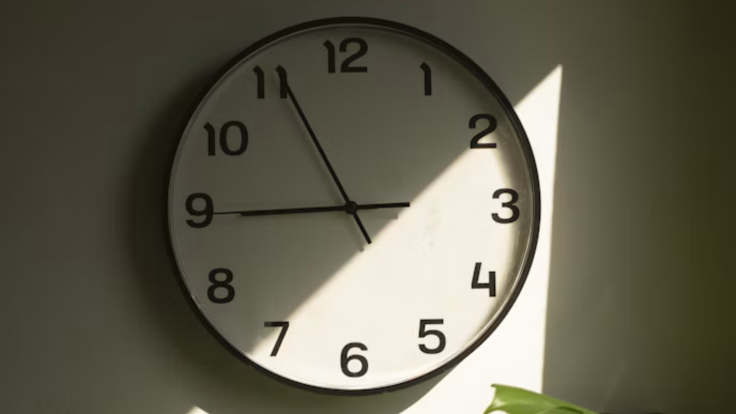
Millions of Americans had an extra hour available for sleep on Sunday, 1 November 2026, as daylight saving time ended across most of the United States. At 2 a.m. local time, clocks moved back to 1 a.m., marking the return to standard time.
The switch followed Halloween night, allowing late-night partygoers an additional hour before morning. For parents of young children, however, the adjustment could disrupt established sleep routines rather than provide extra rest.
Daylight Saving Time Brings Earlier Winter Sunrises
Daylight saving time operates from March to early November in most of the US, placing clocks one hour ahead of standard time. This shifts an hour of daylight from the morning towards the evening during the brighter months. Returning to standard time reverses that arrangement, bringing earlier sunrises and sunsets by the clock.
Boston illustrates the difference. On Saturday, 31 October, the sun rose at 7:16 a.m. and set at 5:39 p.m. For Sunday, 1 November, sunrise was listed at 6:17 a.m. and sunset at 4:37 p.m. The change alters clock time, not the amount of daylight.
The practice dates to 1918, when the US adopted daylight saving time during the First World War in an effort to conserve fuel. Congress subsequently repealed the nationwide requirement, leaving states the option of continuing the arrangement.
The country later experimented with year-round daylight saving time during the Second World War and the 1970s energy crisis. Neither arrangement lasted. Congress established uniform start and end dates in 1966, while legislation enacted in 2005 shifted the autumn change to the first Sunday of November, effective from 2007.
Daylight Saving Time Proposal Faces Senate Deadline
The latest time change arrives amid another congressional effort to end the twice-yearly clock adjustment. The Sunshine Protection Act, which would establish permanent daylight saving time, passed the House in July 2026 and was sent to the Senate.
Under the proposal, the legislation would also allow states to opt out of daylight saving time before the law takes effect.
President Donald Trump supports the legislation and has accused Republican Sen. Tom Cotton of Arkansas of delaying its progress. Trump also posted a telephone number he claimed belonged to Cotton and encouraged supporters to contact the senator. The number's ownership was not established in the available reporting.
Cotton has defended his opposition by citing the consequences of earlier experiments with permanent daylight saving time. He noted that lawmakers reversed the policy 'once Americans experienced absurdly late sunrises in the winter.'
The disagreement centres on winter daylight. Permanent daylight saving time would mean later winter sunrises and sunsets than standard time.
Bills still pending when the current Congress concludes in early January 2027 will lapse. If the Sunshine Protection Act is not approved before then, supporters would need to reintroduce legislation and obtain approval from both chambers before it could reach the president. The deadline follows the 3 November midterm elections.
Daylight Saving Time Excludes Some States and Territories
Not every part of the country adjusted its clocks on Sunday. Hawaii and most of Arizona do not observe daylight saving time, although the Navajo Nation follows the switch to stay aligned with its communities in neighbouring New Mexico and Utah.
American Samoa, Guam, the Northern Mariana Islands, Puerto Rico and the US Virgin Islands also remain on standard time throughout the year. The November change therefore does not apply uniformly across US states and territories.
Phones configured to update their time automatically should have adjusted overnight. People whose devices display an unexpected time can check their clock settings, with instructions available from manufacturers including Apple, Google and Samsung.
When Daylight Saving Time Returns in 2027
Under the current schedule, daylight saving time will resume at 2 a.m. local time on Sunday, 14 March 2027, when clocks move forward by an hour. The spring adjustment takes place on the second Sunday of March. In 2026, it occurred on 8 March.
That timetable took effect in 2007, replacing the earlier April start date. Unless Congress changes the law, the next scheduled switch will again remove an hour from the clock.
© Copyright IBTimes 2026. All rights reserved.