

What Is the Sunshine Protection Act and Will the Senate Pass Year-Round Daylight Saving?
Behind the cheery branding of the Sunshine Protection Act lies a far more uneasy question about how much daylight people really want to lose at the start of their day.
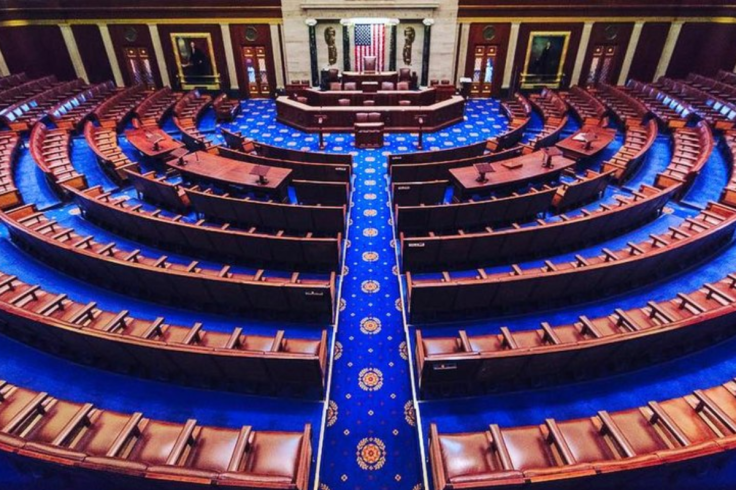
The US House of Representatives voted on Tuesday in Washington to approve the Sunshine Protection Act, a proposal to make daylight saving time permanent nationwide, but the measure now faces a far more complicated test in the Senate and at the White House. Backed strongly by Donald Trump and a bloc of Florida Republicans, the bill would end the ritual of changing clocks twice a year and lock the country into daylight saving time all year round.
The House vote 308 in favour and 117 against is only the latest twist in a century-long argument over how Americans measure their days. Congress first standardised time zones in 1918, then laid out the modern system in the Uniform Time Act of 1966, allowing clocks to 'spring forward' in late spring and 'fall back' in early autumn. That framework was last tweaked in 2005, when a bipartisan law lengthened the daylight-saving period by several weeks.
Today, most US states follow that federal template. Hawaii and most of Arizona opt out and stay on standard time all year, as do Puerto Rico, Guam, American Samoa, the US Virgin Islands and the Northern Mariana Islands. Nineteen states have passed their own laws expressing support for permanent daylight-saving time, but those statutes are essentially dormant because federal law still forbids living on daylight saving time year-round. The Sunshine Protection Act is designed to change that.
Sunshine Protection Act Tied to Trump-Era Politics
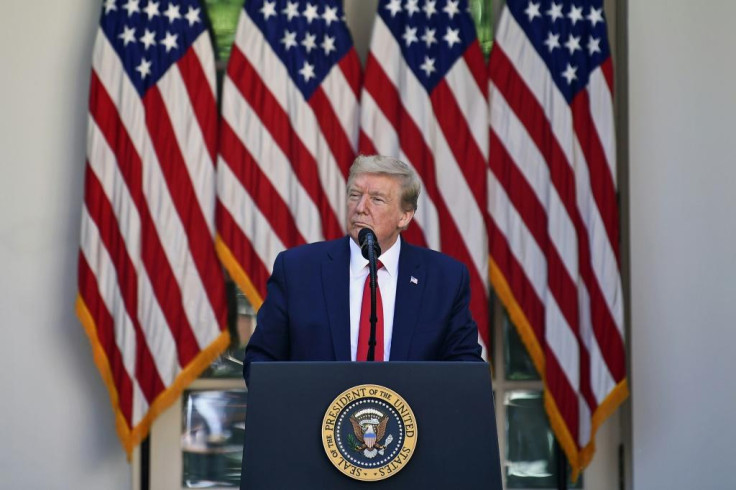
The Sunshine Protection Act is not just a lifestyle bill about lighter evenings. It is also entangled in Trump-era politics and intra-party bargaining on Capitol Hill. Trump has cast himself as the public champion of the cause, railing against what he called a 'ridiculous, twice-yearly production' of moving the clocks. In a social media post in May, he praised 'Saving Daylight' as the 'far more popular alternative,' arguing that an extra hour of evening light is an easy sell to voters. 'And who can be against that,' he added.
In Congress, Florida Republicans are carrying the banner. Representative Vern Buchanan, who represents part of the Tampa Bay area, is a key backer. Representative Anna Paulina Luna, another Republican from the same region, cosponsored the bill. Their state legislature already passed a version of year-round daylight saving in 2018, making Florida the first to formally demand permanent clock change at federal level.
The House leadership's sudden willingness to bring the Sunshine Protection Act to a vote appears to have been prompted by internal pressure. According to House Republicans, the vote was allowed as something of a sweetener for Ms Luna, who had been blocking unrelated legislation while trying to force the Senate to act on a Trump-backed voting restriction measure. Putting her clock bill on the floor helped ease that standoff.
Supporters talk in sweeping terms about benefits. Buchanan argues permanent daylight-saving time would mean more time outdoors after work, fewer people feeling dragged down by dark winter afternoons and a schedule that better matches modern working and shopping habits. Representative Gus Bilirakis, another Florida Republican, called the twice-yearly shift 'a relic of the past that no longer reflects the way Americans live, work and conduct business in the 21st century.'
Sunshine Protection Act Meets Scientific Pushback
For all the political enthusiasm, the Sunshine Protection Act runs headlong into a harder, more awkward conversation about sleep, safety and the human body. Not everyone in Congress is persuaded that chasing evening light is worth the trade-off. Representatives Mary Gay Scanlon, a Democrat from Pennsylvania, and Pat Harrigan, a Republican from North Carolina, have thrown their weight behind a rival proposal that would instead lock the nation into standard time the winter schedule now used from November to March all year.
Scanlon points to medical advice. 'Morning light is an environmental cue to set our body's internal clocks and promote alertness,' she said. 'And dim evening light tells our bodies it's time to sleep.' That argument is echoed by the Coalition for Permanent Standard Time, an advocacy group that insists standard time tracks far more closely with the body's circadian rhythm. In their view, locking in daylight saving time would mean darker winter mornings, more groggy commuters and worse health outcomes, not better.
Sleep specialists broadly back that caution, warning that while people understandably resent the jolt of changing clocks, the cure on offer may be worse than the disease. Year-round daylight saving would push sunrise to notably later hours in many parts of the country in winter.
Senator Tom Cotton, Republican of Arkansas, voiced regret on the Senate floor last year that he had not objected when a similar proposal, led by then-Senator Marco Rubio, sailed through the chamber in 2022. Permanent daylight saving, he argued, would 'push winter sunrises to an absurdly late hour, depriving Americans of morning sunshine that's essential for our safety and well-being.'
Congress has been here before. In 1974, the United States experimented with ditching the clock changes and adopting a form of permanent daylight-saving time, only to backtrack amid widespread public discontent. More recently, Rubio's 2022 bill to make daylight saving time permanent cleared the Senate unanimously but then died without action in the House a reversal of the current situation.
The new Sunshine Protection Act now heads in the opposite direction, from House to Senate, where its prospects are uncertain at best. Senator John Barrasso of Wyoming, the chamber's No 2 Republican, told reporters that 'we'll see what happens when it gets here,' and declined to say whether he personally supports the move.
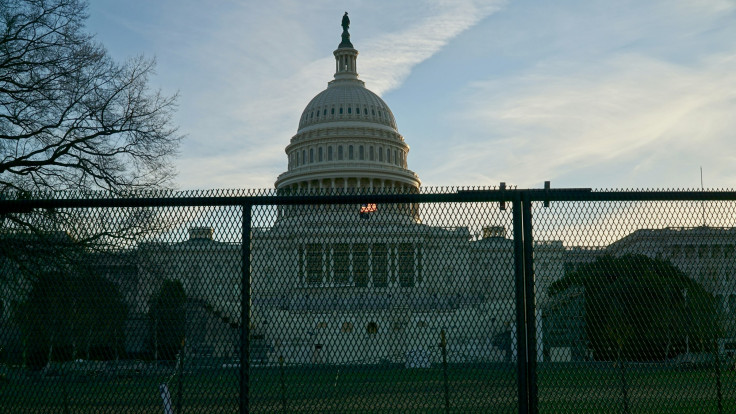
He noted that the impact of permanent daylight-saving time would vary sharply depending on geography and hinted that some senators will be alive to local backlash. 'Depends where you're living in the country and the impact that it would be in your own home state,' he said. 'So, it's not as simple as what one state might like.'
If the Sunshine Protection Act were somehow to clear the Senate and secure a presidential signature, states would still be allowed to opt out and choose permanent standard time instead, provided their legislatures pass the relevant laws. Nothing is confirmed yet, though, so any forecasts about darker mornings or lighter evenings remain speculative and should be taken with a grain of salt.
© Copyright IBTimes 2026. All rights reserved.