Is a US–Iran Nuclear Deal Close? JD Vance Says Agreement Is Near but Key Issues Still Unresolved
Diplomatic talks between the US and Iran show promise, but uranium enrichment remains a sticking point.

The White House believes it is edging towards a deal with Iran after months of deadlocked diplomacy and military brinkmanship. Yet behind the cautious optimism lies the same unresolved issue that has haunted every negotiation with Tehran for decades: uranium enrichment.
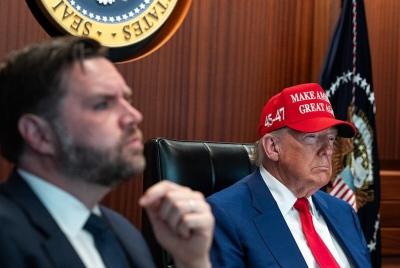
US Vice President JD Vance said on Thursday that Washington and Tehran were 'very close' to an agreement, though negotiators were still locked in difficult discussions over Iran's nuclear stockpile and enrichment capabilities. Speaking to reporters at Joint Base Andrews, Vance described the talks as constructive but unfinished.
'There are a couple of issues on the nuclear stuff, the highly enriched stockpile and also the question of enrichment,' he said. 'We do think they're negotiating, at least so far, in good faith, and we're making some progress.'
Fragile Diplomacy After Failed Talks
The current negotiations follow a failed round of face-to-face talks held in Islamabad last month, where divisions over Tehran's nuclear programme derailed discussions. Vance led the American delegation in what had been billed as the first direct peace negotiations between the two countries since 1979.
The Trump administration has maintained a hard-line demand that Iran must not enrich uranium and must surrender or eliminate its existing highly enriched stockpile. Tehran has repeatedly rejected those conditions, insisting its nuclear activities are intended for civilian energy production and peaceful research.
Still, officials on both sides appear determined to keep discussions alive. According to US sources, negotiators have outlined a tentative memorandum of understanding that would extend the already strained ceasefire for 60 days, reopen the Strait of Hormuz and create additional time for nuclear negotiations.
The Uranium Problem Has Not Gone Away
Vance avoided offering details on how a potential agreement would handle Iran's enriched uranium reserves, which remain the core obstacle.
'There are certain details that are going to have to be figured out that are going to take a little bit of time,' he said. 'Just take, for example, even if you come to an agreement on, let's say, destroying the enriched stockpile. How do you do it? When do you do it? How do you actually get access to it?'
President Donald Trump took to Truth Social earlier this week that Iran's so-called 'nuclear dust' could either be transferred to the US or destroyed at 'another acceptable location'. The remark followed reports that the administration had previously considered deploying American ground troops to secure radioactive material buried deep underground at facilities damaged during joint US-Israeli strikes last June.
The strikes significantly escalated tensions and reinforced fears that diplomacy could rapidly collapse into open conflict if talks stall again.
Tehran and Washington Still Testing Limits
Iranian officials have publicly continued to insist that enrichment is a sovereign right. For Tehran, abandoning domestic enrichment entirely would represent a major political concession at home and a symbolic retreat internationally.
Washington, however, sees enrichment capacity itself as the central danger. The concern is not only current stockpiles but how quickly Iran could potentially move towards weapons-grade capability if negotiations break down in the future.
The emerging memorandum reportedly includes a commitment from Tehran that it will not seek to develop a nuclear weapon. Similar assurances have appeared in previous agreements only to unravel later amid disputes over inspections, compliance and enforcement.
'We're getting to a point where we could potentially sit down and settle these issues, but that requires us to make a little bit more progress,' Vance said. 'I can't guarantee that we're going to get there, but right now I feel pretty good about it.'
© Copyright IBTimes 2026. All rights reserved.
- Recommended For You