Vance's Bid to Distance Himself from Iran Quietly Blew Up in His Face
Vice President JD Vance's attempts to distance himself from the Iran war have backfired, complicating his political future

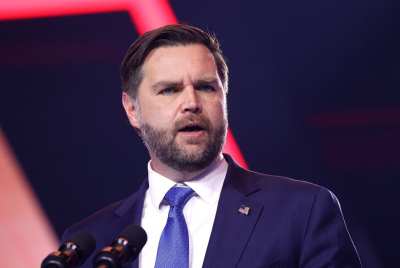
Vice President JD Vance spent weeks trying to quietly signal his opposition to the Iran war through anonymous leaks, according to Salon writer Amanda Marcotte. And it has made his situation considerably worse. What began as a behind-the-scenes effort to protect his political standing has instead pulled him deeper into a conflict he never wanted.
Amanda Marcotte argued on Monday that Vance saw the Iran war coming and understood the damage it could cause. Not out of principled opposition to the conflict, but out of political self-preservation. 'At 41, the vice president has enough wits about him to see what was very obvious, something the Trump has refused to see: that this war would be a political debacle for the administration — and for Vance's future plans to run for president,' Marcotte wrote.
Leaking Against the War Only Backfired
According to Marcotte, Vance or those close to him had been feeding journalists flattering accounts of his alleged resistance to the war, resulting in reports that he had actively tried to talk Trump out of launching it. The stories were likely true, she noted, but the strategy has clearly not worked in his favour.
'Vance's efforts to discreetly paint himself as opposed to the war, though, are backfiring,' Marcotte wrote. Those anonymous briefings, rather than creating distance between Vance and the conflict, appear to have done the opposite. Iranian leaders reportedly demanded Vance's presence at the negotiating table precisely because they had read those same reports suggesting he was against the war — and wanted to deal with him directly.
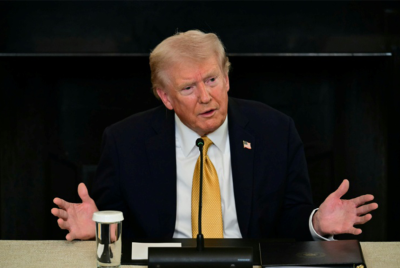
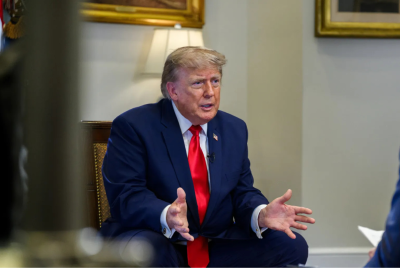
The result was that Trump appointed Vance to lead the US peace delegation, sending him to Islamabad in April to front negotiations that ended without agreement. While Vance was striding toward planes and standing before podiums to explain why talks were stalling, Trump remained in Washington, fielding reporters' questions.

Publicly Pro-War, Privately Against It
Vance has continued to back the war publicly, even as the anonymous briefings against it have continued. Marcotte noted the contradictory position Vance now occupies — praising Trump loudly in public while those around him whisper the opposite to reporters.
To manage the fallout from the leaks, Vance reportedly praised Trump over a temporary Israel-Lebanon ceasefire during a walk to the West Wing in front of waiting cameras. The effort to visibly demonstrate loyalty, however, has done little to resolve the underlying tension.
Parker Molloy, writing in her Present Age newsletter, argued that the media was amplifying anonymous pro-Vance leaks that directly contradicted his own public statements, framing him as a war sceptic while he was simultaneously defending the conflict on camera.
Stuck With a Boss Who Won't Take the Loss
Even if Vance were a skilled diplomat, his position was always going to be extraordinarily difficult. Barbara Slavin, an Iran specialist and distinguished fellow at the Stimson Center, told the Christian Science Monitor that the chances of a breakthrough appeared slim given how far apart the two sides' demands were. 'That could put Mr Vance in a near-impossible situation as Mr Trump seeks an exit strategy from the war,' she said.
⚡️U.S. Vice President questions Pentagon claims about success in the Iran war, — The Atlantic
— NEXTA (@nexta_tv) April 27, 2026
According to the report, Vance has privately challenged the official assessment of the conflict, particularly data on U.S. missile stockpiles.
He is said to doubt how accurately… pic.twitter.com/3ztuRZ1cXG
Marcotte put it plainly. 'Perhaps the dam will break, but right now, it seems like the vice president could be stuck for a long time in the hellhole of trying to negotiate the end of a war he didn't want with very few cards to play, and a boss who won't admit that they have been defeated,' she wrote.
Vance's entanglement in the Iran negotiations carries implications well beyond the current diplomatic impasse. With his eye widely understood to be on a future presidential run, being the public face of a stalled and unpopular war could define how voters see him for years to come. The vice president finds himself in a position where both silence and action carry political costs — and the exit, for now, remains closed.
© Copyright IBTimes 2026. All rights reserved.
- Recommended For You