Trump Says Iran Is 'Begging' For Deal With US — But Tehran Denies Direct Talks, Fueling Conflicting Claims
US president insists Tehran is seeking negotiations to end the escalating conflict, even as Iranian officials publicly deny the claim.
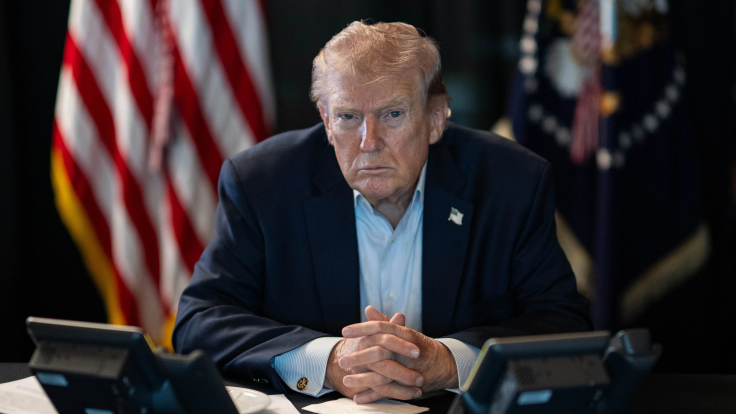
US President Donald Trump has claimed that Iran is 'begging to make a deal' with the United States, even as tensions intensify across the Middle East and diplomatic efforts to end the conflict remain fraught with uncertainty.
The comments come at a volatile moment, as Washington and Tehran navigate military strikes, economic pressure and indirect negotiations that could determine whether the crisis escalates into a wider regional confrontation or moves, however uneasily, towards de-escalation.
Speaking during recent briefings and public comments, Trump asserted that Iranian leaders were privately seeking an agreement despite publicly denying such intentions. The statement underscores the widening gap between US claims of diplomatic momentum and Tehran's repeated insistence that Washington's proposals remain unacceptable.
Trump Claims Tehran Is 'Begging' For Negotiations
Trump's latest comments came during discussions about the ongoing confrontation between the United States and Iran, where he insisted that Tehran is actively seeking negotiations with Washington.
'They are begging to make a deal, not me,' Trump said during remarks on the situation. 'They're begging to make a deal... I say they're lousy fighters but they're great negotiators.'
The president argued that Iran's leadership was pursuing diplomacy behind the scenes despite publicly rejecting US proposals. He suggested that the country's leadership was motivated by mounting pressure following military strikes and economic constraints tied to the broader conflict.
Earlier comments by Trump also framed negotiations as a necessary step for Iran. During an exchange with reporters aboard Air Force One earlier in the year, he stated that Iranian officials 'look like they want to make a deal very badly', adding that 'they know the consequences if they don't'.
The White House has repeatedly emphasised that any potential agreement must address Iran's nuclear ambitions, ballistic missile programme and regional activities.
🚨 LMFAO! President Trump just DROPPED this line on Iran
— Eric Daugherty (@EricLDaugh) March 26, 2026
"I say they're lousy fighters but great negotiators. They're BEGGING to work out a deal!"
😂😂 pic.twitter.com/ZBQO9N8bSp
Rising Military Tensions And Diplomatic Pressure
Trump's remarks come amid escalating tensions following weeks of military confrontations involving the United States, Israel and Iran. The conflict has heightened fears of a broader regional war and placed significant pressure on diplomatic channels to produce a ceasefire or negotiated settlement.
According to reports from recent White House discussions, the administration has urged Iran to accept a deal that would halt military strikes and lead to broader negotiations over Tehran's nuclear programme and regional influence.
The proposed framework reportedly includes demands that Iran abandon nuclear weapons ambitions and curb its missile capabilities, conditions that have long formed the core of US policy toward the country.
Trump has warned that failure to reach an agreement could result in continued military operations. During recent statements, he suggested that the United States would maintain pressure if Iran refused to negotiate, saying that military action would continue unless Tehran agreed to a diplomatic path forward.
These warnings reflect a strategy combining military pressure with diplomatic outreach, a familiar approach from Trump's earlier presidency, particularly during the confrontation with Iran following the US withdrawal from the 2015 nuclear deal.
Tehran Denies Seeking A Deal
Iranian officials, however, have disputed Trump's characterisation of the negotiations, rejecting the suggestion that the country is 'begging' for an agreement.
Reports from diplomatic channels indicate that Tehran has criticised the US proposal as 'one-sided and unfair', even while acknowledging that indirect discussions have continued through intermediaries.
Countries including Pakistan, Egypt and Turkey have reportedly facilitated communication between Washington and Tehran, serving as intermediaries as both sides attempt to avoid direct negotiations while exploring potential pathways to de-escalation.
The proposed US plan is believed to contain a series of conditions, including dismantling aspects of Iran's nuclear programme and limiting support for regional proxy groups. Iranian officials have indicated that these demands remain unacceptable in their current form, contributing to the stalemate.
Despite the public denials from Tehran, Trump has continued to insist that negotiations are progressing privately.
JUST IN: Iran responds on the Negotiations allegations:
— Sulaiman Ahmed (@ShaykhSulaiman) March 25, 2026
"You have reached a stage where you are negotiating with yourselves"
“Do not call your defeat an agreement.”
“There will be no news of your investments in the region, and you will not see the former price of energy and… pic.twitter.com/ufZ0GchFjF
Global Stakes Of A Potential Agreement
The outcome of any negotiations between Washington and Tehran carries significant implications for global security and energy markets.
The Strait of Hormuz, a strategic shipping route through which a large share of the world's oil supply passes, has become a focal point in the dispute. Trump has suggested that reopening the waterway and stabilising oil flows would be a key element of any potential agreement.
Energy markets have reacted nervously to developments in the region, with analysts warning that disruptions to shipping routes or further escalation could trigger sharp increases in global oil prices.
Trump has also indicated that broader diplomatic goals remain at stake, arguing that an agreement could stabilise the region while preventing Iran from acquiring nuclear weapons.
Yet the conflicting narratives from Washington and Tehran illustrate the fragile nature of the current negotiations.
While Trump portrays Iran as eager for a deal, Iranian officials maintain that the United States must make significant concessions before any agreement can be reached, leaving the path to diplomacy uncertain as tensions continue to rise.
© Copyright IBTimes 2026. All rights reserved.
- MOST POPULAR IN World