'Not a Movie': Trump Aides Panic Over 'Terrible' Plan to Invade Iran for Radioactive Material
Unverified reports suggest internal unease within Trump's administration over the possibility of US military action in Iran to recover enriched uranium.
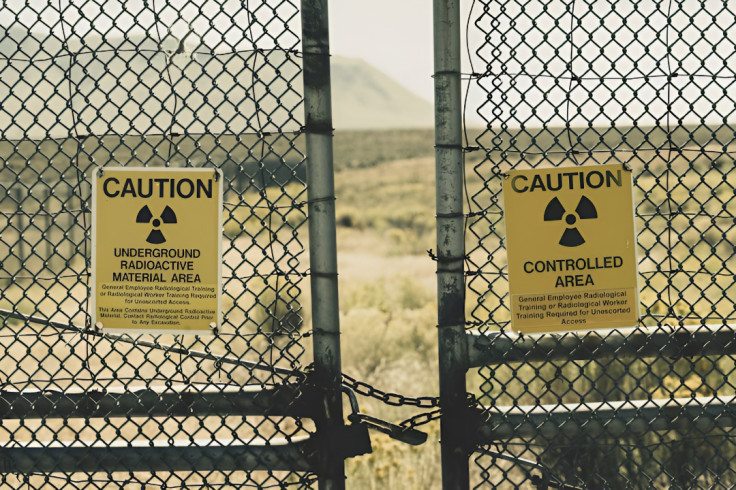
Concerns inside Donald Trump's administration have escalated over reported discussions involving the possible deployment of US forces into Iran to recover enriched uranium, according to Zeteo reporting based on unnamed officials familiar with internal deliberations. The claims describe internal unease around proposals that have not been confirmed by the White House or Pentagon and remain outside any publicly acknowledged operational planning.
The news comes after a ceasefire between the United States and Iran took effect on 8 April, following months of fluctuating tensions across the region. US policy towards Iran has shifted repeatedly during that period, with internal debate continuing over the scale and nature of pressure on Tehran's nuclear programme.
Divided Administration
The most persistent concern among officials cited in the reporting is not a single plan, but the fact that the idea itself appears to have remained in circulation. One US official described the concept of deploying troops into Iran to recover nuclear material as a 'resoundingly terrible idea,' a characterisation attributed to internal discussions rather than formal policy deliberation.
According to the same reporting, earlier thinking within policy circles included consideration of targeting Kharg Island, Iran's key oil export hub, although sources suggest attention has since shifted towards uranium-related objectives.
What exactly that shift entails is unclear. No operational order has been confirmed publicly, and neither the Pentagon nor the White House has acknowledged planning consistent with the scenarios described.
In one of the more stark comments attributed to officials, a source warned that any such operation would be catastrophic, calling it a 'mega-bloodbath.' The remark stands out in tone compared to other internal commentary cited in the reporting, though it remains an unverified account from an anonymous official.
Separate officials reportedly attempted to raise casualty expectations during internal conversations in an effort to discourage escalation. One was quoted as saying, 'We might actually be stupid enough to try it.' The line, as presented, reflects frustration rather than policy confirmation.
Iran Plan Raises Questions Over Feasibility and Assumptions
Concerns inside parts of the administration are not limited to escalation risk, but extend to operational understanding.
One official told Zeteo that the logistical reality of extracting enriched uranium may be significantly more complex than some internal discussions assume, describing the material as extensive and difficult to handle in operational terms: 'There's a lot of it, and it's f---ing heavy.' The same source rejected comparisons to cinematic special forces missions, calling it 'not the SEAL Team 6 movie that Donald Trump has in his head.'
That framing, informal as it is, reflects a broader anxiety expressed by multiple sources that the concept being discussed may underestimate the scale and duration of any such operation inside Iran.
Outside the administration, former Obama-era nuclear adviser Andrew Weber warned that extracting enriched uranium could take weeks and carry severe risk to deployed personnel. Speaking to The Telegraph, he said it would require 'a skilled team a lot of time on target' and cautioned that casualties could carry significant political consequences if sustained.
Weber's comments represent external expert analysis rather than confirmation of any US military planning. Claims referenced in the reporting that Trump has drawn parallels with previous rapid overseas operations, including an alleged operation involving Nicolás Maduro, have not been independently verified in US government records.
White House Rebuttal
Casualty figures cited in the reporting, including claims of 13 US personnel killed and about 400 wounded, remain unverified and have not been independently confirmed by the Pentagon or other official defence sources. The White House has rejected the reporting. Spokesperson Anna Kelly told Zeteo, 'President Trump is right — Iran cannot be allowed to possess enriched uranium that could quickly be upgraded to produce a nuclear weapon.'
She said anonymous sources cited in the report were incorrect and insisted the national security team remains aligned on its approach. No operational details were provided in response to the claims.
Competing Internal Accounts
The reporting itself presents a fragmented picture rather than a single coherent policy direction, with officials describing conversations that range from conceptual debate to heightened concern over escalation risks.
Some aides quoted in the report appear to view the discussions as theoretical, while others interpret the persistence of the idea as evidence it has not been fully dismissed within internal circles.
What remains consistent across accounts is the absence of any public confirmation that operational planning has been authorised. No official US defence documentation supports the existence of a deployment order or mission framework matching the scenarios described.
At this stage, the claims rest on anonymous sourcing and secondary reporting through Zeteo, with key operational details — including timing, force structure and authorisation level — remaining unverified and contested within the available accounts.
© Copyright IBTimes 2026. All rights reserved.
- Recommended For You