Pentagon Allegedly Puts Building Blocks in Place for Cuba Invasion – Just Awaiting Trump's Go-Ahead, Report Says
Pentagon positions military assets in Caribbean for possible Cuba action amid sanctions
The Pentagon has positioned key military assets in the Caribbean over recent months, creating the operational foundation for potential action against Cuba if President Trump authorises it, according to reports. A detailed account published on 27 May outlined how naval and air capabilities have been arranged to allow options including precision strikes or targeted operations against regime figures.
Trump has floated the possibility of turning attention to the island once other priorities conclude, amid a broader US campaign of sanctions and diplomatic pressure aimed at forcing political change in Havana. The moves follow the capture of Venezuela's former leader Nicolás Maduro in January and come as Washington remains engaged in the conflict with Iran.
Naval Buildup Supports Pentagon Options for Cuba
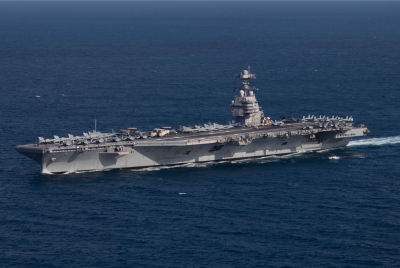
The US Navy has maintained a substantial presence in the region, including the USS Nimitz carrier strike group which entered the Caribbean in May. Accompanying assets as reported in a Politico article include amphibious ships carrying approximately 2,500 Marines and several guided-missile destroyers and cruisers capable of launching precision strikes onshore.
Advanced drones and surveillance aircraft have circled Cuba for months, while fighter aircraft are available from bases in Florida and Puerto Rico. These positioned elements would permit initial actions such as neutralising air defences or striking leadership targets, in a manner comparable to the Maduro operation.
Analysts noted that a larger ground invasion would necessitate additional troop commitments. The deployments have persisted despite the demands of operations elsewhere.
Planning Reflects Frustration with Economic Measures
US officials have grown impatient with the results from sanctions and restrictions on oil supplies to Cuba, which were tightened earlier this year following the Maduro operation. In May the administration brought in further sanctions targeting regime figures involved in repression or threats to US security under a new executive order. Reports indicated an offer of around £74.6 million ($100 million) in assistance tied to reforms, as part of efforts to spur internal change.
Secretary of State Marco Rubio described the situation in Cuba as that of a failed state posing a national security concern just 90 miles (140km) from American shores. Critics have argued the combination of rhetoric and military posturing risks creating a pretext for escalation. The Pentagon has said it plans for a range of contingencies and remains prepared to execute the president's orders as directed.
Cuba Strengthens Defences as Economy Falters
Havana has responded to rising tensions by ordering its armed forces to prepare for potential conflict and conducting nationwide defensive exercises. The island continues to grapple with severe economic pressures, including acute fuel shortages after the loss of Venezuelan oil supplies and deterrence of foreign investment. Cuban officials have rejected US accusations and vowed to defend the country's sovereignty.
Coverage shared on Instagram from news outlets has highlighted that any potential US operation would likely centre on rapid, targeted actions involving special operations teams, cyberattacks and precision strikes rather than a large-scale invasion.
Discussions on X have seen users debate the implications, with some posts stressing the need for verified information amid circulating claims.
I’d be very cautious with that claim.
— KEBBI BLOG NGN LTD 🇳🇬 (@kebbiblog) May 29, 2026
There are reports and political discussions circulating about increased U.S. military planning and contingency preparations involving Cuba, and some outlets have described Pentagon positioning and regional force deployments. However, the…
No immediate military move has been confirmed as of late May, and attention continues on whether diplomatic or economic channels might still deliver the shifts Washington seeks. The pre-positioned capabilities nonetheless provide decision-makers with a broader set of choices should the president determine that further steps are warranted.
© Copyright IBTimes 2026. All rights reserved.
- Recommended For You