Trump Puts Iran Attack On Hold As Negotiations Enter Critical Phase
US-Iran Tensions: Diplomatic Talks Delay Military Action

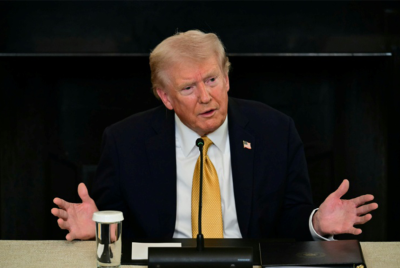
US President Donald Trump has put a planned military strike on Iran on hold as discussions continue between Washington and Tehran. The decision comes amid ongoing diplomatic efforts involving multiple regional and international actors aimed at reducing tensions and preventing further escalation in the Middle East.
According to official statements, Trump said the planned attack would be delayed to allow additional time for negotiations aimed at reaching a potential agreement. He also indicated that military preparations would remain in place should talks, per a report by Axios.
Gulf States Push for De-Escalation
Regional diplomacy played a key role in the decision. Gulf countries, including Qatar, Saudi Arabia, and the United Arab Emirates reportedly urged Washington to avoid immediate military action and instead give negotiations more time to develop, per The Guardian.
These appeals reflect growing concerns in the region that a direct strike could widen the conflict and further disrupt already fragile security conditions across the Gulf.
Officials involved in the discussions reportedly framed the delay as a narrow but important window for diplomacy.
'Serious Negotiations' Still Underway
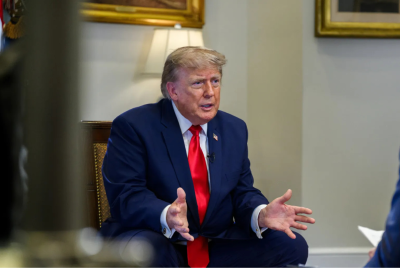
Trump described the current diplomatic effort as 'serious negotiations,' suggesting that discussions between US and Iranian representatives are still active and potentially productive. However, key disagreements remain unsolved, particularly over Iran's nuclear ambitions and security guarantees.
Trump said on 18 May that leaders of Gulf countries have reached out to him to request to 'hold off on our planned Military attack [on Iran], which was scheduled for tomorrow, in that serious negotiations are now taking place.'
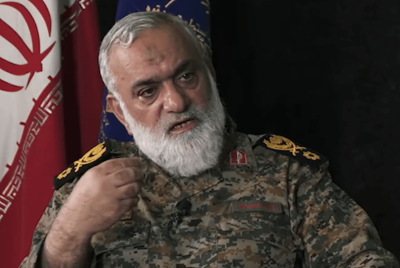
Iranian officials have reportedly insisted that any deal must include sanctions relief and economic concessions, while US negotiators continue to push for stricter limitations on Iran's nuclear programme. These competing demands remain central obstacles to a breakthrough.
Military Option Still on the Table
Despite the pause, US officials have emphasised that the military option has not been removed from consideration. Reports indicate that defence leaders have been instructed to remain ready should negotiations fail to produce a satisfactory outcome.
The White House has not ruled out renewed escalation, with officials describing the current situation as highly fluid and dependent on diplomatic progress in the coming days, per The Washington Post.
Regional Tensions Remain High
The ongoing confrontation between US-backed forces and Iran has already triggered economic disruption, particularly in global energy markets, where oil prices remain sensitive to developments in the Strait of Hormuz.
Although the temporary pause has eased immediate fears of escalation, analysts warn that the underlying conflict has not been resolved. Instead, the situation is being managed through a fragile combination of military readiness and diplomatic engagement.
Next Steps of Negotiation
The coming days are expected to be decisive. Negotiators are attempting to bridge gaps between Iran's demand for economic relief and Washington's insistence on limiting nuclear development.
While the current pause has reduced immediate risk of military action, officials on both sides acknowledge that talks could still fail, potentially returning the region to heightened confrontation.
For now, the US stance reflects a balancing act, maintaining pressure on Iran while keeping diplomatic channels open in search of a possible agreement.
© Copyright IBTimes 2026. All rights reserved.
- Recommended For You