

US Plans to Reduce Wartime Resources for Europe: Report Says NATO Might Get Fewer Bombers, Fighter Jets, and Warships
Europe urged to enhance defence capabilities as US plans to reduce military contributions to NATO
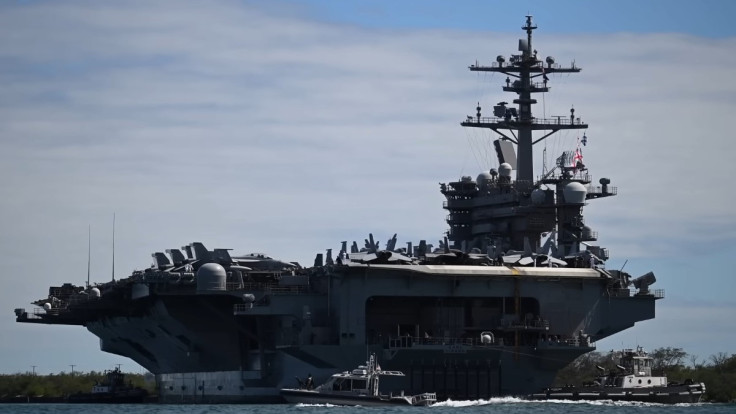
A major shift in US military planning could reshape NATO's wartime readiness and force Europe to shoulder more of its own defence burden.
The United States is reportedly preparing to reduce the military resources it would make available to Europe during a major conflict, raising fresh questions about NATO's future structure and the balance of responsibilities within the alliance.
The administration of President Donald Trump is reportedly planning to reduce the pool of US military forces and assets available to NATO during major crises or conflicts, according to sources familiar with the matter. pic.twitter.com/xnQsl072gw
— Firstpost (@firstpost) May 20, 2026
US Reportedly Plans Significant Cuts to NATO Wartime Contributions
A report based on German outlet Der Spiegel said the US intends to reduce several military assets currently earmarked for NATO under wartime planning arrangements. The proposed reductions include halving the number of strategic bombers available to the alliance and cutting fighter jet commitments by roughly one-third. The US Navy is also expected to reduce destroyer availability while ending submarine contributions under the proposed framework.
The reported briefing was allegedly delivered by US envoy Alexander Velez-Green during a closed-door meeting at NATO headquarters in Brussels last week. Officials were told that further details would be presented during a NATO force generation conference scheduled for early June.
The changes would also affect aerial support assets. Outlets report that the US plans to reduce armed drone provisions and scale back mid-air refuelling capabilities available to allies during a crisis. Europe may instead be expected to provide more of its own reconnaissance drone capacity.
Europe Faces Pressure to Expand Its Own Defence Capabilities
The reported drawdown aligns with a broader US push for European nations to become more self-reliant in defence matters.
President Donald Trump has repeatedly criticised NATO members for what he views as inadequate military spending and overdependence on Washington. His administration has previously signalled troop reductions in Europe and urged allies to strengthen their own military capabilities.
NATO Secretary General Mark Rutte recently suggested that changes in US force posture would likely happen gradually and in a structured way. He acknowledged that discussions around reducing American contributions had been underway for more than a year and linked the shift to increased defence investment from European allies and Canada.
The alliance itself has also acknowledged an 'over-reliance' on American resources in force planning. NATO officials indicated that growing defence expenditure across Europe could allow responsibilities within the alliance to be reorganised over time.
Europe must take charge of its own defence.
— European Parliament (@Europarl_EN) March 17, 2026
The EU needs a stronger single market for defence with Ukraine as a vital part of it.
Flagship EU projects need to move forward to fill serious defence gaps, Parliament says in an adopted report.
Read more: https://t.co/nS80wXJBCO pic.twitter.com/yBdYsfNz2F
Growing Security Concerns Add to the Debate
The reported plans arrive during a period of heightened anxiety across Europe over regional security and Russia's continued military posture.
Several NATO members have already expressed concern about potential reductions in US troop deployments and military commitments. European officials have reportedly sought greater clarity from Washington regarding timelines and the scope of future changes, fearing that sudden adjustments could affect deterrence capabilities.
Military leaders have also indicated that additional US troop withdrawals from Europe could occur in the coming years as European nations expand their conventional defence capacities. General Alexus Grynkewich, NATO's top military commander in Europe, recently stated that stronger European capabilities would enable the US to reduce its regional presence while focusing on critical areas that allies cannot yet provide themselves.
At present, approximately 68,000 US troops remain stationed across Europe, with a significant presence in Germany. However, ongoing strategic reviews and changing priorities appear to be reshaping the future of transatlantic defence cooperation.
NATO's Future May Depend on Europe's Response
While the reported reductions have not yet been formally implemented, they point towards a broader transformation inside NATO.
For decades, the alliance has relied heavily on American military power to support deterrence and crisis response. If the proposed changes proceed, Europe could face growing pressure to accelerate military investment, expand domestic capabilities, and assume a larger operational role.
The coming NATO meetings in June may provide clearer answers, but the message already appears evident: Europe may increasingly be expected to defend itself with fewer American resources at its disposal.
© Copyright IBTimes 2026. All rights reserved.
- Recommended For You


