US Forces Strike Southern Iran in Self-Defense, Targeting Missile Launchers and Mine-Laying Boats
Military action targets missile sites and mine-laying vessels as diplomatic efforts continue in Qatar

US forces carried out self-defence strikes in southern Iran on Monday, Central Command has confirmed, targeting missile launch sites and boats attempting to lay mines in the Strait of Hormuz. The Pentagon described the operation as a measured response to protect US troops from direct threats posed by Iranian forces.
The strikes occurred just as a high-level Iranian delegation arrived in Qatar for talks aimed at securing a lasting ceasefire in the conflict that began earlier this year. Officials stressed that the action was limited and did not indicate a breakdown in the truce. The incident comes amid delicate negotiations to end hostilities that have disrupted regional stability since February.
Strikes Target Iranian Military Assets Near Major Port
Central Command spokesperson Capt Tim Hawkins said the targets included missile sites near Bandar Abbas and Islamic Revolutionary Guard Corps boats seen setting mines. 'U.S. forces conducted self-defense strikes in southern Iran today to protect our troops from threats posed by Iranian forces,' he stated as reported by ABC7. The command added that it would continue to defend its forces while exercising restraint.
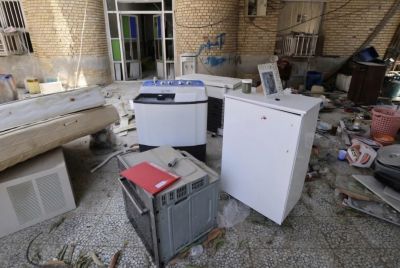
Iranian media reported explosions in the southern port area, but provided no immediate confirmation of casualties or damage levels. The operation followed reports of Iranian vessels manoeuvring in a manner that US officials deemed threatening to passing naval assets. According to accounts from US officials in a New York Post article, two IRGC boats were eliminated in the action. The strikes were conducted to counter the threat to US and allied shipping lanes.
Unclassified aerial footage released by the US military and shared on social media illustrated the precision of the strikes. A popular Instagram reel from verified news accounts described how 'US forces destroyed at least 16 Iranian mine-laying vessels on Tuesday near the Strait of Hormuz', citing Central Command's own post with video evidence.
Diplomacy Continues Despite Fresh Military Action
🚨 #Breaking Newz Alert 🚨
— BreakinNewz (@BreakinNewz01) May 26, 2026
"US Forces Strike Southern Iran Targets as Peace Talks Begin in Qatar"
➡️ The US military executed targeted self-defense strikes in southern Iran near the major port city of Bandar Abbas to protect American troops during an ongoing ceasefire agreement.… pic.twitter.com/qfrwsvKARV
Despite the military activity, diplomatic efforts in Doha proceeded without interruption. Tehran's delegation, led by Foreign Minister Abbas Araghchi and including Parliament Speaker Mohammad Baqer Qalibaf, is discussing security arrangements and the possible release of some £8.9 billion ($12 billion) in frozen assets as part of a broader package.
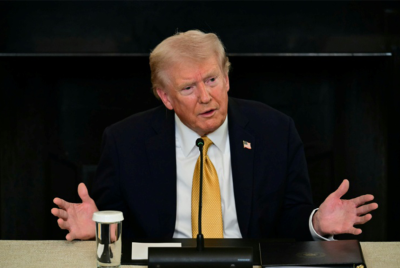
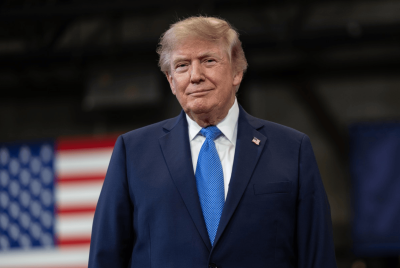
President Donald Trump has publicly pushed for a deal that would involve regional normalisation efforts, including expanded Abraham Accords participation by Saudi Arabia, Pakistan and Turkey.
The Strait of Hormuz, which carries around one-fifth of global oil supplies, remains central to the negotiations. Hawkins reinforced the defensive nature of the operation as noted in an ABC7 report noting 'U.S. Central Command continues to defend our forces while using restraint during the ongoing ceasefire.'
Iranian Reaction and Broader Regional Tensions
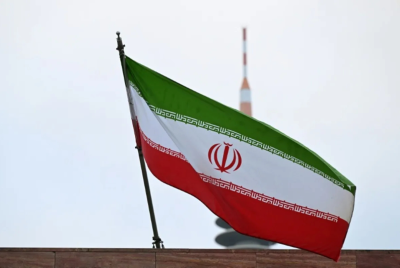
Iranian officials have characterised the strikes as an 'act of aggression' during a sensitive period, according to state television broadcasts. However, no retaliatory moves have been announced, suggesting both sides are prioritising the Qatar talks.
The current ceasefire followed intense fighting that erupted in late February after initial US and Israeli strikes on Iranian targets. It has held tenuously despite sporadic incidents, with international mediators playing a key role in preventing further escalation. Regional powers are watching the developments closely for any signs of renewed conflict.
Analysts say the latest event underscores the challenges of maintaining stability in the Gulf region, where any miscalculation could quickly escalate.
As negotiations continue into Tuesday, the outcome could determine whether the fragile peace holds or gives way to renewed confrontation. US self-defence strikes in southern Iran have again highlighted the tightrope between military vigilance and diplomatic progress.
© Copyright IBTimes 2026. All rights reserved.
- Recommended For You