FIFA Cancels Thousands of Hotel Rooms—Is the World Cup 2026 Cancelled or Just Overbooked?
Industry officials suggest FIFA's cancellations may be part of a standard overbooking strategy to ensure availability during peak demand
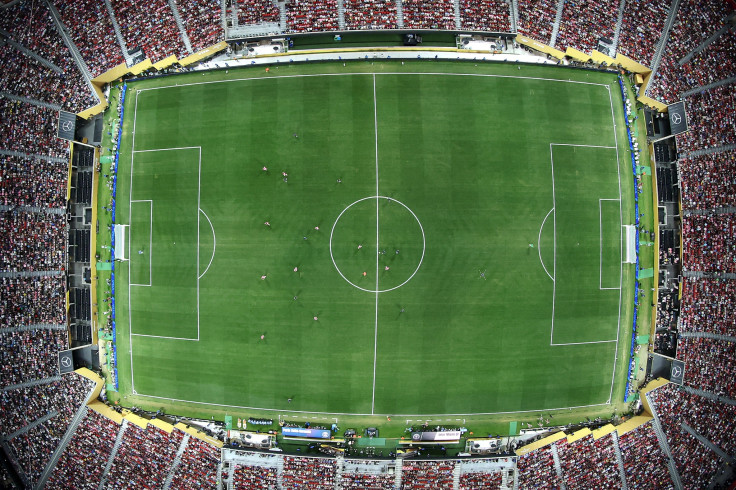
FIFA has cancelled thousands of hotel room reservations across World Cup 2026 host cities, including Philadelphia and Mexico City, raising questions about planning and demand for one of the world's largest sporting events.
The cancellations, which include around 2,000 rooms in Philadelphia alone, have sparked speculation over whether the governing body is adjusting logistics or simply correcting overbooking.
Despite the scale of the cancellations, FIFA has not provided a public explanation, leaving hotel operators and industry officials to fill in the gaps. The uncertainty comes as preparations continue for the tournament, which will be hosted across the United States, Mexico and Canada.
Thousands of Rooms Released Across Host Cities
In Philadelphia, FIFA initially reserved approximately 10,000 hotel rooms to accommodate teams, officials and fans. According to the Greater Philadelphia Hotel Association, around 2,000 of those rooms have now been cancelled, with a significant portion affecting four hotels in the city centre.
As reported by the Independent, Ed Grose, president of the association, confirmed that FIFA acted within contractual terms and did not face penalties for the cancellations. However, the organisation did not disclose the reason behind the decision.
Reports suggest that similar cancellations have occurred in other host cities. In Mexico City, around 800 out of 2,000 rooms previously reserved by FIFA were reportedly released, accounting for roughly 40 per cent of its bookings in the city.
Possible Overbooking Strategy Under Scrutiny
Industry officials have suggested that the cancellations may be part of a standard overbooking strategy used in large-scale events. Alberto Albarrán Leyva, director general of Mexico City's Hotel Association, indicated that FIFA may have initially reserved more rooms than necessary to ensure availability during peak demand.
According to Leyva, the cancellations likely reflect adjustments made after FIFA reassessed its actual requirements. He suggested that there is no additional context behind the changes, pointing instead to logistical planning.
'FIFA booked 2,000 rooms months ago to prevent (running short) and guarantee its operation,' he told ESPN in an interview. 'Over time, it canceled some reservations because it realized that it was no longer going to use them. There is no other reason or other type of context.'
Overbooking is a common practice for major international events, particularly those expected to attract millions of visitors. FIFA has projected attendance figures of between 5 and 6.5 million fans for World Cup 2026, making accommodation planning a critical part of event management.
Impact on Local Hotel Markets
The release of thousands of rooms back into the market is expected to affect hotel availability and pricing in host cities. While some industry observers say the cancellations may ease pressure on accommodation, others warn that demand from fans could still drive prices higher closer to the tournament.
Grose noted that the availability of rooms could benefit fans looking to attend matches in Philadelphia. He also pointed out that additional events, including conventions scheduled around the same time, are likely to keep occupancy levels high.
'These are rooms that are going to be put back out on the marketplace and sold to fans who want to come to Philadelphia,' Grose said.
FIFA Remains Silent on Cancellation Reason
FIFA has not issued an official statement explaining the cancellations, despite growing attention from the media and stakeholders. The lack of transparency has fuelled speculation, though there is no evidence to suggest that the tournament itself is affected.
The governing body continues to prepare for what is expected to be one of the largest World Cup tournaments in history, with matches scheduled across North America. Organisers have not indicated any changes to the tournament format or timeline.
For now, hotel operators and fans alike are left to interpret the cancellations as either a routine adjustment or a sign of evolving logistics behind the scenes of World Cup 2026.
© Copyright IBTimes 2026. All rights reserved.
- MOST POPULAR IN Sports