

UK Under-16 Social Media Ban: £9.3M Wellcome Studies To Track Mental Health Before and After Restrictions
Ten teams will study the policy's effects on mental health, sleep, friendships and activity ahead of its 2027 launch
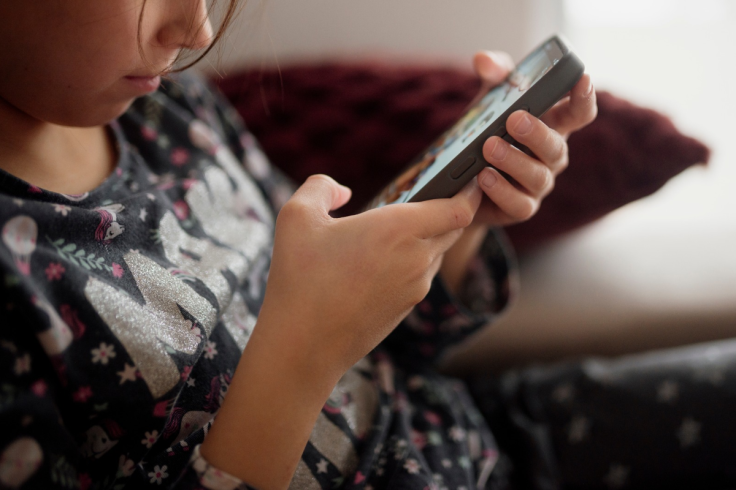
Wellcome has committed £9.3 million to research how the UK's planned social media ban for under-16s could affect young people's mental health. The programme was announced on Wednesday, 18 November 2026, ahead of restrictions expected in spring 2027.
Ten research teams aim to involve more than 300,000 young people across Britain. They will assess wellbeing before and after the changes, as well as examining sleep, friendships, physical activity and exposure to harmful content.
The Government announced the proposed ban in June and intends to lay the first regulations before Parliament by the end of 2026. It plans to follow Australia's model, which covers platforms such as Instagram, TikTok, Snapchat, YouTube, Facebook and X. The final scope of the UK rules has not yet been settled.
Researchers will examine whether restricting access protects children from online harms without cutting them off from valuable relationships. The programme will consider potential benefits and unintended consequences, and is designed to gather evidence rather than assume the policy will improve mental health.
Social Media Ban Studies Will Measure Sleep and School Life
At the University of Birmingham, professors Victoria Goodyear and Miranda Pallan will lead SMART Schools Plus, examining how restrictions relate to sleep, physical activity and experiences at school.
The team will gather evidence through interviews and surveys, and use wearable devices to measure activity and sleep.
Across the programme, researchers will also use digital diaries and social media data donated by young people. These records could help identify changes in exposure to harmful content, although changes after the ban would not, by themselves, prove it caused them.
'This is a critical moment to evaluate how a significant change to the digital world affects youth mental health,' said Dr Camilla Iannone, a research lead at Wellcome.
Social Media Ban Could Affect Young People Differently
At King's College London, Dr Gemma Knowles and Haruka Goto will investigate whether outcomes differ by gender, ethnicity, socioeconomic background and sexual orientation.
Their project will examine experiences including sexual harassment and body shaming, alongside the benefits of social connection.
Some young people use online spaces to maintain friendships or seek support. Researchers will assess whether exposure to distressing material and young people's relationships change after the restrictions. No findings from the new programme are yet available.
All 10 projects will have youth advisory boards, giving young people a role in shaping how their experiences are studied.
Families, Enforcement and the Questions Still To Come
Dr Alex Kwong's University of Edinburgh team will work with families in England, Scotland and Wales. It plans to investigate household disagreements about access and whether teenagers find ways around the restrictions.
Government guidance says messaging services such as WhatsApp and Signal are not intended to fall within the ban.
Children should retain access to learning, news and games, while certain social features on other services face separate restrictions. Stronger age checks are planned, but implementation details remain under development.
Wellcome has asked research teams to follow participants for at least a year, meaning assessment of longer-term outcomes will take time. Researchers will also need to distinguish changes associated with the restrictions from other influences on young people's wellbeing.
The findings are intended to help policymakers assess whether the rules achieve their aims and whether adjustments are needed. The expected start date is approaching, but the research will take time to establish how children and families respond.
© Copyright IBTimes 2026. All rights reserved.