

Why London's Christmas Lights Event Sparked a Backlash Over Hundreds of Phones
EastEnders star Natalie Cassidy brands screen-obsessed crowds 'scary and depressing' as viral London clip ignites debate over modern memory and phone culture
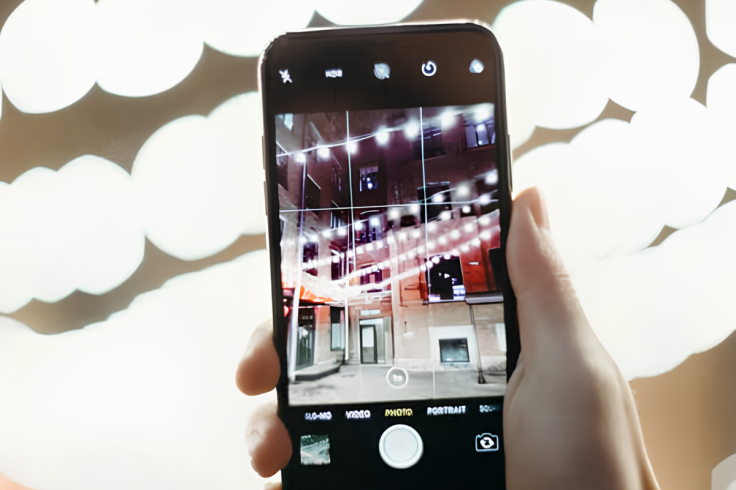
A fierce online backlash has erupted over footage from the Carnaby Street Christmas lights switch-on in London's West End after a video revealed vast crowds watching the festive display almost entirely through smartphone screens.
Captured during the annual launch event on Wednesday, 4 November 2026, the clip shared by BBC London on Instagram quickly amassed thousands of critical comments lamenting how mobile devices have replaced direct human experience at public celebrations.
Former EastEnders actress Natalie Cassidy was among prominent voices condemning the spectacle, describing the sight of hundreds of raised handsets blocking the illuminated street as genuinely scary and depressing.
'Why is this piece not mentioning the fact that no-one is looking through their eyes at this beautiful display? It's really scary and depressing,' Cassidy wrote.
As festive seasons across Britain increasingly unfold behind camera lenses, the Soho switch-on has become an unexpected flashpoint in the reclaiming of presence in a hyper-connected age.
London Christmas Lights Backlash Fuels Debate Over Phone Culture
The reaction turned into a wider discussion about how smartphones have changed the way people experience public events.
Several commenters compared the footage to the dystopian television anthology series Black Mirror, while others questioned whether people would ever return to watch the videos they had recorded.
'Remember when we used to look at stuff directly with our eyes? Those were the good old days,' one commenter wrote.
Another said: 'Not one of those videos got watched and everyone missed the moment.'
Some commenters said the sight of raised phones reflected wider frustrations about technology becoming part of shared experiences.
The debate was less about the Carnaby Street Christmas lights themselves and more about how people interact with moments they choose to record.
Research on memory and photography has examined how taking pictures can affect how people process and later remember experiences.
Cognitive psychologist Dr Linda Henkel used the term 'photo-taking-impairment' during research into the relationship between photography and memory in 2014.
The research suggested that photographing an event can influence how people pay attention to it and recall it later, although the effect depends on the circumstances and the individual experience.
Carnaby Street Christmas Lights Raise Questions About Modern Memories
Dr Kaitlyn Regehr, from University College London and the University of Toronto, said the public response to the Carnaby Street video was part of a wider conversation about smartphones and social media.
'This is not the first year that people have attended events and watched those events through screens,' she told the BBC.
'But what's significant is that this year there's a lot of critical public discourse happening. And that, I think, is really, really positive,' Regehr added.
She said the comments reflected broader concerns about the role technology plays in people's lives and how society is adapting to its influence.
The academic suggested the Christmas setting may have contributed to the strength of the reaction, as many people associate the festive season with personal memories and traditions from before smartphones became widespread.
'We, as millennial parents, have memories of Christmases prior to smartphones, [SIC]' Regehr said.
She added that some parents were becoming uncomfortable with the hold technology has over family life and children's experiences.
Regehr also pointed to wider discussions around technology, including lawsuits against social media companies in the US and proposed UK restrictions affecting younger users, as factors contributing to greater public awareness.
For critics of the footage, the issue was not simply the Christmas lights display but a broader question about whether recording a moment can sometimes mean missing the experience itself.
© Copyright IBTimes 2026. All rights reserved.