

UK Automatically Pardons Women Prosecuted for Abortions, Erases Criminal Records Without Requiring Applications
The change removes criminal liability for women but leaves abortion services regulated under the 1967 Act
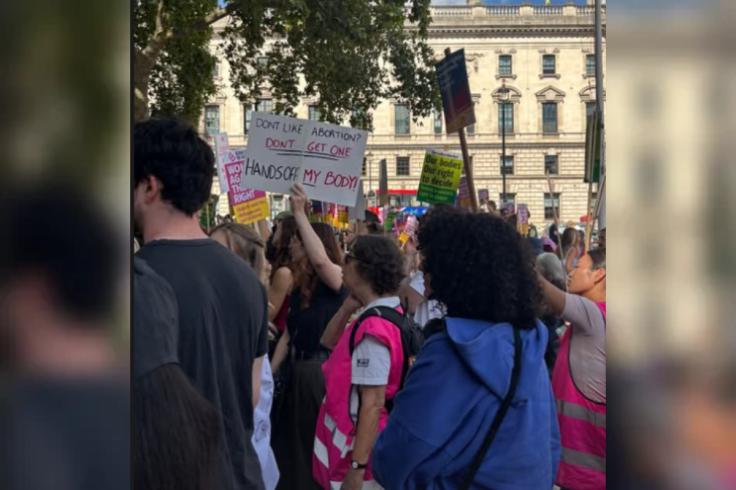
Women previously convicted or cautioned for abortion offences relating to their own pregnancies are receiving automatic pardons under a new law taking effect in England and Wales. Police and court authorities must also remove relevant details of arrests and investigations, including cases that never resulted in prosecution.
The changes came into force on 16 November under section 242 of the Crime and Policing Act 2026. No application is needed: authorities must search records they are aware of and delete qualifying information where reasonably practicable. The reform is intended to prevent historical cases from affecting employment checks and other aspects of women's lives.
Who Qualifies for a Pardon and Record Deletion
The law distinguishes between a pardon and the removal of records. Women, living or deceased, who were convicted, or cautioned for a qualifying abortion offence while acting in relation to their own pregnancy are automatically pardoned.
Separate record-deletion rules cover convictions, cautions, arrests, and investigations. A woman investigated but never charged may therefore have relevant details removed, although she is not receiving a formal pardon. The provisions cover offences under sections 58 and 59 of the Offences Against the Person Act 1861 and section 1 of the Infant Life (Preservation) Act 1929.
The rules do not apply to people prosecuted for an abortion offence relating to another woman's pregnancy. They also cover trans men who were acting in relation to their own pregnancies.
What Happens to Police and Court Records
The Ministry of Justice says police and court officials must delete relevant details they identify through reasonable searches, where they are aware of the information and removal is reasonably practicable. Court records cannot be completely erased because they are public records. Instead, relevant entries must be annotated and treated as if they had been deleted.
Authorities aim to update identified records within one month of the law taking effect, although older paper files may take longer. The department says affected people do not need to contact officials and will not be proactively notified, to avoid revealing a sensitive past event to others.
Once qualifying details are deleted, they should not appear in criminal record checks, including enhanced Disclosure and Barring Service checks. People who want confirmation can contact the Ministry of Justice's dedicated team.
The Wider Abortion Law Remains in Place
The pardons follow section 241 of the Act, which came into force at Royal Assent on 29 April 2026. It removed criminal liability for a woman acting in relation to her own pregnancy.
However, the change did not abolish the wider regulation of abortion services. The Abortion Act 1967 continues to govern access in England and Wales, including the general 24-week limit and requirements for authorised medical practitioners. Later abortions remain permitted in specified circumstances.
Labour MP Tonia Antoniazzi, who campaigned for the reform, said she expected more than 100 women to benefit, including through posthumous pardons. The Ministry of Justice has not confirmed the total number.
The Royal College of Obstetricians and Gynaecologists welcomed the change. Its president, Dr Alison Wright, said the pardons recognised the injustice of historical convictions. The British Pregnancy Advisory Service also described the reform as a meaningful step towards justice, while acknowledging that legal recognition cannot undo the distress women experienced.
© Copyright IBTimes 2026. All rights reserved.