

Trump Dismisses Ceasefire Talk and Claims Strait of Hormuz Will Unblock on Its Own
Trump rejects Middle East ceasefire amid Strait of Hormuz blockade
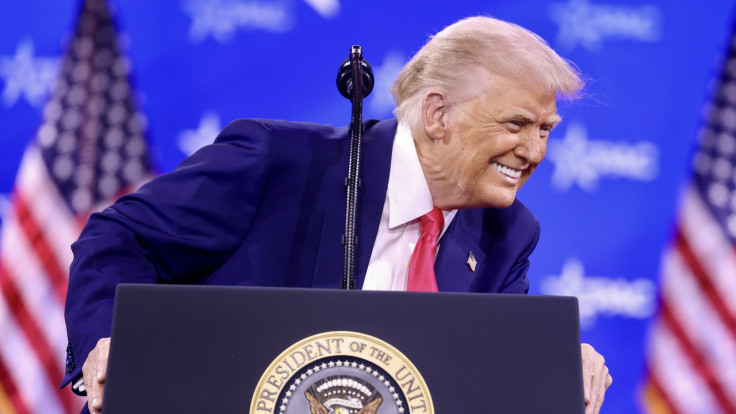
US President Donald Trump has firmly rejected the prospect of a ceasefire in the escalating Middle East conflict, delivering a stark warning before departing the White House. Speaking to the press, the president dismissed any diplomatic pauses while his administration conducts military operations against Iran.
The ongoing conflict has severely disrupted maritime trade, placing a direct chokehold on the Strait of Hormuz and driving a significant rise in global energy prices. With markets responding sharply, the White House continues deploying military assets to the region.
Why Trump Is Rejecting a Ceasefire
Trump made his position clear before boarding Marine One for his weekend departure, ruling out a truce amid the ongoing conflict with Iran and focusing instead on military objectives.
'Look, we can have dialogue, but I don't want to do a ceasefire,' Trump told reporters. 'You know, you don't do a ceasefire when you're obliterating the other side.'
When asked whether Israel would be ready to end its own conflict with Iran once the United States concludes its military action, Trump replied: 'I think so.'
How the Hormuz Blockade Is Affecting Oil Prices
The ongoing hostilities have allowed Iranian forces to heavily restrict commercial maritime traffic through the Strait of Hormuz, a passageway that normally handles roughly a fifth of global oil and natural gas flows. Brent crude oil prices have risen sharply, recently pushing past $105 (approximately £84) per barrel during overnight trading. Commercial shipping costs have also risen steeply due to elevated regional risk and insurance premiums, with the daily rate for oil supertankers navigating the waterway recently reaching $423,736 (approximately £338,988).
Why Kharg Island Remains a Primary Military Target
There is growing speculation regarding potential US operations targeting Kharg Island, Iran's major oil export hub, which processes approximately 90 per cent of the country's crude oil exports. Reports indicate the White House is considering sending hundreds of Marines to the Middle East as it weighs a plan to seize the terminal. Trump declined to confirm his specific objectives for the facility. 'I may have a plan or I may not, but how would I ever say that to a reporter?' he said.
Reporter: You said opening the strait of hormuz is a simple military maneuver. What did you mean by that?
— Acyn (@Acyn) March 20, 2026
Trump: It's a simple maneuver. You need volume. NATO could help us. They haven’t had the courage to do so. At a certain point, it will open itself pic.twitter.com/vCWLcOOfar
Trump's Criticism of the UK and NATO
Trump publicly criticised the UK, arguing the British government should have 'acted faster' in authorising the use of British bases to carry out strikes on Iranian missile sites. He also directed frustration at NATO members and China for their reluctance to help secure the waterway. 'NATO could help us, but they so far haven't had the courage to do so,' he said. 'And others could help us, but we don't use it.'
Despite escalating tensions and a glaring lack of allied military assistance, Trump remained highly confident that the maritime blockade would eventually collapse. He insisted on Friday that the crucial commercial route will 'open itself' at a certain point.
However, the president ultimately acknowledged that securing the vital route quickly would still require broader international cooperation. He noted that a 'lot of help' is needed to ensure safe passage, suggesting it 'would be nice' if dependent nations like China and Japan finally got involved.
© Copyright IBTimes 2026. All rights reserved.
- MOST POPULAR IN Politics


