

Who is Kaitlan Collins: The CNN Reporter Trump Slammed for 'Not Smiling'
From tough White House questions to primetime television, Kaitlan Collins has built her career on holding power to account.
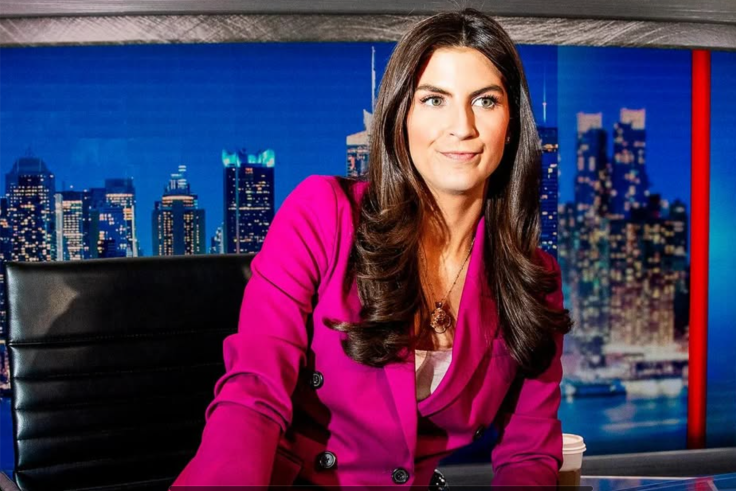
CNN journalist Kaitlan Collins found herself back in the spotlight — not for breaking news, but for being criticised by Donald Trump over her facial expression during a tense Oval Office exchange.
While questioning the president about newly released Jeffrey Epstein files, Collins was told she 'never smiles' and was branded 'the worst reporter.'
The moment quickly went viral, sparking fresh debate about press freedom, gendered criticism in politics, and Collins' growing influence in Washington.
So who exactly is Kaitlan Collins — and how did she become one of CNN's most high-profile journalists?
The Oval Office Exchange That Went Viral
On 3 February 2026, Collins pressed Trump about redactions in the Epstein documents and what they meant for survivors
Instead of answering directly, Trump focused on her demeanour, saying he had 'never seen her smile' and accusing her of dishonesty.
'Well, I'm asking you about survivors,' Collins replied, continuing her line of questioning despite being interrupted.
Later that evening, she explained on CNN that survivors were frustrated by how much information had been blacked out.
Many viewers praised her calm response, while clips of the exchange spread rapidly across social media.
Why the 'Not Smiling' Comment Resonated
For many viewers, Trump's remark echoed a familiar pattern of criticising female journalists' tone or appearance rather than their questions. Supporters argued that it showed an attempt to deflect from uncomfortable topics. Critics saw it as part of a longer-running feud between Trump and CNN.
Either way, the moment reinforced Collins' reputation as one of the administration's most persistent interrogators.
From Alabama to the White House Press Room
According to her Biography on Forbes, Collins was born and raised in Alabama and graduated from the University of Alabama. She began her career at The Daily Caller before joining CNN in 2017.

At just 25, she became one of the youngest reporters covering the Trump White House full-time. Her direct questioning style soon made her a regular presence in press briefings.
In 2021, she was named CNN's youngest-ever Chief White House Correspondent.
Since then, she has covered two administrations, major elections, international summits and political crises.
Building a Primetime Platform: 'The Source'
In 2023, Collins expanded her role with the launch of The Source with Kaitlan Collins.
The 9pm ET programme focuses on in-depth political interviews and analysis. She has spoken with figures including Volodymyr Zelensky, Benjamin Netanyahu and senior US officials.
Balancing primetime anchoring with frontline reporting is rare in broadcast journalism, and it has helped cement her status as one of CNN's leading voices.
Reputation in Washington
Within political media circles, Collins is known for being persistent, highly prepared and difficult to deflect.
She has been featured on Forbes' '30 Under 30' list and Mediaite's 'Most Influential People in News Media' ranking.
In 2025, Washingtonian named her among the city's most powerful women.
After Trump's latest remarks, CNN issued a statement praising her 'depth and tenacity'.
Salary, Visibility and Public Attention
CNN does not publish anchor salaries, but reports suggest Collins earns several million dollars annually.
Her rising profile has also made her a frequent target for political criticism, particularly from Trump and his allies.
On social media, she maintains a large following, often sharing behind-the-scenes moments from reporting and travel
Who Is Kaitlan Collins Today?
In 2026, Kaitlan Collins is firmly established as one of CNN's most visible journalists. She continues to serve as Chief White House Correspondent while anchoring a primetime programme, regularly interviewing world leaders and senior political figures. Her reporting places her at the centre of major national and international stories, and her presence in the press room remains difficult for any administration to ignore.
The clash with Trump has not slowed her momentum. If anything, it has reinforced why she has risen so quickly in a competitive media landscape. She is known for staying focused on the issue at hand, pressing for clarity, and refusing to be diverted by personal attacks.
By keeping her attention on accountability rather than confrontation, Collins once again demonstrated the approach that defines her work: calm, persistent, and rooted in facts. In today's highly charged political climate, that consistency may be exactly what continues to set her apart.
© Copyright IBTimes 2026. All rights reserved.
- MOST POPULAR IN World


