

Orcas Approach Swimmers in the Wild, But Are Humans Actually in Danger? The Truth About Their Attack Record
Documented encounters are extremely rare, while captivity has been linked to several serious incidents involving people
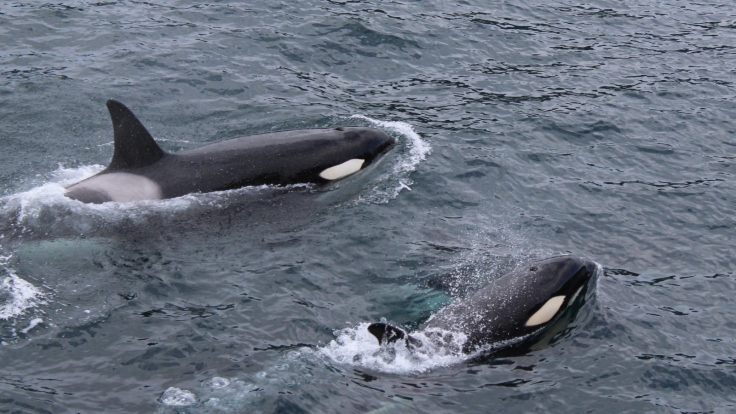
Orcas are among the ocean's most formidable predators, capable of hunting seals, dolphins and even other whales through highly coordinated teamwork. Yet when it comes to humans, their behaviour tells a surprisingly different story. Despite occasional reports of wild orcas approaching swimmers and divers, there is no confirmed record of a wild orca killing a human.
The distinction between a curious encounter and a dangerous one, however, is important. These marine mammals can weigh several tonnes, and even an accidental collision could cause serious injury.
Have Wild Orcas Ever Attacked Humans?
The documented record of encounters between wild orcas and humans is remarkably limited. According to the US National Park Service, there have been no documented orca attacks on humans in the wild.
One frequently cited incident occurred in California in 1972, when a surfer was bitten by a wild orca. The animal reportedly released him shortly afterwards. Although the incident is often discussed as an example of a rare attack, it did not result in a fatality.
Another unusual encounter occurred in Alaska in 2005, when an orca charged towards a 12-year-old boy swimming in shallow water and bumped into him without biting. Researchers have suggested that the whale may initially have mistaken the child for potential prey before recognising that he was not what it expected.
There is also an account from the eastern Canadian Arctic, reported by Inuit elders, of a man allegedly killed by an orca after approaching whales trapped in sea ice. However, researchers could not independently verify the story, and it should not be treated as a confirmed fatal attack.
The available evidence suggests that deliberate attacks on people by wild orcas are exceptionally rare, with no verified human fatalities.
Why Do Orcas Sometimes Approach Swimmers?
An orca swimming towards a person does not necessarily mean it intends to attack. Like other intelligent marine mammals, orcas can investigate unfamiliar objects and animals in their environment.
A scientific study published in Scientific Reports in 2017 examined spontaneous approaches by free-ranging orcas towards divers in Norway. The researchers observed behaviours consistent with exploratory interest, including whales moving closer and visually monitoring people in the water.
Such encounters offer an unusual glimpse into how orcas respond to humans. However, curiosity should not be confused with friendliness or a desire to interact. Scientists cannot reliably determine an animal's intentions simply from its movements.
Orcas also belong to different populations with specialised diets and hunting traditions. Experts have suggested that this dietary specialisation may help explain why humans do not appear to be recognised as typical prey.
Why Their Reputation Is Different in Captivity
The situation changes considerably when looking at orcas kept in captivity. Several captive animals have been involved in serious incidents, including fatalities.
One of the most widely known cases involved Tilikum, a SeaWorld orca associated with the deaths of three people, including trainer Dawn Brancheau in 2010.
These incidents should not be confused with the wild attack record. Captive orcas live in artificial environments and have different circumstances from those roaming the open ocean, although the precise reasons behind individual incidents can vary.
Should You Swim With Wild Orcas?
The absence of confirmed fatal attacks does not mean swimming alongside orcas is risk-free. Their enormous size and strength mean they could injure someone without deliberately attacking, particularly if they feel disturbed or a close encounter goes wrong.
Wildlife experts advise keeping a respectful distance and following local regulations. New Zealand, for example, prohibits swimming within 100 metres of whales, including orcas.
Ultimately, wild orcas have not established a pattern of hunting humans. But their peaceful record should be understood as evidence of their usual behaviour, not a guarantee of safety. Admiring them from a responsible distance remains the wisest approach.
© Copyright IBTimes 2026. All rights reserved.