

The Winds of Winter Fears Grow as Brandon Sanderson Questions George RR Martin's Tropes
Is The Winds of Winter haunted by Tolkien? Brandon Sanderson questions George R.R. Martin's fantasy tropes
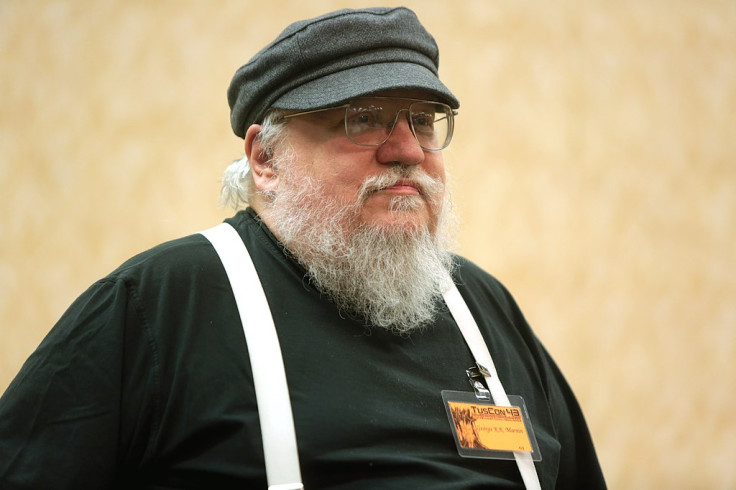
For more than ten years, the literary world has been holding its breath, waiting for one manuscript to come out of the fog. George R.R. Martin's The Winds of Winter is more than just a book; it's a cultural event that people talk about when they don't have it. But as time goes on, a thought-provoking question has begun to spread among the giants of the genre: is the very foundation that Martin built Westeros on really a gilded cage?
While fans obsess over release dates and leaked chapters, fellow author Brandon Sanderson has shed light on a 'Tolkien trap' that continues to haunt the giants of epic fantasy. Sanderson suggests that while Martin's work is legendary, its deep-rooted connection to mid-20th-century traditions might be creating a narrative bottleneck that is increasingly difficult to escape in a modern literary landscape.

Escaping the Shadow of Middle-earth and the Long Wait for The Winds of Winter
Speaking with Nerd of the Rings at the Dragonsteel Nexus, Sanderson — the prolific force behind the sprawling Cosmere universe — offered a candid assessment of how the ghost of J.R.R. Tolkien still looms over modern writing desks. For decades, the towering achievement of The Lord of the Rings served as the sole blueprint for success. Writers were expected to populate their worlds with familiar tropes: the noble quest, the ancient dark lord and the ubiquitous presence of elves and dwarves.
'That generation kind of did a lot of very Tolkien,' Sanderson remarked, reflecting on the authors who preceded him. 'My generation responded against. And I think responding against can be as flattering, I hope. It's not like, "Oh Tolkien was so awful." It was, "Look, we've got to take this genre to new places. We can't spend forever in his shadow"'.
This 'shadow' is precisely where many believe Martin's A Song of Ice and Fire series resides. While Martin famously subverted Tolkien's idealism with gritty realism and political backstabbing, the DNA of his world remains inextricably linked to the traditions established in the mid-20th century.
Sanderson explicitly pointed out that the first three volumes of Robert Jordan's The Wheel of Time were heavily reminiscent of Tolkien, and he sees a similar pattern in Martin's reliance on historical political intrigue — a style that captured readers' interest at the time but may now feel restrictive.
The problem, however, is that while Sanderson has the freedom to pivot toward entirely new magic systems, Martin is locked into a narrative started in 1996 — a narrative that must eventually pay off its high-fantasy debts.
Why The Winds Of Winter Faces an Uphill Battle Against Genre Clichés
The struggle for The Winds of Winter isn't just about the complexity of the 'Meereenese Knot' or the sheer number of character arcs; it is about the evolution of the genre itself. On his website's FAQ page, Sanderson has argued that epic fantasy has yet to hit its true 'golden age' because it remains tethered to the same narratives and clichés.
He expressed personal frustration as a reader, stating that he finds it upsetting to encounter the same repetitive narratives inspired by the past, which is why he has consciously decided to avoid writing about traditional fantasy races.
The challenge is much more personal for Martin. He says he is a follower of Tolkien and often cites 'The Scouring of the Shire' as a major influence on how he builds his own worlds. But as the magic part of the story starts to take over in the sixth novel, the 'Tolkien tropes' are getting harder to ignore. The looming threat of the Others (the White Walkers) mirrors the existential dread of Sauron's armies, and the shifting alliances between Great Houses echo the ancient treaties of Middle-earth.
The timeline of the series highlights the mounting pressure:
- A Game of Thrones (1996)
- A Clash of Kings (1998)
- A Storm of Swords (2000)
- A Feast for Crows (2005)
- A Dance with Dragons (2011)
- The Winds of Winter (TBA)
- A Dream of Spring (TBA)
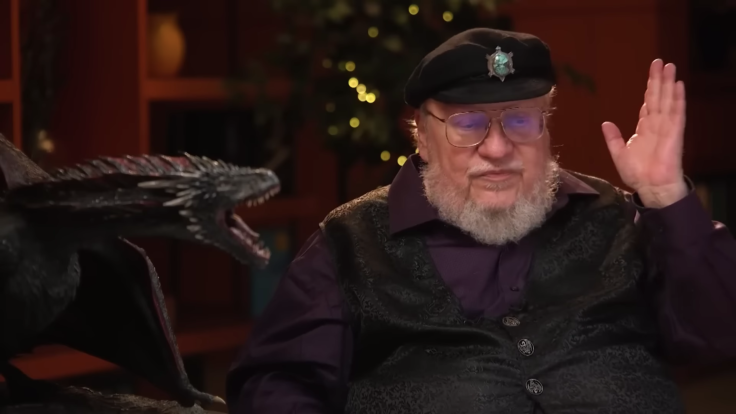
As the gap since the last instalment stretches toward fifteen years, the expectations of the fanbase continue to grow. Sanderson believes that for the genre to truly flourish, it must become the 'most imaginative genre' possible, moving beyond the restricted exploration caused by over-reliance on established tropes.
The danger is that by the time The Winds of Winter finally hits the shelves of British bookshops, the very tropes it relies upon may feel like relics of a bygone era. While Sanderson moves the genre forward with his unique Cosmere magic, Martin remains the last great defender of the old guard, desperately trying to finish a masterpiece that was started in a different literary world.
As the literary world enters its fourteenth year of waiting for George R.R. Martin's next masterpiece, the debate over the future of epic fantasy has never been more pointed. Whether The Winds of Winter can successfully dismantle the 'Tolkien trap' or remain a prisoner to the traditions of the past is the multi-million-pound question facing the industry.
As Sanderson and a new generation of writers push the boundaries of the Cosmere and beyond, Martin's struggle highlights the immense difficulty of concluding a saga that bridges two different eras of storytelling.
© Copyright IBTimes 2026. All rights reserved.