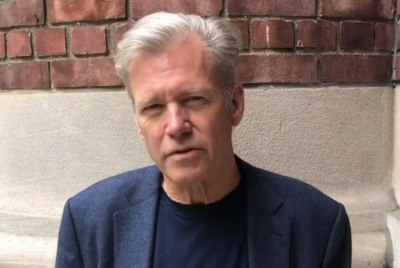
Zack Snyder Calls '300' One of the 'Gayest Movies Ever Made': 'Obviously I'm Pro-Gay'
The director revisited the 2007 film's controversial reception while discussing the divided response to his latest project, 'The Last Photograph'
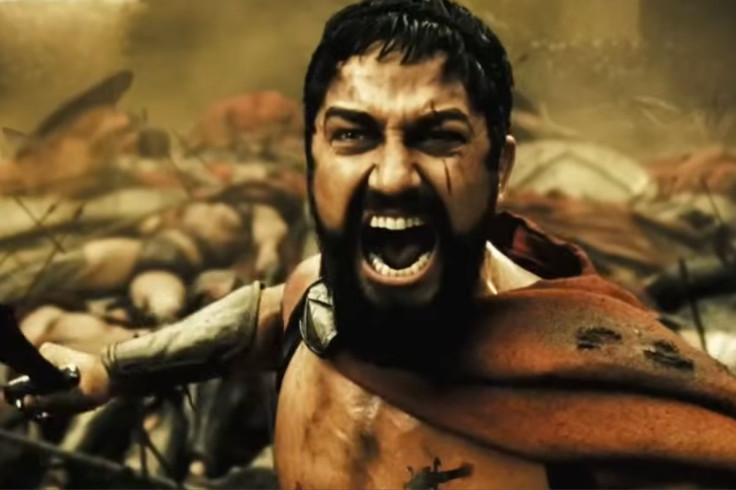
Zack Snyder has declared 300 one of the 'gayest movies ever made' while rejecting labels that have followed his films for years and making clear that he considers himself pro-gay.
The director made the comments in a new Variety interview following the world premiere of his latest film, The Last Photograph, at the Toronto International Film Festival.
Snyder discussed the highly charged reactions his work often generates, recalling the reception 300 received at the Berlin International Film Festival in 2007.
During a press conference, he said that one journalist challenged him over whether he was 'pro-gay' or supportive of the National Rifle Association. 'But obviously I'm pro-gay. I made the gayest movie ever made,' Snyder said.
Snyder Embraces '300's' Homoerotic Reputation
Asked whether he genuinely considered the Spartan epic the gayest film ever made, Snyder slightly qualified his claim. '300 is one of the gayest movies ever made,' he said.
The 2007 film, adapted from Frank Miller's graphic novel, follows King Leonidas, played by Gerard Butler, and 300 Spartan warriors as they battle the invading Persian army at Thermopylae. Its stylised depiction of muscular, barely clothed male warriors has long generated discussion about the film's homoerotic imagery.
Snyder has embraced that reading before. During a 2024 appearance on The Joe Rogan Experience, he similarly called 300 'one of the gayest movies ever made', describing it as 'male-centric' and 'male-obsessed' and saying its indulgence in the male form was 'not casual'.
Despite a divided critical response, 300 became a major commercial success, earning around $456 million worldwide on a reported $65 million budget.
Berlin Backlash Still Sticks With Snyder
Snyder brought up 300 while discussing accusations directed at his newest film, The Last Photograph.
The independent drama premiered at TIFF on 13 September after Snyder spent roughly two decades trying to make it.
Stuart Martin stars as a former DEA operative searching for his missing niece and nephew, alongside Fra Fee as a troubled war photographer.
Early reactions have been sharply divided, with some critics attacking the film's violence and themes while Snyder's supporters have defended his latest work.
Snyder said the response reminded him of 300, which some critics accused of promoting fascist imagery and which faced a hostile reception at a Berlin press screening.
Contemporary reports suggest the reception was more complicated than Snyder's recollection. An earlier press screening reportedly drew walkouts and boos, but the public world premiere later that day received repeated applause and a standing ovation.
Snyder Says Controversy Follows His Films
That divide has become familiar territory for Snyder, whose work on Watchmen, Man of Steel, Batman v Superman and Justice League has repeatedly produced fierce online arguments.
His latest interview shows he is well aware of that reputation, and increasingly willing to joke about it. The debate around 300 has endured partly because its imagery became inseparable from the film's cultural impact, with its exaggerated physiques, stylised violence and distinctive visual language repeatedly imitated, parodied and discussed long after its original release.
Nearly two decades after the film turned its army of digitally enhanced Spartans into pop-culture icons, Snyder is not distancing himself from one of the film's most enduring interpretations. Instead, he appears happy to claim it.
© Copyright IBTimes 2026. All rights reserved.
- Recommended For You