

Hollywood Keeps Failing Video Game Movies — But Elden Ring Could Finally Change That

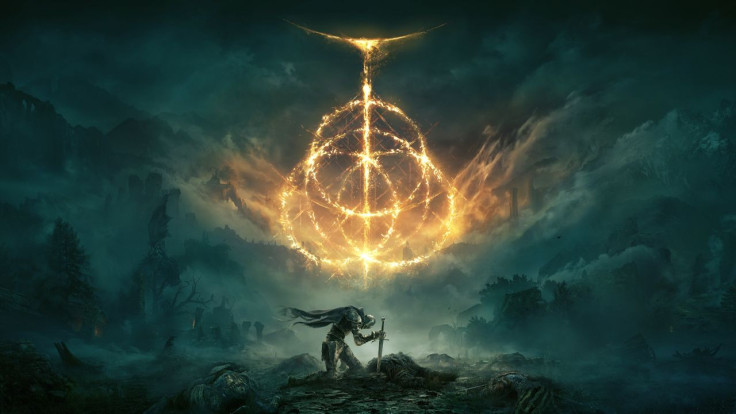
Set for 2028 release, A24 has announced that Elden Ring will star Kit Connor, Ben Whishaw, Cailee Spaeny, and more.
Following the commercial and critical success of projects like The Last of Us and The Super Mario Bros. Movie, expectations are high for whether Elden Ring can replicate that success while staying true to its dark fantasy roots.
Created by Hidetaka Miyazaki with worldbuilding contributions from Game of Thrones author George R. R. Martin, the award-winning action RPG is known for its cryptic storytelling, brutal combat, and vast open world. These qualities helped it sell millions and become one of modern gaming's most influential titles.
Adapting that experience into a mainstream film, however, presents a unique challenge for filmmakers.
Why Hollywood Keeps Getting Video Game Films Wrong
Video game adaptations have historically struggled to earn long-term critical respect in Hollywood, often falling into the trap of prioritising fan service over storytelling. However, the upcoming Elden Ring film arrives at a time when studios are beginning to treat gaming franchises as serious cinematic properties rather than niche entertainment, especially with The Legend of Zelda in development for a 2027 release.
Part of the issue has been tone and intent. Many earlier adaptations tried to 'translate' games too literally, stripping away what made the original experiences compelling in the first place.
Many video games feature complex narratives and rich lore developed over dozens of hours of gameplay. Translating these expansive worlds into a two-hour film often leads to oversimplification. At the same time, gameplay mechanics are difficult to adapt directly, pushing many films toward visual spectacle at the expense of narrative depth.
The Elements That Could Make Elden Ring Work
What makes Elden Ring particularly different is the structure of its worldbuilding. Unlike traditional fantasy stories that rely heavily on exposition and dialogue, the game tells much of its narrative through atmosphere, environmental detail, and fragmented lore.
This approach allows filmmakers to move away from overused fantasy storylines and embrace a more visual, immersive style of cinema.
The project also enters a market where audiences are increasingly drawn to darker and more ambitious fantasy settings. While franchises like Game of Thrones made complex fantasy worlds on television more popular, Elden Ring pushes even further.
If adapted successfully, the film could open the door for more experimental blockbuster storytelling in mainstream cinema.
Another major factor is the involvement of figures tied closely to the game's creative identity. The original title's mythology gives the adaptation a depth rarely associated with game-based films. Elden Ring has a rare opportunity to build a layered fantasy epic capable of appealing to both long-time fans and wider audiences.
Could Elden Ring Redefine the Future of Fantasy Films?
At a time when Hollywood continues searching for the next major fantasy franchise, the Elden Ring film may represent more than just another adaptation.
It could serve as a test case for whether video game worlds can stand alongside traditional franchises as the future of blockbuster cinema.
This might open the door to a new wave of live-action video game adaptations, especially for titles once considered too complex or unconventional for mainstream audiences.
Success could also reshape how filmmakers approach adaptations overall.
If Elden Ring demonstrates that expansive gaming worlds can translate into serious cinematic experiences, studios may become more willing to invest in darker, lore-heavy franchises that emphasize atmosphere and worldbuilding over traditional blockbuster formulas.
© Copyright IBTimes 2026. All rights reserved.