'Taxing the Rich' May Cost America More Than It Gains, Kevin O'Leary Argues
Cenk Uygur rejects relocation fears, emphasizing the importance of strengthening the middle class for economic growth
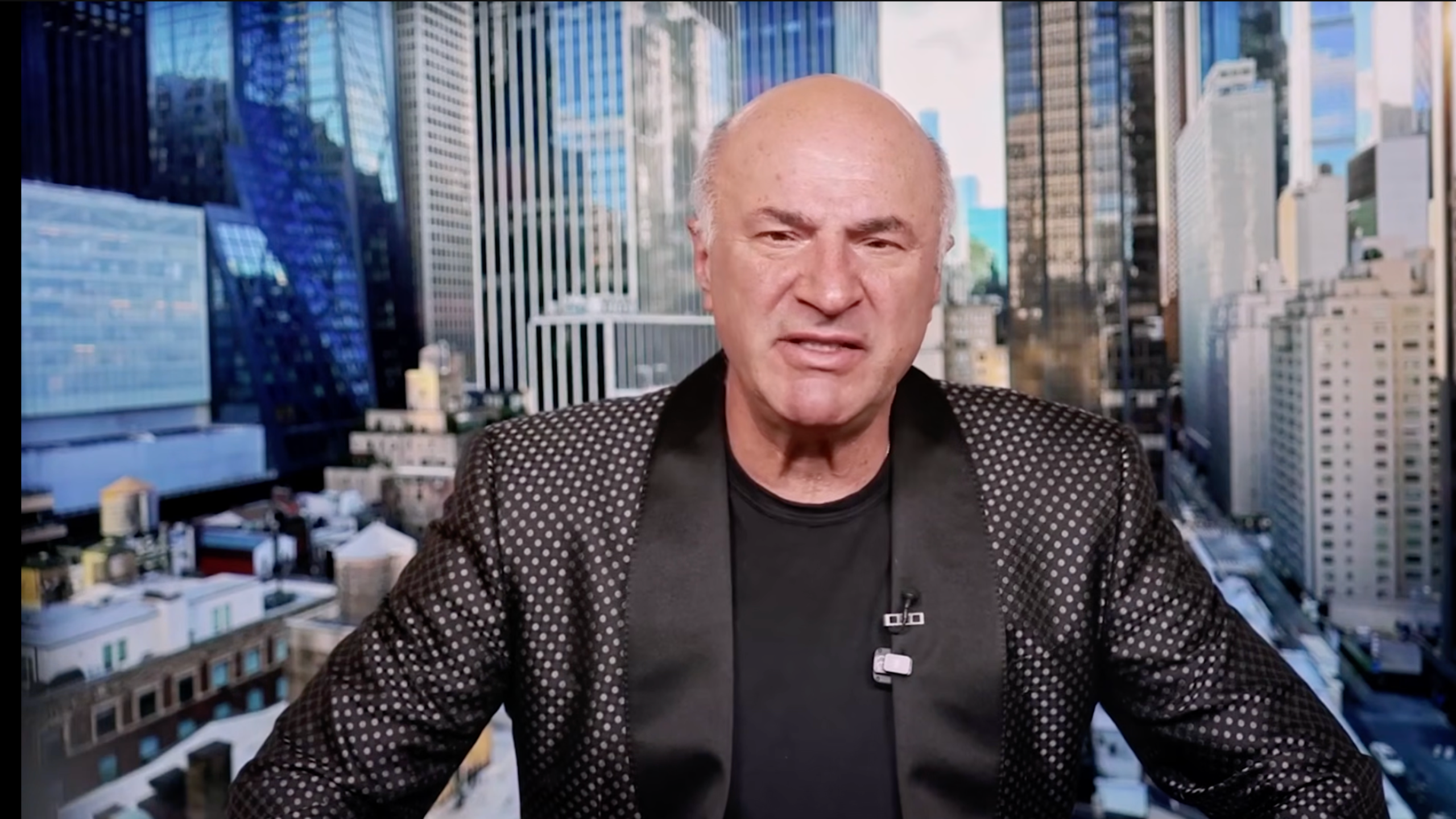
Shark Tank investor Kevin O'Leary has warned that taxing the wealthy too aggressively could shrink the revenue base governments are trying to expand, arguing that high earners and the businesses they fund leave when rates climb too high.
Speaking on the Diary of a CEO podcast, the O'Leary Ventures chairman made the case during a debate with The Young Turks co-founder Cenk Uygur, hosted by entrepreneur Steven Bartlett. The episode, billed as an emergency debate on the economy, was released on 28 May.
'The thing about socialism and communism is you run out of other people's money very quickly because they simply leave,' O'Leary said.
The remarks come as several US states and cities weigh new taxes on high earners.
Why O'Leary Says the Rich Will Move
O'Leary said the wealthy already pay most of the country's taxes. 'Most of the taxes in America are paid by the rich people. They pay their fair share now,' he told the podcast, before warning that pushing combined rates past 50% in states such as California, New York, New Jersey, and Massachusetts drives people out.
He pointed to lower-tax states as the alternative. Anyone refusing to hand over half their income can 'move to Austin, move to Tennessee, you move to Florida like everybody else is doing, and you'll pay 16%,' he said.
O'Leary described entrepreneurs as the group that funds everyone else. 'Only one-third of the population in America can be entrepreneurs, and they employ the other two-thirds,' he said, adding that '52 cents of every dollar' of the world's sovereign wealth flows to the US, which he attributed to the opportunities it offers.
What the Massachusetts Numbers Show
Massachusetts has become a reference point in that debate. In 2022, voters there approved a 4% surtax on income above $1 million (£750,000), a levy O'Leary branded a 'super tax'. He tied it to his own family. 'Why does everybody leave Massachusetts, including my son—because you can't raise any money there to start a company?' he said.
The data point both ways. The surtax raised more than $3.1 billion (£2.3 billion) this fiscal year, according to the state Department of Revenue, beating the roughly $2 billion (£1.5 billion) supporters had projected.
At the same time, IRS migration data show residents who left in 2023 took a net $4.2 billion (£3.2 billion) in adjusted gross income with them, one of the largest outflows of any state, with high earners accounting for about 70% of the loss.
The debate extends beyond Massachusetts. In New York, Mayor Zohran Mamdani has proposed raising the city's top income tax rate from 3.9% to 5.9% on income above $1 million, a plan that needs approval from state lawmakers in Albany.
Uygur Pushes Back on the Exodus Threat
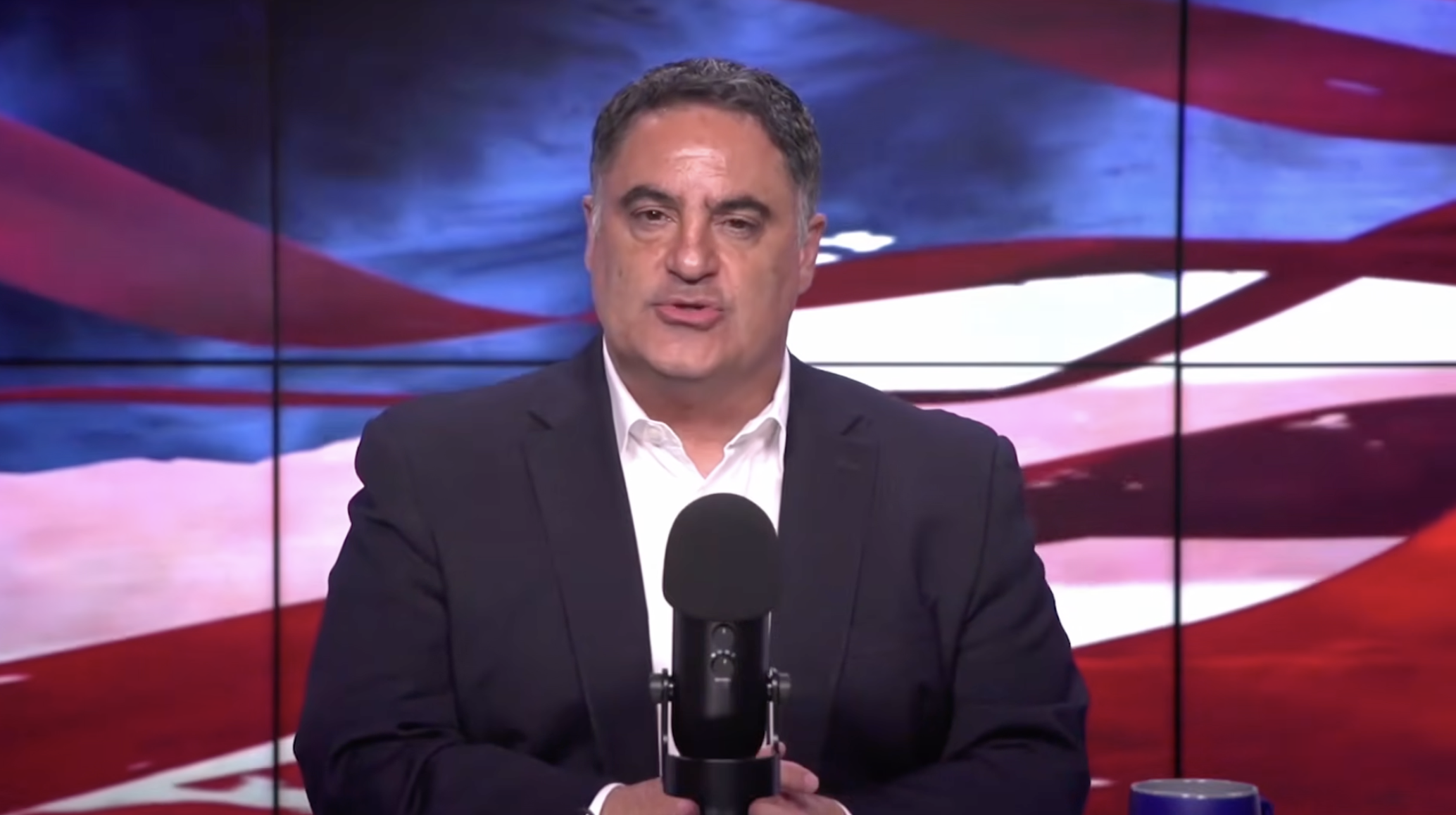
The Young Turks co-founder Cenk Uygur rejected the idea that the threat of relocation should set policy. 'Don't threaten me with a good time,' he said, arguing that protecting consumers mattered more. 'When you don't have any consumers, that's going to be your main problem. You have to protect the American middle class,' he said, describing that class as 'the goose that lays the golden eggs.'
He argued that money handed to the middle class circulates faster. 'If we give more advantages to the middle class, they immediately spend their money,' he said. The wealthy, by contrast, 'barely spend any of it.'
The idea of “taxing the rich” may sound simple, but the reality is more complicated. In my view, when tax rates become too punitive, high earners, entrepreneurs, and investors often have the ability to relocate their capital and sometimes themselves to places with more… pic.twitter.com/SCtAC4e0JH
— Kevin O'Leary aka Mr. Wonderful (@kevinolearytv) June 17, 2026
The exchange comes amid shifting public attitudes toward capitalism. Gallup found that 54% of Americans now view capitalism positively, the lowest in 15 years of polling, while 66% of Democrats hold a favourable view of socialism.
O'Leary did not shift his position. 'They're all socialists, all of them, until they get their first paycheck,' he said of the students he teaches. 'Then they become capitalists when they see something called tax.' O'Leary later shared clips from the exchange with his followers on X.
© Copyright IBTimes 2025. All rights reserved.
- Recommended For You