Elon Musk Shock: Democrat Claims Trillionaire Is 'Scared' To Face Subsidy Questions
A renewed debate over government support for Musk's companies sparks political scrutiny.
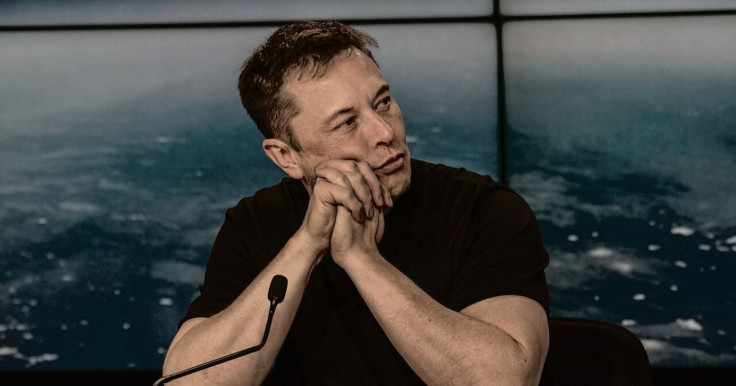
Sen. Ed Markey has accused Elon Musk of avoiding a deeper debate over government support for Tesla and SpaceX after the billionaire argued that federal incentives account for less than 2% of the companies' combined value.
The exchange has reignited a long-running dispute over subsidies, tax credits and government contracts, placing Musk's business empire back under political scrutiny.
"We do useful essential work for the government that we compete for & win contracts because our product is much better & costs less. That's why we get government contracts”
— DogeDesigner (@cb_doge) June 14, 2026
Total value of all govt incentives received by Tesla and SpaceX is less than 2% of their combined value. pic.twitter.com/fHEPqViyDg
The argument goes beyond a single post on X. At its core is a broader question over whether Musk's companies were built primarily through private innovation or benefited significantly from years of public support, at a time when Tesla is trying to prove it can maintain demand after the federal electric vehicle credit ended.
Markey Revives Subsidy Fight
Markey reignited the debate by resurfacing an old Truth Social post from President Donald Trump, in which Trump claimed Musk had received more government support than 'any human being in history' and suggested Tesla would struggle without federal assistance.
'For all those wondering why Elon is scared of this conversation,' Markey wrote in response.
For all those wondering why Elon is scared of this conversation. https://t.co/gLT2LOUzjq pic.twitter.com/gE6zTtPxCj
— Ed Markey (@EdMarkey) June 14, 2026
The comment was aimed not only at Musk's financial claims but also at the complicated political relationship between the Tesla chief and Trump. The president has previously criticised Musk over subsidies, despite later becoming closely aligned with him on several political issues.
That history gives Markey's criticism added weight. Musk's opponents argue that Trump's own previous comments highlight a contradiction in Musk's current defence, while supporters say the billionaire's companies have grown beyond any early government assistance.
Musk Defends Tesla's Independence
Musk responded by arguing that the combined value of Tesla and SpaceX far exceeds the government support they have received. He said federal incentives represent less than 2% of the companies' value and claimed many government programmes benefited competitors more than his own businesses.
He also pointed to Tesla's performance after the $7,500 (£5,591.62) federal EV credit expired in September 2025. Musk argued that sales increased after the subsidy ended because consumers shifted away from other electric vehicle manufacturers and towards Tesla.
That argument is central to Musk's defence. If Tesla can continue selling vehicles without direct consumer incentives, he can claim the company's success is now driven by brand strength, technology and demand rather than government support.
However, critics argue that a company can remain successful after subsidies disappear while still having benefited substantially from earlier government assistance.
Sales Tell A More Complex Story
Recent market data gives both sides room to make their case.
According to Cox Automotive data, US electric vehicle sales remained resilient after the federal credit ended, with the market expected to reach around 85,000 units in May. The average EV transaction price also declined year over year, suggesting demand has not disappeared despite the loss of the incentive.
Tesla remains one of the dominant players in the sector, strengthening Musk's argument that the company has developed significant independent market power.
But the wider subsidy debate is not only about whether Tesla can survive today. It also concerns the role government support played during the company's growth, including tax incentives, regulatory credits, research support and government contracts linked to SpaceX.
The two issues are often treated as the same argument, but they are not identical.
Bigger Political Battle
The dispute between Markey and Musk has become a proxy fight over government influence, corporate success and political power.
Musk wants the conversation focused on performance, innovation and the scale his companies have achieved. His critics want attention placed on the public systems that helped create the environment in which those companies expanded.
Trump's previous criticism has now been pulled back into the centre of that debate, creating an awkward position for Musk because the argument against him partly comes from one of his former political allies.
The episode also reflects a broader shift in how Musk's companies are viewed. Tesla is no longer simply an electric car manufacturer, while SpaceX has become a major player in the US space programme, with both businesses operating at the intersection of private enterprise and government partnership.
For now, the subsidy dispute remains unresolved. Musk's supporters point to Tesla's continued strength after incentives ended, while critics argue that past government assistance remains an important part of the company's story.
The fight is no longer just about money. It is about how success is measured, who gets credit for it and how much public support should matter when private companies become some of the most powerful organisations in the world.
© Copyright IBTimes 2026. All rights reserved.
- Recommended For You