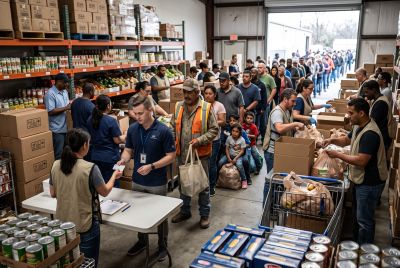
Half of Americans Fall Into 'Conflicted Middle', Feeling Broke Despite Good Incomes
Rising grocery prices and thin savings are increasing financial strain for many Americans
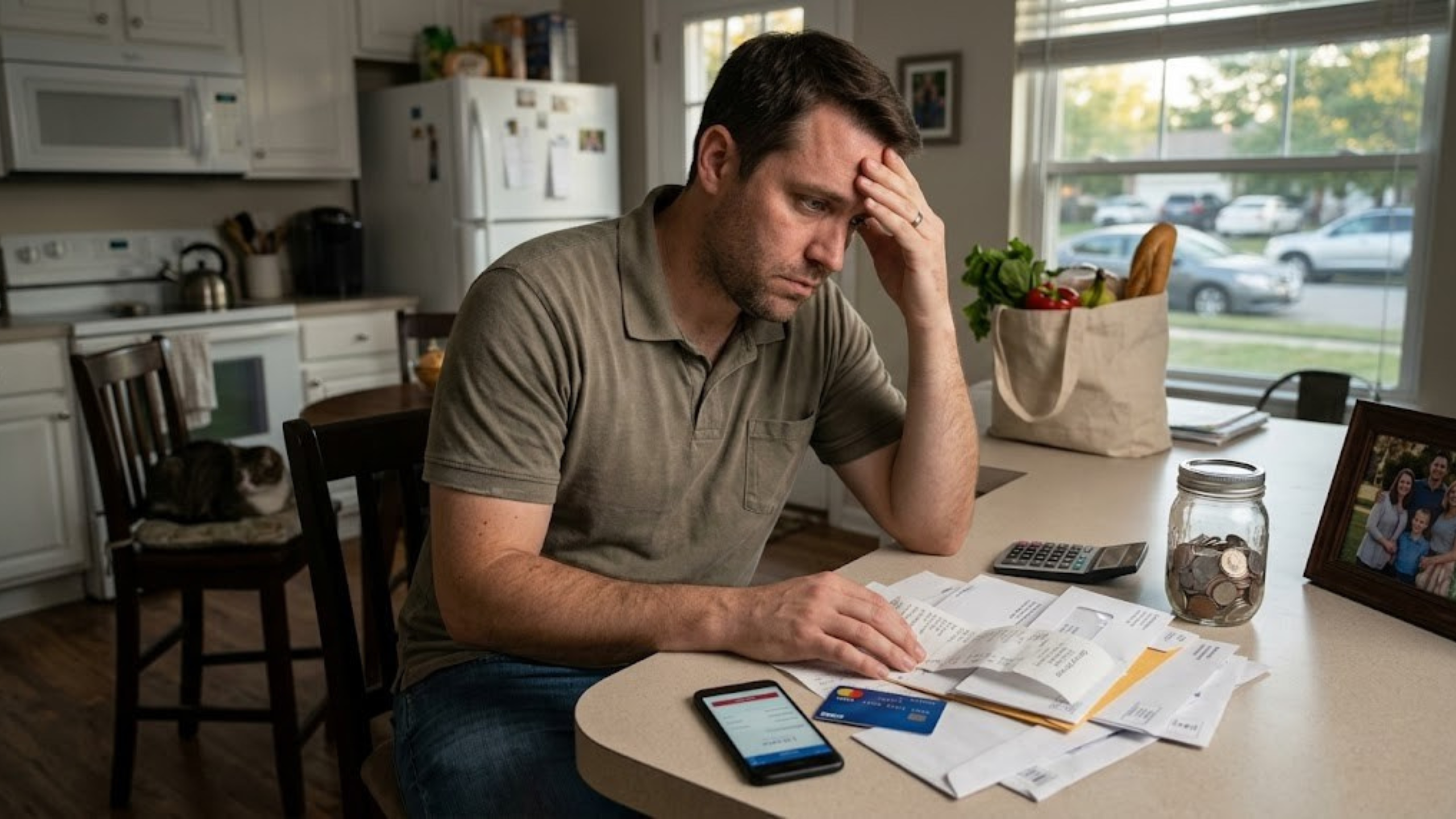
Nicholas Wallace ticks the boxes that used to add up to a comfortable life. A full-time job, health insurance, a retirement account, and a household income of about $90,000 (£67,200) in Madison, Wisconsin. On paper, the 34-year-old plastics manufacturer is fine. The bank balance and the anxiety do not match.
His usual beef order, bought from a local farm and frozen for later, recently rose in price by nearly $400 (£300), so the couple cancelled it. To bring in extra cash, Wallace took a second job answering phones at a veterinary clinic.
'We're, like, "Oh, my God, what if we have an emergency?"' Wallace told The Wall Street Journal. 'Are we going to be able to stand up from that?'
He is not an unusual case. The research that produced the label places people like him in the largest financial group in the country.
A study from Edward Jones and Gallup sorts American adults into three groups by how secure they feel rather than what they earn. Just 16% qualify as financially fulfilled. Around 32% are financially stressed. The biggest share, 51%, sit in what the study calls the 'conflicted middle': not in crisis, but not confident either.
In all, 83% of adults, roughly 216 million people, report financial stress, strain or uncertainty. The findings draw on a nationally representative survey of 5,075 adults aged 21 and over, fielded between 20 March and 6 April 2026.
What the 'Conflicted Middle' Actually Looks Like
'Financial stress isn't limited to people in crisis,' said Penny Pennington, managing partner at Edward Jones. 'It's affecting millions who appear stable but don't feel secure or fulfilled.'
The numbers behind that gap are stark. Among the conflicted middle, 18% say their finances often or always control their lives, against 2% of the fulfilled and 52% of the stressed. Just 43% rate their mental health as very good or excellent, compared with 74% of fulfilled adults. Higher income improves the odds of fulfilment but does not guarantee it, and every income band contains all three groups.
Jon Clifton, chief executive of Gallup, said the strain now reaches beyond bank statements. 'Half of American adults sit in a financial middle ground: not in crisis, but not secure,' he said, adding that for the fifth year running, more Americans say their finances are getting worse rather than better.
For many, fulfilment has little to do with luxury. Asked what money does that brings them joy, one 31-year-old respondent pointed to 'family outings, whether that be just to get some ice cream or a full vacation.'
When a Good Income No Longer Means Security
The squeeze shows up first at the supermarket. Grocery prices are up roughly 28% since the end of 2019, with beef among the steepest risers as low cattle inventory tightens supply. That is the pressure that pushed Wallace away from his usual farm order.
Thin savings make any shock harder to absorb. About 67% of employed Americans now live from one pay packet to the next, up from 63% a year earlier, according to PNC Bank's 2025 workplace financial wellness report. Debt compounds the problem.
The average American carried $6,715 (£5,010) in credit card balances at the end of 2025, TransUnion figures show, with interest rates on accounts that carry a balance running above 21%.
The study's authors found one consistent marker among those who had moved towards security: most had budgeted, saved, and cut debt, and many had sought professional advice. Even so, the largest group remains stuck between the two states, earning enough to get by and too little to feel safe.
For Wallace, a full-time job and a second one at the veterinary clinic have still not closed the distance between earning enough and feeling secure.
© Copyright IBTimes 2026. All rights reserved.
- Recommended For You