Veterans Could Pay More to Refinance Homes Under New VA Bill: Critics Call It a 'Tax on Military Benefits'
Proposed legislation could significantly raise costs for veterans refinancing their VA loans, sparking debate over funding methods
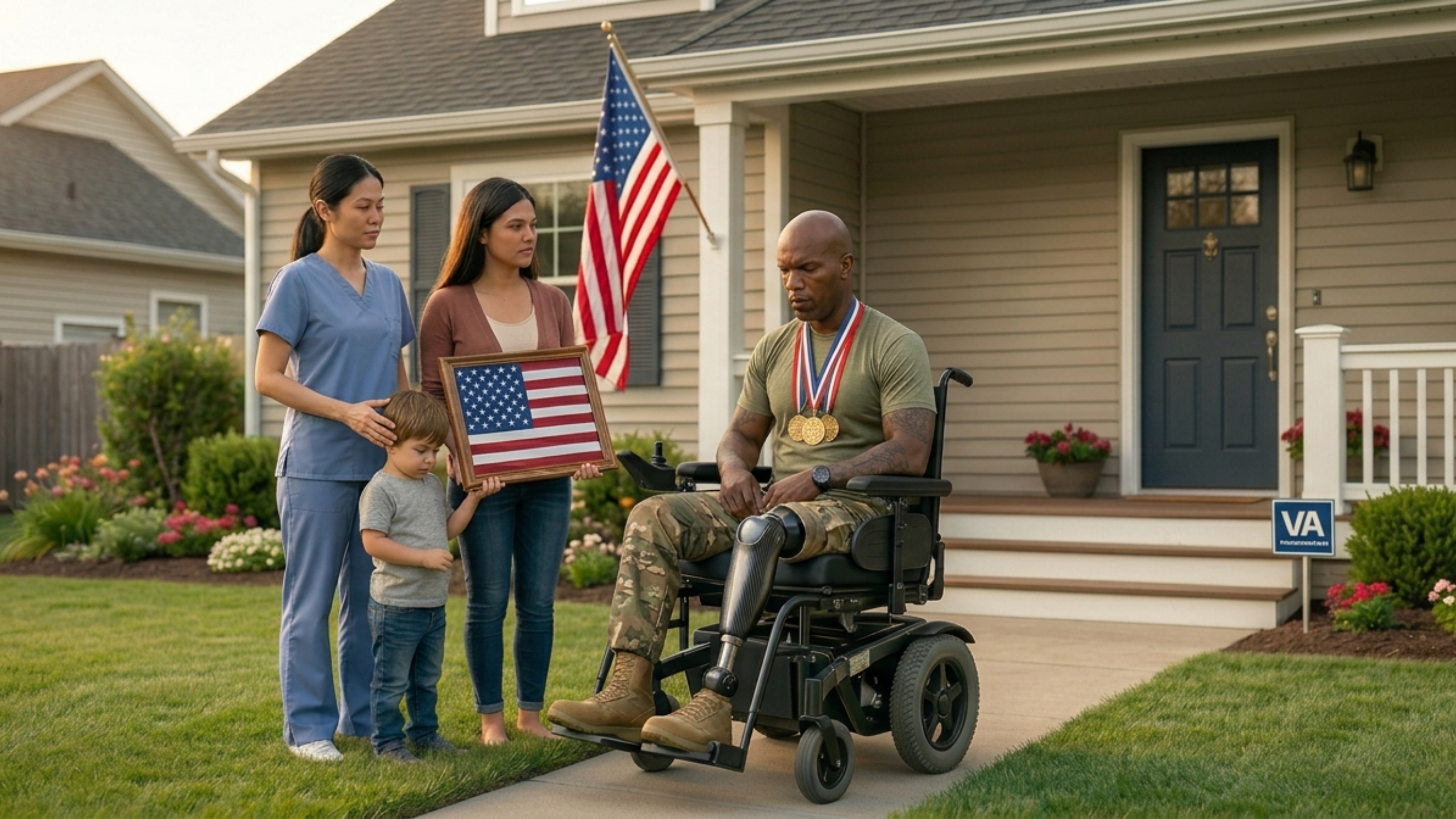
Veterans who use a popular government programme to cut their mortgage payments could soon pay thousands of dollars more for it, under a benefits bill in Congress that opponents have branded a tax on veterans.
The measure would nearly triple the upfront funding fee charged on a VA Interest Rate Reduction Refinance Loan, the streamlined product borrowers know as an IRRRL. The fee would rise from 0.5% to 1.42% of the loan amount, Stars and Stripes reported.
The cost adds up fast. On a $325,000 (£243,750) home, the current 0.5% fee comes to $1,625 (£1,219), according to Veterans United Home Loans. At 1.42%, the same borrower would pay $4,615 (£3,461). Most veterans roll the fee into the loan instead of paying it upfront, so it accrues interest over time.
Common Defense, a progressive veterans' group, estimates the change could cost the average veteran more than $8,000 (£6,000) over the life of a loan.
An IRRRL is a VA-to-VA refinance, open only to veterans who already hold a VA-backed mortgage, and it swaps them into a lower rate with little paperwork. Veterans who receive VA disability compensation would stay exempt from the higher fee, which falls only on those who choose to refinance.
Refinancing has surged recently. IRRRL volume more than doubled in fiscal 2025 to 119,459 loans, up from 50,826 a year earlier, after Federal Reserve rate cuts, according to Veterans United Home Loans.
Why the VA Home Loan Fee Would Rise
The extra money is meant for the most gravely wounded. The Sharri Briley and Eric Edmundson Veterans Benefits Expansion Act would add about $10,000 (£7,500) per year, paid at $833.33 (£625) per month, in Special Monthly Compensation for more than 7,000 veterans with catastrophic injuries such as limb loss and traumatic brain injury.
Survivors would gain too. The bill raises Dependency and Indemnity Compensation by 1.5% over two years for relatives of those killed in the line of duty, covering more than half a million Gold Star families. It also opens VA home loan eligibility to many National Guard and Reserve members who fall short of current service rules.
The bill is named for Sharri Briley, widow of Army Black Hawk pilot Donovan 'Bull' Briley, shot down in the 1993 Battle of Mogadishu, and for Eric Edmundson, a former Army sergeant left unable to walk or speak after a 2005 roadside bomb in Iraq. Representative Tom Barrett, an Iraq War veteran, introduced it in late 2025.
The Backlash Over Taxing Veterans
The standalone version cleared the House in May by 235 votes to 179, Newsweek reported, with more than 175 Democrats against and only three Republicans opposed. It has since been folded into the Take Care of America's Veterans Act, a 60-bill, 550-page package now on the Senate calendar, cleared to skip committee and go to a floor vote. A separate loan assumption fee would also rise from 0.5% to 1%.
For critics, the problem is not the benefits but who pays for them. Representative Mark Takano of California, the senior Democrat on the House Veterans' Affairs Committee, said his party could not back the measure 'because Republicans chose to fund the bill by taxing American veterans,' arguing the nation should carry the cost, not other former service members.
Naveed Shah, political director of the progressive group Common Defense, said making refinancing pricier for 'financially strained veterans does real harm to military families.' Senator Richard Blumenthal of Connecticut said the funding plan would have a 'staggeringly negative impact on future veterans.' The American Federation of Government Employees has urged Congress to drop the wider package, citing provisions it says would cut at least $60 billion (£45 billion) from veterans' benefits over a decade.
Backers see it differently. The Veterans of Foreign Wars, the American Legion, and the Wounded Warrior Project support the expansion, and committee chairmen Mike Bost and Jerry Moran call it long overdue. Some veterans agree. James Nelson, a 72-year-old Navy submarine veteran from Michigan weighing an IRRRL of his own, said he does not mind a higher fee 'as long as it's not for administrative nonsense,' calling help for the most disabled veterans 'a good use of the money.'
With the increase still waiting on the Senate, some veterans are weighing whether to lock in a streamlined refinance before the fee climbs.
© Copyright IBTimes 2026. All rights reserved.
- Recommended For You